Gaya Tombs, a UNESCO World Heritage Site– The Gaya Tombs, a World Heritage Site –
The Gaya Tombs, registered as a UNESCO World Heritage Site in 2023, are a collection of seven ancient tombs remaining in southern Korea, including the Daeseong-dong Tombs in Gimhae. This exhibition introduces the history, culture, and ironworking exchange of the ancient Gaya.
Tracing the history of Gaya, which flourished in the southern part of the ancient Korean Peninsula.
In the hills of southern Korea, a unique landscape unfolds, dotted with burial mounds of varying sizes. These are the "Gaya Tumuli," which tell the history of Gaya, an ancient power that flourished from the 1st century to the mid-6th century.
In 2023, seven ancient tombs spanning Gyeongsangnam-do, Gyeongsangbuk-do, and Jeollabuk Special Self-Governing Province were registered as a UNESCO World Heritage Site. This is a "sequential World Heritage Site," which recognizes the cultural value of archaeological sites scattered across multiple regions.
Value as a world heritage site
Gaya was not a single, centralized state like Silla or Baekje. It is believed that multiple political forces maintained their independence while forming a cultural sphere that shared commonalities in areas such as iron production, trade, and funeral customs.
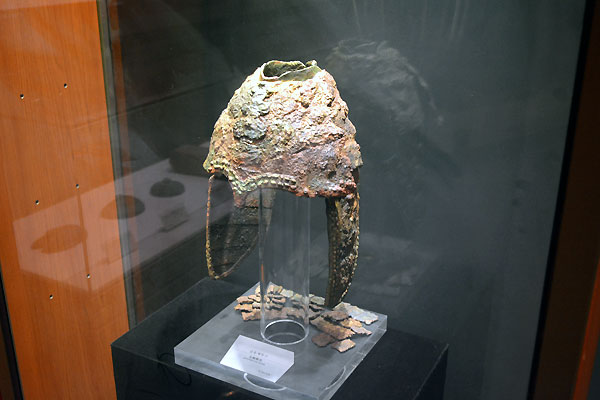
The large burial mounds remaining throughout the country convey the true picture of this period. By examining the size and arrangement of these mounds, the burial methods, and the grave goods, we can understand the political system, social structure, and interactions with surrounding regions of the time. Excavated artifacts such as iron weapons and ornaments indicate that Gaya was actively connected to surrounding regions through iron production and trade.
The value of the Gaya Tombs lies not only in the size and number of burial mounds, but also in the fact that while different political forces developed in various regions, they formed a common culture through technology, trade, and funerary customs. UNESCO recognizes this political dispersion and cultural connection as important evidence of the diverse social structures of ancient East Asia.
The seven burial mounds that make up the World Heritage Site
The Gaya Tumuli consist of the following seven tumuli groups:
Burial mounds
Address
Daeseongdong Tomb Group
Gimhae (김해)
Sueyama Tumulus Cluster
Haman (함안)
Gyodong and Songhyeondong Tumuli
Changnyeong (창녕)
Songhak-dong Tomb Group
Goseong (고성)
Tamada Tomb Group
Hapcheon
Ikeyama-dong Tumulus Cluster
Goryeong (고령)
Yanagi-gok-ri and Doorak-ri Tumuli
Namwon (남원)
All of these tombs were built on hillsides close to the centers of political power at the time. While the size and appearance of the burial mounds vary by region, commonalities can be found in the structure of the tombs and the pottery used. These commonalities and regional differences provide insight into the diverse society of Gaya.
Highlights of each burial mound group
Gimhae / Daeseong-dong Tumulus Group
One of the component sites easily accessible from Busan is the Daeseong-dong Tombs in Gimhae City. Gimhae was one of the centers of the ancient Gaya kingdom, and the tombs are distributed on hills close to the city center.
Artifacts indicating iron age culture and foreign exchange have been unearthed, making it an important site for understanding the history of Gaya. Visiting it along with other Gaya-related historical sites and museums in Gimhae city allows you to learn not only about the burial mound's appearance but also about the unearthed artifacts and historical background.
Goryeong-Jishan- dong Tumulus Group
At the Jisan-dong Tumuli in Goryeong County, Gyeongsangbuk-do, you can enjoy a magnificent landscape of large burial mounds spread across a wide hillside.
Nearby are the Daegaya Museum and the Daegaya Royal Tombs Exhibition Hall, where you can systematically learn about the structure of the tombs, the unearthed artifacts, and the history of Daegaya. The materials discovered in the tombs, including Tomb No. 44, are invaluable for understanding the burial culture of that time.
Haman / Sueisan Tumulus Group
The Mae-i-san Tumuli in Haman are characterized by a landscape where burial mounds are lined up along the ridge of a hill. Located in the center of the ancient Aragaya (아라가야), the unearthed artifacts provide insights into the society and culture of that time.
Changnyeong/Gyodong / Songhyeondong tombs
The Gyodong and Songhyeondong tombs in Changnyeong are a place where you can experience the history of Gaya alongside the natural beauty of the Hwawangsan Mountain area. Visiting them in conjunction with nearby museums will allow you to gain a deeper understanding of the local history behind the tombs.
Goseong- Songhak - dong tombs
The Songhak-dong Tumuli in Goseong are a group of burial mounds built on a hill. This region was a center of development for the Sogaya kingdom, which engaged in exchanges with surrounding powers. Excavated artifacts offer insights into the cultural connections of that time.
Hapcheon / Okjeon Burial Mounds / 합천
The Okjeon Tumuli, located in the hilly area of the Hwanggang River basin, have yielded a variety of burial goods, including iron artifacts and ornaments. It is an important site for understanding the iron culture of Gaya and its trade with surrounding regions.
Namwon/Yugok-ri/Doonak - ri tombs/
The Yugok-ri and Durank-ri tombs in Namwon, Jeollabuk Special Self-Governing Province, demonstrate that the Gaya culture extended as far southwest as the Korean Peninsula. This region is also important for understanding interactions with neighboring powers such as Baekje.
If you're coming from Busan, head to Gimhae.
If you're combining it with a trip to Busan, I recommend starting with the Daeseong-dong Tombs in Gimhae. It's relatively easy to get to from Busan, and by visiting the tombs along with the museums and related historical sites in the city, you can efficiently learn about the history of Gaya.
If you have extra time, you can also visit other component sites, such as the Jisan-dong Tumuli in Goryeong. Since the tumuli are spread out in different areas, it is important to check travel times and public transportation schedules in advance if you plan to visit multiple sites.
"Gaya Family Names - Swords and Strings" is an exhibition that tells you everything about Gaya, the land of iron.Gaya Family Name - Sword and StringGaya Family Name - Sword and StringGaya Family Name - Sword and String
Gaya exhibition held at Busan Museum
Summary
The Gaya Tombs are a World Heritage Site that conveys the society, politics, iron age culture, and trade of Gaya, a kingdom that flourished in the southern part of the Korean Peninsula approximately 1,500 years ago.
Although the seven burial mounds are located in different regions, they are connected by common cultural characteristics. Visiting these burial mounds on the hillsides allows you to glimpse the ancient society that was formed through the interaction of multiple political forces.
When you visit Busan, why not extend your trip to the Daeseong-dong Tombs in Gimhae and experience the charm of ancient Korean history, which is quite different from city sightseeing?