
Busan's Gupo Japanese Fortress (구포왜성) | A mountain fortress site exploring the history of the Imjin War
Gupo Waeseong (Gupo Japanese Castle), located in Gupo-dong, Buk-gu, Busan, is one of the Japanese castles built during the Imjin War (Japanese invasions of Korea).
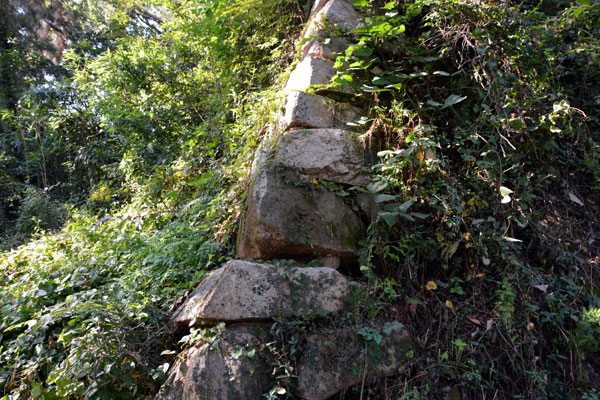
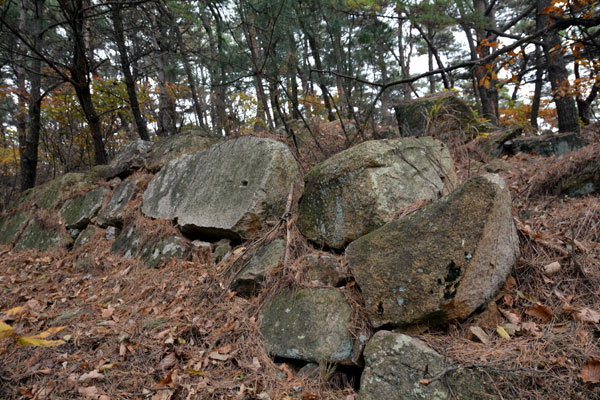
While it's not a large-scale tourist attraction, the stone walls and remnants of the castle remaining on the mountainside offer insights into the construction methods of the time and the reasons why this area was considered important.
What is Gupo Waeseong?
Gupo Waeseong is believed to be one of the fortresses built by the Japanese army in the southern part of the Korean Peninsula during the Imjin War, which began in 1592.
At that time, Japanese castles served as military bases for purposes such as stationing troops, storing supplies, monitoring surrounding areas, and securing maritime and land transportation. Unlike the coastal areas of Busan, Gupo Waeseong is thought to have played a role in controlling an inland transportation hub near the lower reaches of the Nakdong River.
The castle is believed to have been built by a Japanese army unit accompanying Toyotomi Hideyoshi's invasion of Korea. However, since the names of the generals and specific units responsible vary depending on the source, caution is needed when trying to identify a specific person.
Why was it built in Kameura?
The Gupo region is located near the lower reaches of the Nakdong River, and was a place where water transportation using the river intersected with land transportation heading inland from the area around Geumjeongsan Mountain.
The Nakdong River was an important waterway connecting western Busan to Gimhae, and it was a region that could be used for transporting troops, food, and weapons. Therefore, it is thought that establishing bases on the surrounding highlands was important for monitoring riverside movements and inland traffic.
While not every spot on the castle ruins offers a view of the Nakdong River, the location of the mountains and the surrounding topography allow us to imagine its relationship to the transportation network of the time.
Characteristics of stone walls and Japanese castles
The main attractions of Gupo Waseong are the stone walls and remnants of the castle that remain along the mountain slopes.
In Japanese castles, a common feature is the use of mountain slopes and ridges, with multiple baileys and defensive lines arranged in stages. The combination of stone walls and winding passages was designed to prevent enemies from entering the castle in one go.
At Gupo Fortress, the entire fortress is not preserved in its complete form. There are places where the stone walls are not continuous, and parts that are covered with trees and soil. However, by observing the remaining structures and topography, it is clear that a natural mountain was modified for military purposes.
When visiting, pay attention not only to the stone walls, but also to the elevation differences of the slopes and the direction of the paths. The current paths may not necessarily match the original pathways, but they can provide clues to imagining the layout and defensive lines of the castle.
Among the Japanese castles remaining in Busan
During the Imjin War, several Japanese castles were built in and around Busan. Castles near the coast and ports were important for landing points and maritime supplies, while castles inland were responsible for transportation routes and monitoring surrounding areas.
Gupo Waeseong is unique among Busan's Japanese castles due to its location in the mountainous area near the lower reaches of the Nakdong River. Visiting it along with Dongnae Waeseong and Gijang Waeseong allows one to consider how the Japanese army intended to utilize the area around Busan as a military network.


Access and travel time
Gupo Waeseong is not a tourist attraction located right in front of a train station or bus stop. You will need to get off public transport, travel to the trailhead, and then hike up a mountain path.
When using a map app, don't just search for "Gupo Waseong"; check the actual access points that you can reach on foot or by car. The following stations are convenient transportation hubs:
- Busan Metro Line 2 & 3, Deokcheon Station (덕천역)
- Busan Metro Line 2, Gumyeong Station (구명역)
- Busan Metro Line 2, Guinam Station (구남역)
- KORAIL Busan Metro Gupo Station (구포역)
The most convenient way to get there from the station is to take a city bus or taxi to near the trailhead and then walk from there. There are also routes that involve changing buses at Gupo Market (구포시장), Gupo Station, or Deokcheon Station, but the nearest bus stop will vary depending on the trailhead.
If you're taking a taxi, it's best to tell the driver your destination in Korean, "구포왜성" (Gupo Waseong), and show them the location on a map. However, keep in mind that taxis may not be able to go all the way to the entrance, so be sure to check the walking time after getting out of the car.
The time required will vary depending on the route and the area you explore, but it will take approximately 1 to 2 hours, including travel time from the station/bus stop and sightseeing around the castle ruins.
Points to note when visiting
- Because the trails are mountainous and sloped, wear comfortable, non-slip shoes.
- Be careful after rain or during winter, as the rocky and dirt paths can be slippery.
- In summer, take precautions against the sun and insects; in winter, take precautions against the cold.
- Prepare drinking water in advance.
- Avoid climbing on stone walls, moving stones, and entering restricted areas.
- Avoid visiting during bad weather or after sunset.
- Check your return transportation options, such as buses or taxis, in advance.
- Check for any preservation work or access restrictions before you depart.
Since it's not a tourist facility with paved roads, indoor exhibits, or shops, it's recommended to visit as part of a historical site tour that includes hiking in the mountains.
Recommended for travelers like this
Points to note when visiting
- Those interested in the relationship between Toyotomi Hideyoshi's invasion of Korea and Japanese castles (Wajo)
- For those who want to learn about the history of Busan and the Imjin War (Japanese invasions of Korea).
- For those who want to visit a quiet place different from famous tourist spots
- For those who want to walk while looking at stone walls and castle ruins
- Those interested in the geography of the lower reaches of the Nakdong River and the Gupo region.
- For those who want to tour historical sites around Busan with a focus on Japanese castles.
- For those who want to enjoy walks, including mountain hikes.
Visiting Busan's "other history"
Gupo Waeseong is a historical site where you can learn about the remains of a Japanese castle built by the Japanese army during the Imjin War, as well as the geography of the Gupo region near the lower reaches of the Nakdong River.
Unlike Haeundae, Gwangalli, Gamcheon Culture Village, and Nampo-dong, its charm lies in being able to feel Busan's history while walking along quiet mountain paths.
If you walk while paying attention not only to the stone walls, but also to the mountain slopes, the direction of the pathways, and the surrounding topography, you can more concretely imagine the background in which Gupo Waeseong was built.
Basic Information about Gupo Japanese Castle
| Item | Message |
| Korean | 구포왜성 |
| Japanese | Gupo Waeseong (Gupo Japanese Castle) |
| Address | Gupo-dong, Buk-gu, Busan |
| Construction period | During the Imjin War (after 1592) |
| Fortress builder | It is believed to have been built by Japanese troops during Toyotomi Hideyoshi's invasion of Korea. The specific individuals and unit names vary depending on the source. |
| Historical role | It is believed to be one of the military bases that monitors traffic and terrain in the lower reaches of the Nakdong River and around Gupo. |
| Highlights | Stone walls, castle ruins, mountainous landscape, and geographical relationship with the lower reaches of the Nakdong River. |
| Transportation hub | Deokcheon Station (덕천역), Gumyeong Station (구명역), Guinam Station (구남역), Gupo Station (구포역) |
| Access | Take a city bus or taxi from the station or bus stop, then walk from the entrance. |
| Acitivity Time | The time varies depending on the route, but it's roughly 1 to 2 hours. |
| Recommended | Historical sightseeing, tours of Japanese castles, historical site visits, and hiking in the mountains. |
*Please note that information regarding the castle's builder, construction year, and specific role may vary depending on the source. Transportation routes, bus stops, walking routes, entrances, and the status of preservation work may also change, so please check official sources and map apps for the latest information before you depart.




Comment: