
East Sea area– Category –
The east coast of Gyeongju is an area where you can enjoy the history of the Silla Kingdom and beautiful seascapes. You can visit historical sites such as the underwater tomb of King Munmu, the site of Gam-eunsa Temple, and Golgutsa Temple, and savor fresh seafood dishes at Ganpo Port. It is a region where you can fully enjoy historical exploration and a seaside trip.
-
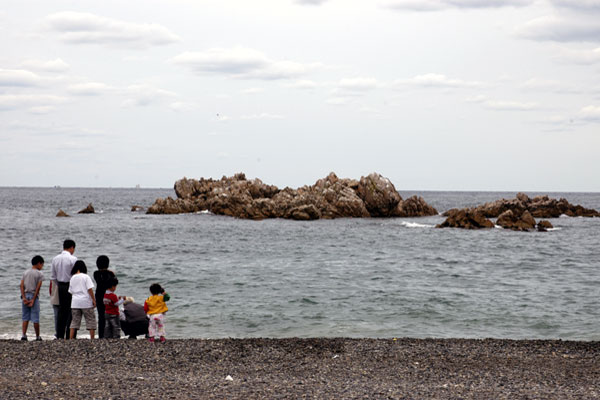
Gyeongju - King Munmu's Tomb (Sea Tombs)
The Tomb of King Munmu in Gyeongju is an underwater royal tomb of the Silla king located in the East Sea. We will introduce the history of King Munmu, who achieved the unification of the Three Kingdoms, the legend of him protecting the country as a dragon, and nearby attractions such as the site of Gam-eunsa Temple and Imi-dae Pavilion. -
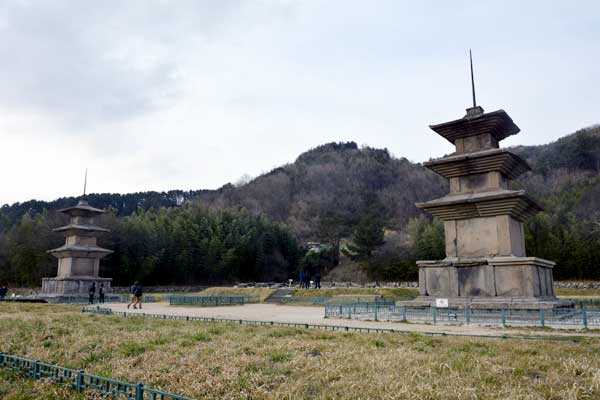
Gyeongju, Gam-eunsa Temple Site
The Gam-eunsa Temple Site in Gyeongju is the remains of a national temple built during the Unified Silla period. We will introduce historical spots on the east coast, including the national treasure East and West three-story stone pagodas, legends of King Munmu, and the nearby King Munmu's tomb and Imi-dae Pavilion. -
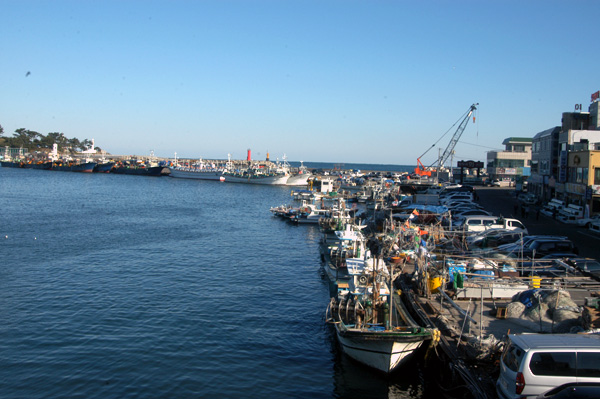
Gyeongju Gampo Port
Gampo Port on the east coast, about an hour outside of Gyeongju city, has long been a popular destination on the east coast, where locals come to enjoy fresh sashimi, puffer fish dishes, and steamed Korean blue crab. -
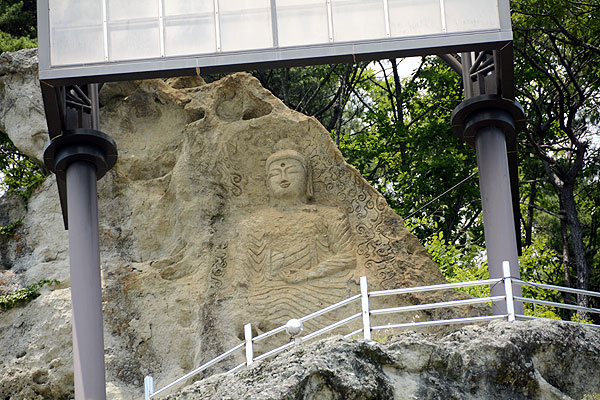
Golgulsa Temple
The representative Buddhist sites of Gyeongju, the 1,000-year-old capital of the Silla Dynasty, include the Bulguksa Temple and Seokguram Grotto on Namsan and Tohamsan Mountains, both UNESCO World Heritage sites. However, at the foot of Mt. Hamwolsan, about 20km from the center of Gyeongju towards the east coast, is the Golgulsa Temple, Korea's only stone-cut cave temple. -
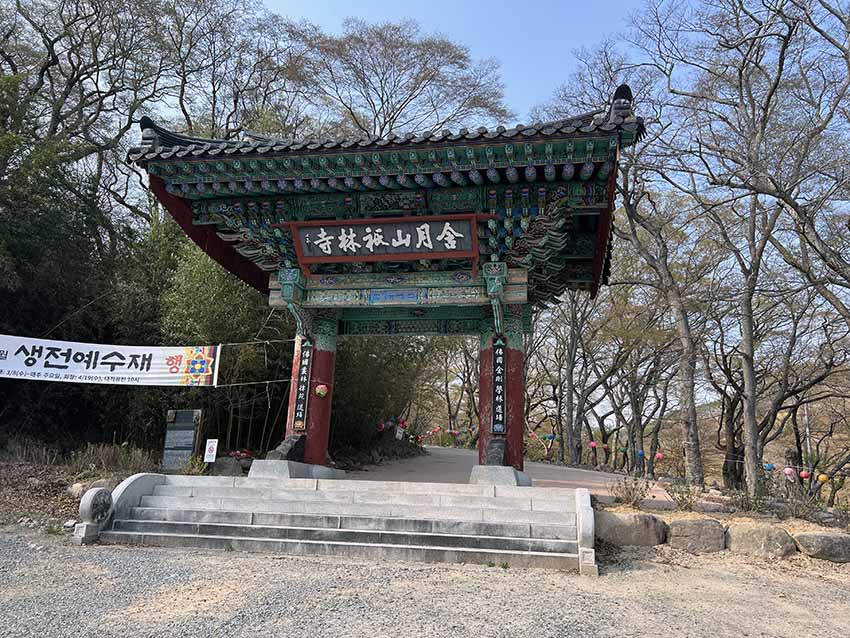
Gionji Temple
Located on the east coast of Gyeongju, this is the 27 Kannon Sanctuary of Korea, which was built during the reign of Queen Seondeok, the 33th ruler of Silla.
1