
Gyeongju Attractions– The must-see sightseeing spots in Gyeongju, the world heritage city –
Gyeongju is a leading historical tourist city in South Korea, where the thousand-year history and culture of the Silla dynasty still thrive. From the World Heritage sites of Bulguksa Temple and Seokguram Grotto to Daereungwon Beacon, Cheomseongdae Observatory, Donggung Palace and Wolji Pond, and Woljeonggyo Bridge, we introduce a variety of attractions, from historical sites to beautiful scenery and traditional streetscapes.
-
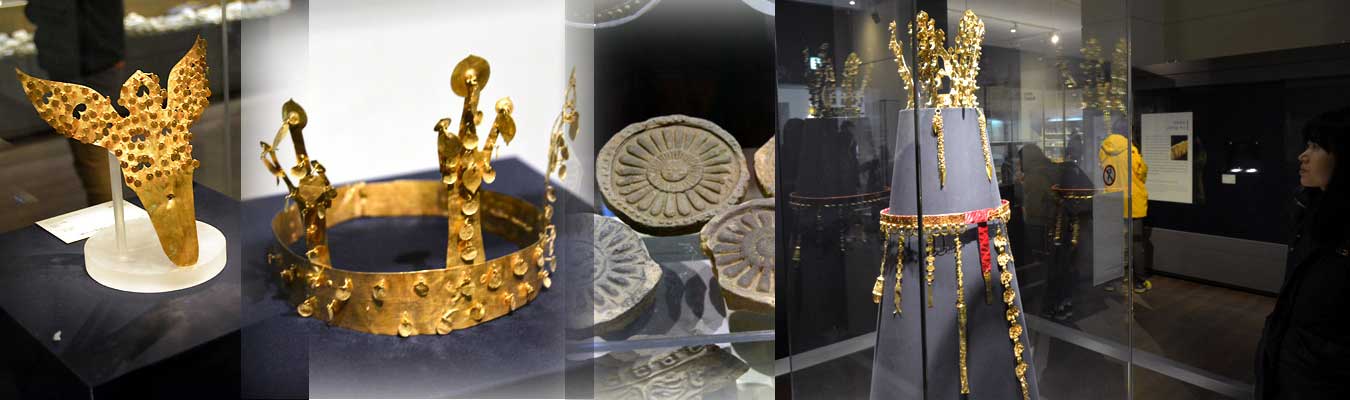
Gyeongju National Museum | Discover the Golden Culture and Thousand Years of History of the Silla Kingdom
This guide introduces the highlights of the Gyeongju National Museum. We'll explain the historical sites you should visit when sightseeing in Gyeongju, including the Silla gold crown, Buddhist art, Wolji Hall, special exhibition hall, the sacred bell of King Seongdeok, and the outdoor exhibition area. -
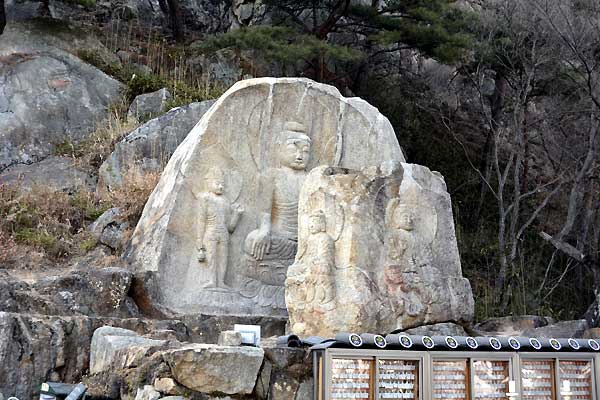
Gyeongju's Chilbulam and Shinseonam | Silla Buddhist Art Carved into the Cliffs of Namsan Mountain
This guide introduces Chilbulam and Shinseonam in Namsan, Gyeongju, in Japanese. It explains the highlights of the Chilbulam cliff carvings (a national treasure) and the Shinseonam cliff carving of a half-seated Bodhisattva, as well as access information and precautions for hiking. -
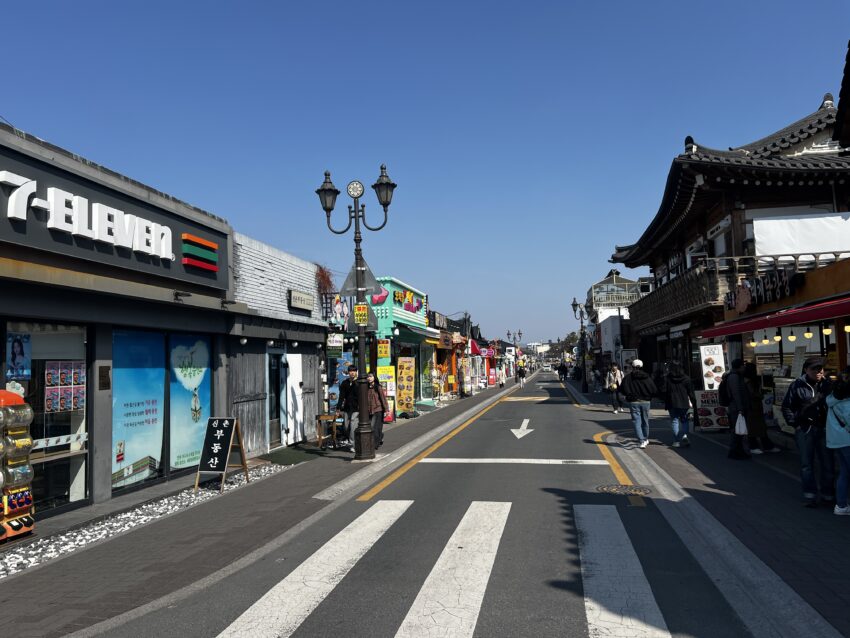
Gyeongju, Hwangnidan-gil
This article introduces Hwangnidan-gil, a popular tourist spot in Gyeongju. It covers traditional Korean house cafes, street food, souvenir shops, and other nearby attractions such as Daereungwon Tomb, Cheonmachong Tomb, Cheomseongdae Observatory, and Woljeonggyo Bridge. -
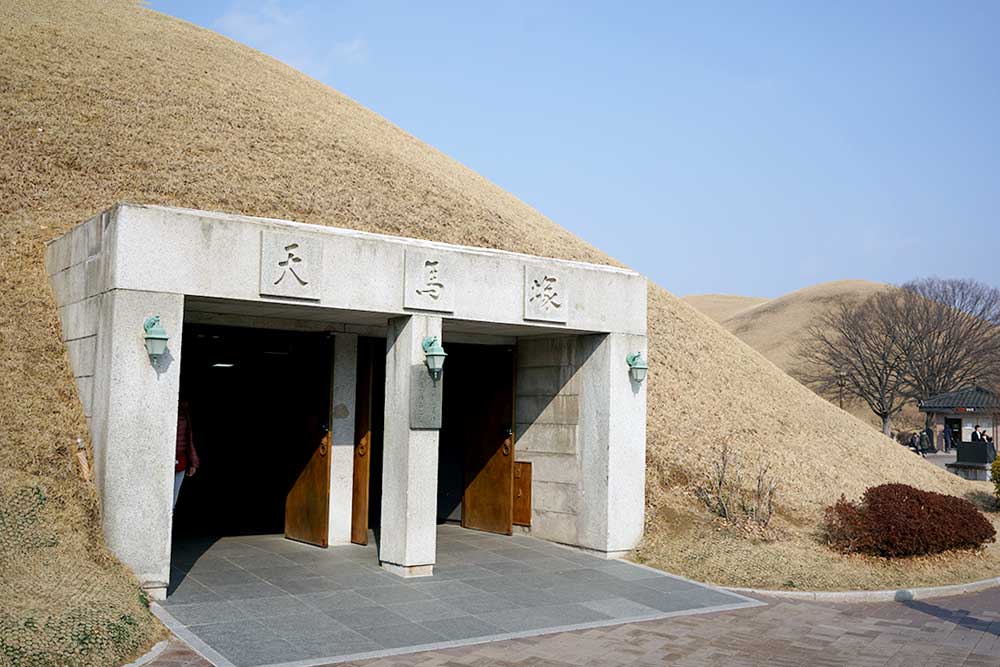
Cheonmachong Tomb, Gyeongju
This article provides a detailed introduction to Cheonmachong (천마총), located in Daereungwon, Gyeongju. It explains the 1973 excavation, the structure of the stone-piled wooden chamber tomb, the gold crown and 11,526 burial goods, the painting of a celestial horse and horse cushions made of birch and bamboo, and the international exchanges that took place through Goguryeo and the Silk Road. -

Gyeongju, Kyochon Village
Introducing Gyochon Village (Gyochon Hanok Village) in Gyeongju. From the Silla-era national school to the Joseon-era local school and the old residence of the Gyeongju Choi clan, this popular tourist spot in Gyeongju offers a glimpse into the town's long history and charming traditional Korean house (hanok) architecture. -
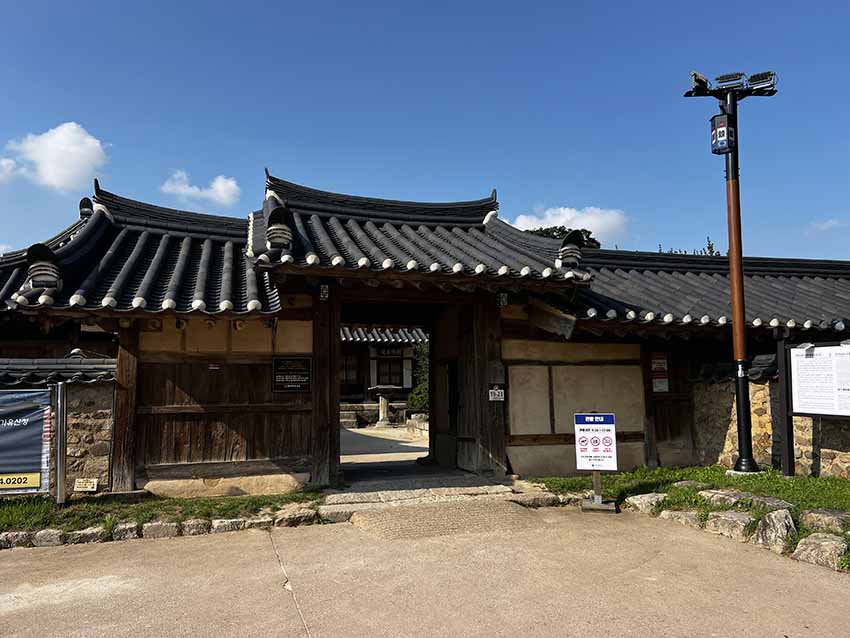
Choi family's old house in Gyodong, Gyeongju
Located in the Gyeongju Gyo-dong Hanok Village, the "Gyeongju Gyo-dong Choi Family Old House (Gyeongju Choi Bu-ja House)" showcases the main residence of the Gyeongju Choi family, which has a history spanning approximately 400 years, along with the traditional Korean architecture of the Joseon Dynasty, family precepts, and culture of sharing. -
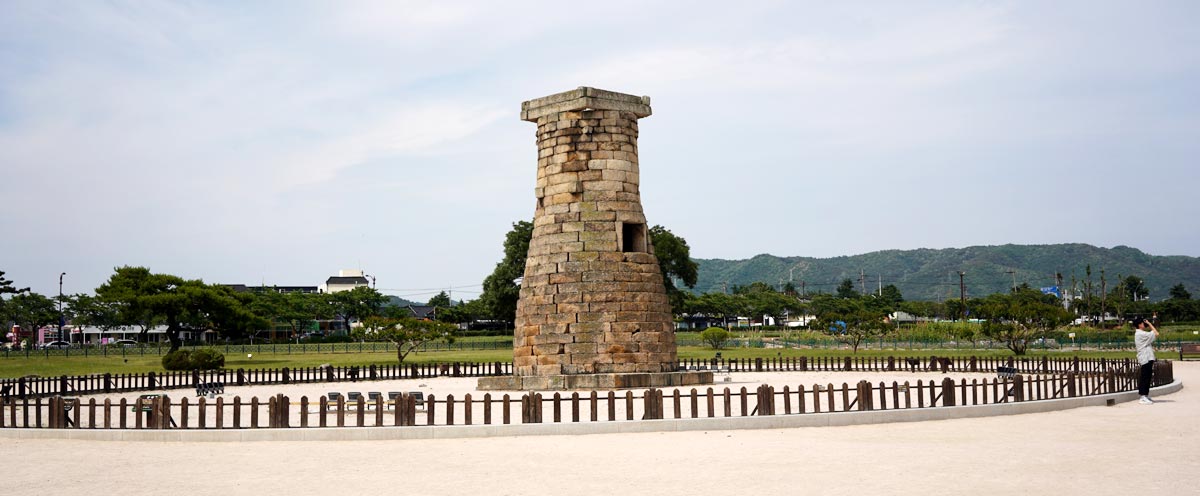
Cheomseongdae Observatory, Gyeongju
Cheomseongdae, a representative historical site of Gyeongju, is one of the oldest astronomical observatories in East Asia, believed to have been built during the reign of Queen Seondeok of Silla. This article introduces the beautiful seasonal scenery and night views of the surrounding area. -

Seokguram Grotto, Gyeongju | A World Heritage Site: Silla Buddhist Art and Principal Buddha Image
Seokguram Grotto, a UNESCO World Heritage Site and a representative landmark of Gyeongju, is a must-see. This guide introduces the man-made caves built during the Unified Silla period, the beautiful principal Buddha statue, and the natural beauty of Tohamsan Mountain. It's a popular Gyeongju tourist spot that you'll want to visit along with Bulguksa Temple. -
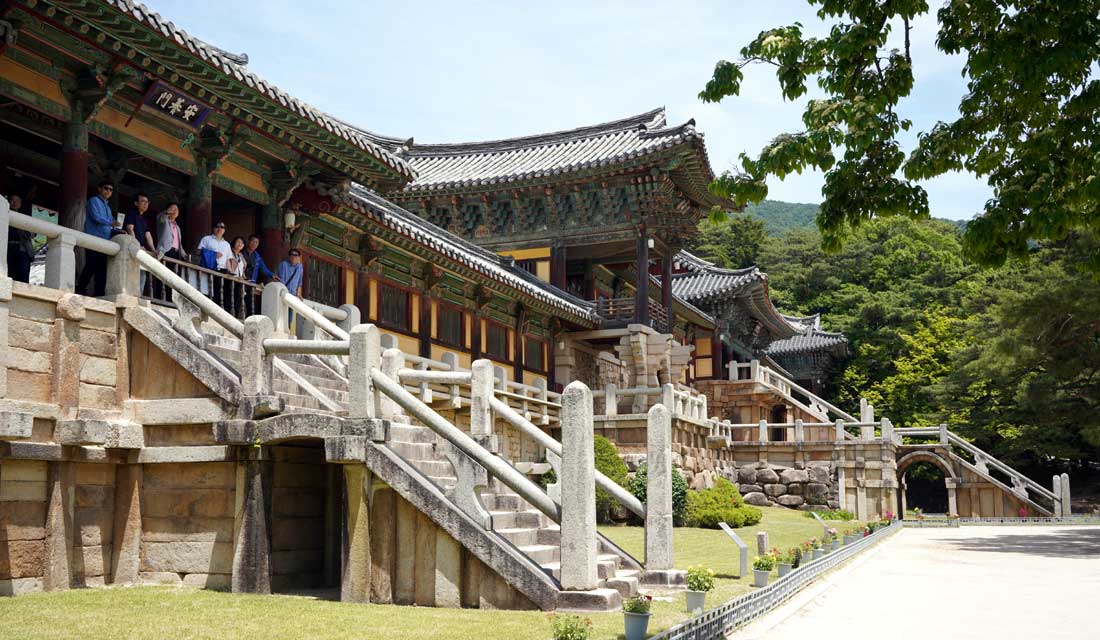
Bulguksa Temple, Gyeongju
This article provides a detailed introduction to Bulguksa Temple, a UNESCO World Heritage Site and a representative landmark of Gyeongju. Visitors can enjoy the Buddhist architecture and culture of the Unified Silla period, including Dabotap Pagoda, Seokgatap Pagoda, Daeungjeon Hall, and Cheongun Bridge. It's a popular Gyeongju tourist spot that should be visited along with Seokguram Grotto. -

Gyeongju, Woljeong Bridge
Woljeonggyo Bridge is a representative historical tourist spot in Gyeongju. We introduce this beautiful wooden bridge, a reconstruction of a bridge from the Silla period, its nighttime illumination, and the fantastical scenery reflected on the water's surface. -
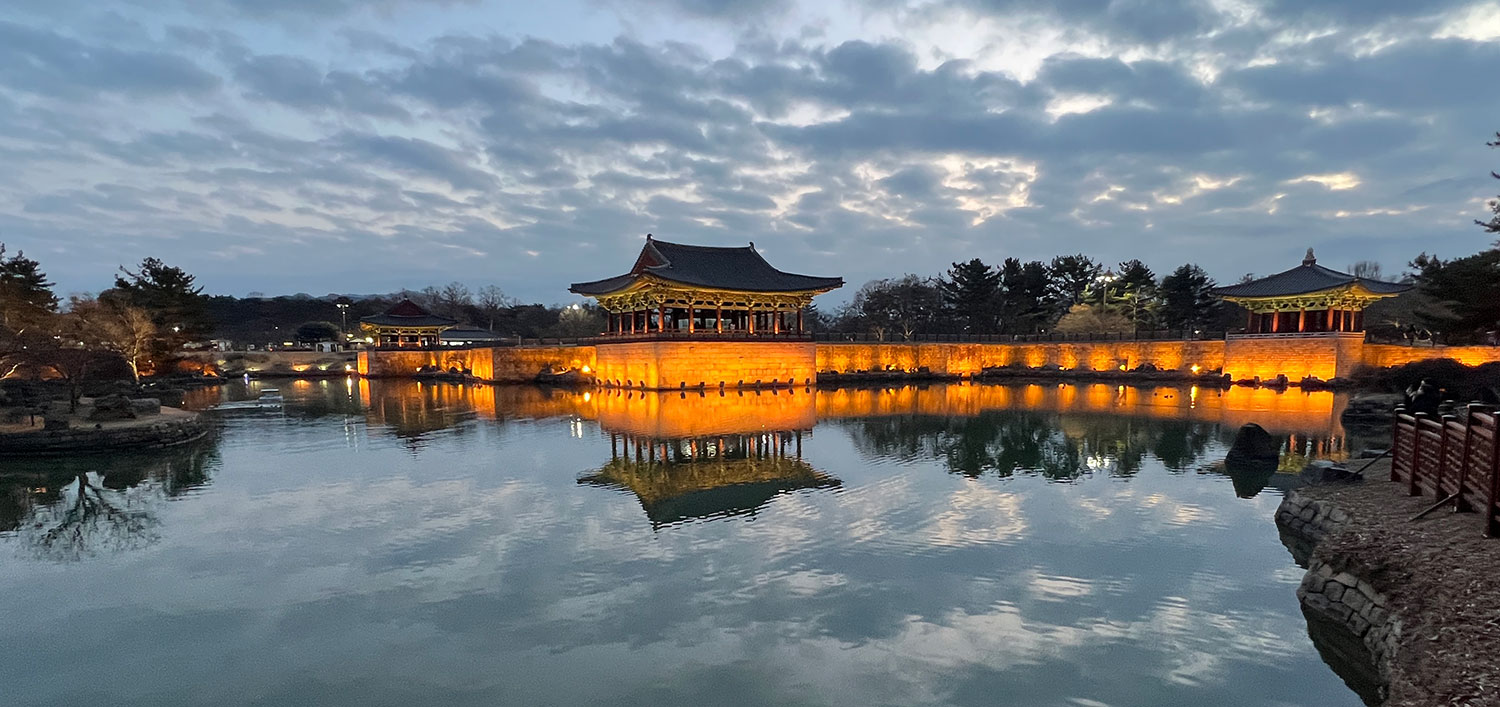
Gyeongju, Donggung Palace and Wolji Pond
Donggung Palace and Wolji Pond (formerly Anapji Pond) are representative tourist attractions of Gyeongju. This article provides a detailed introduction to the ruins of the Silla-era royal palace, the beautiful Wolji Pond, and the fantastical night view of the illuminated Imhaejeon Palace. -
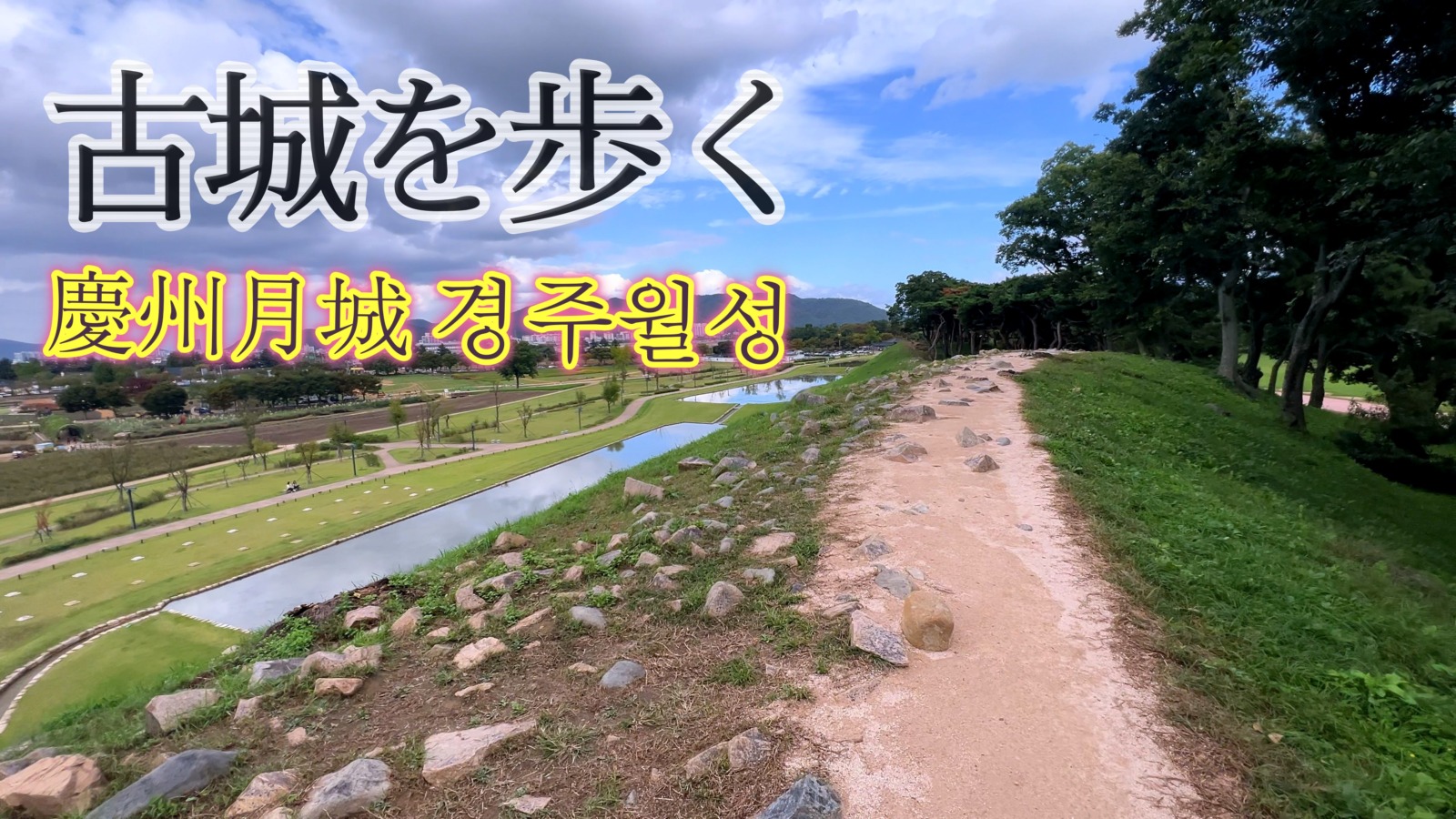
Gyeongju Wolseong Fortress
A must-see for history buffs! Wolseong in Gyeongju is the crescent-shaped ancient royal castle of Silla. Explore this fascinating ruin, which combines defense and scenic beauty. -
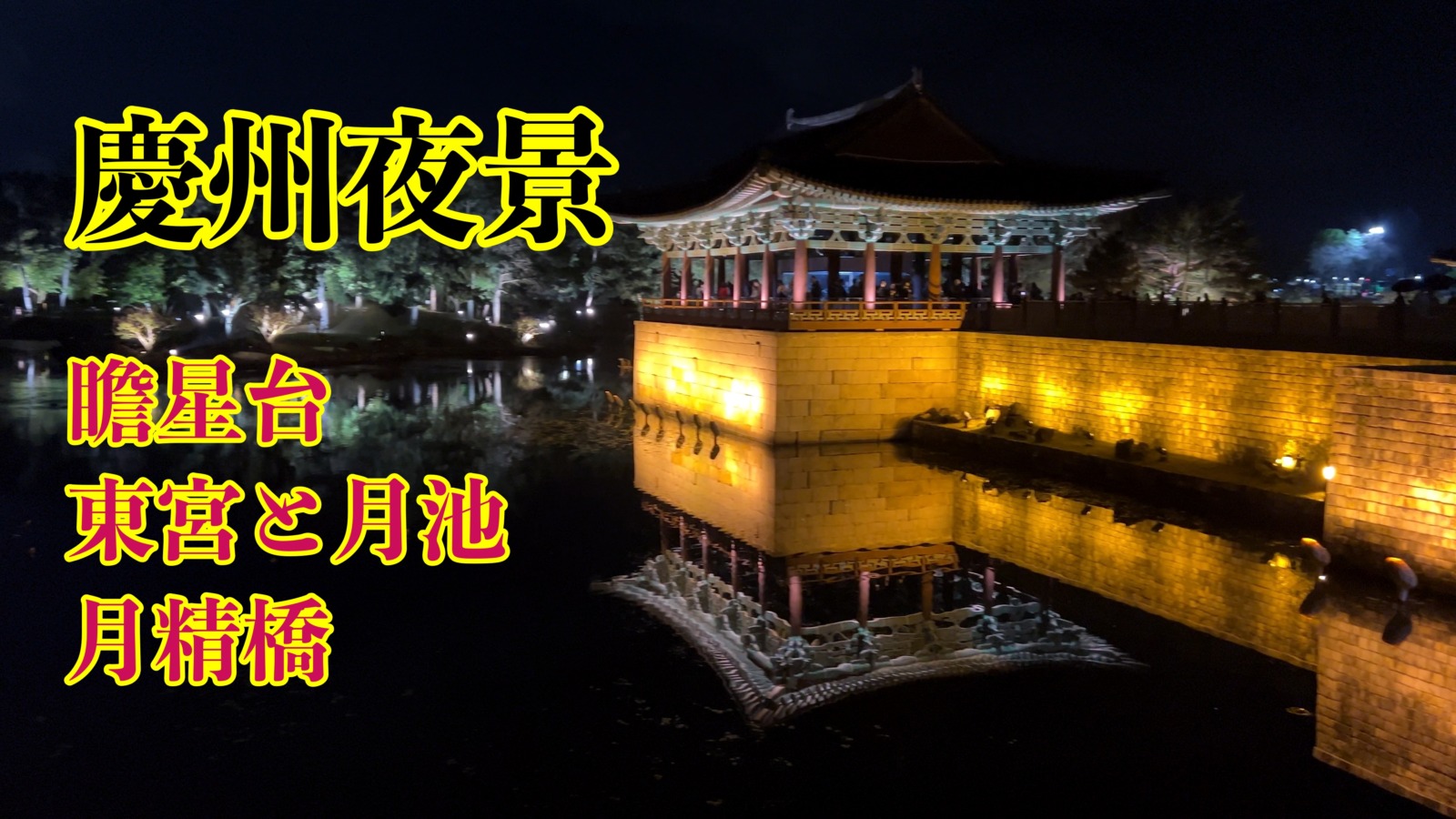
Gyeongju night view
The famous night view spots in Gyeongju are within walking distance from the Gyeongju Intercity Bus Terminal. The route from the Gyeongju Intercity Bus Terminal is as follows: Hwangnidangil, Jeongseongdae, Donggung Palace and Wolji Pond, and Woljeonggyo Bridge. -
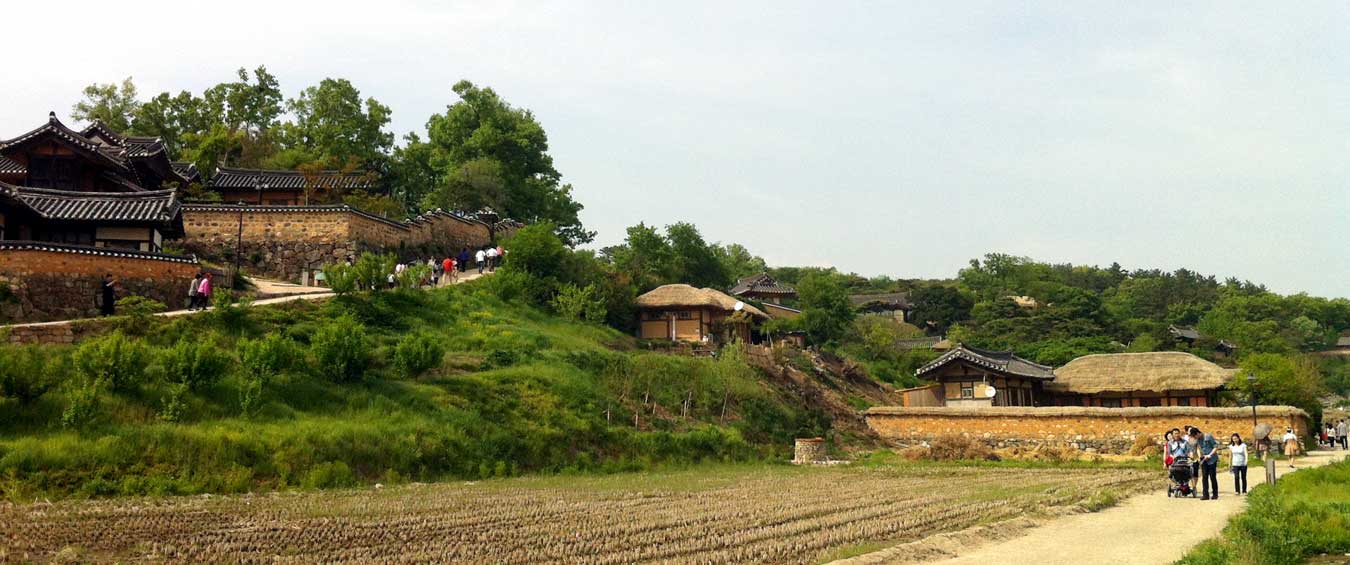
Yangdong Folk Village
Visit Yangdong Folk Village, where history and tradition live on. Experience Korean traditional houses and Confucian culture while enjoying the beauty of this World Heritage Site!
1