
Western Gyeongju/Gyeongju Station Area– Category –
The Gyeongju Station Area in western Gyeongju is a region dotted with cultural heritage sites that tell the history of the Silla Kingdom, including royal tombs and stone Buddha statues. It boasts numerous historical sites, such as the tomb of General Kim Yu-sin and the tomb of King Muyeol, making it a convenient area to start sightseeing from Gyeongju Station, where the KTX trains arrive and depart.
-
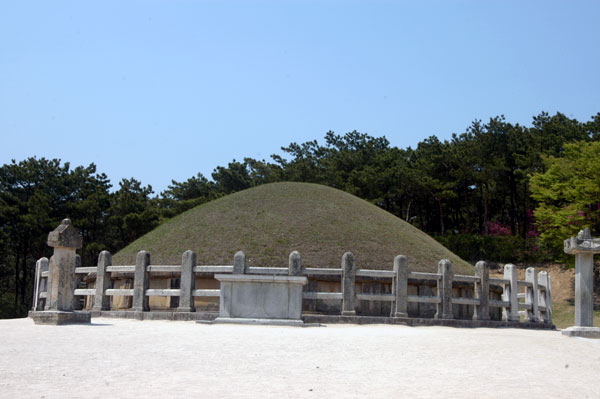
General Kim Yu-sin's Tomb
This article introduces the tomb of General Kim Yu-sin in Gyeongju, South Korea. It provides a clear explanation of the history of this renowned general who contributed to the unification of the Three Kingdoms of Silla, the twelve zodiac statues surrounding the tomb, points of interest, and access information. -
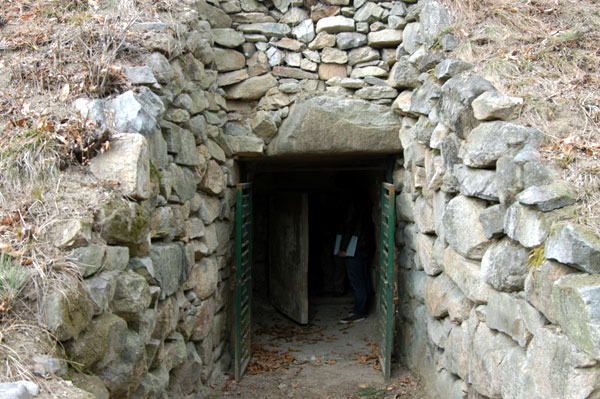
Gyeongju Jangsan Clay Figurine Mound
The Jangsan Clay Figurine Mound in Gyeongju is a horizontal-chambered stone tomb from the Unified Silla period, built in the mid-8th century. It is a historical site in western Gyeongju, known for the discovery of clay figurines and pottery. -
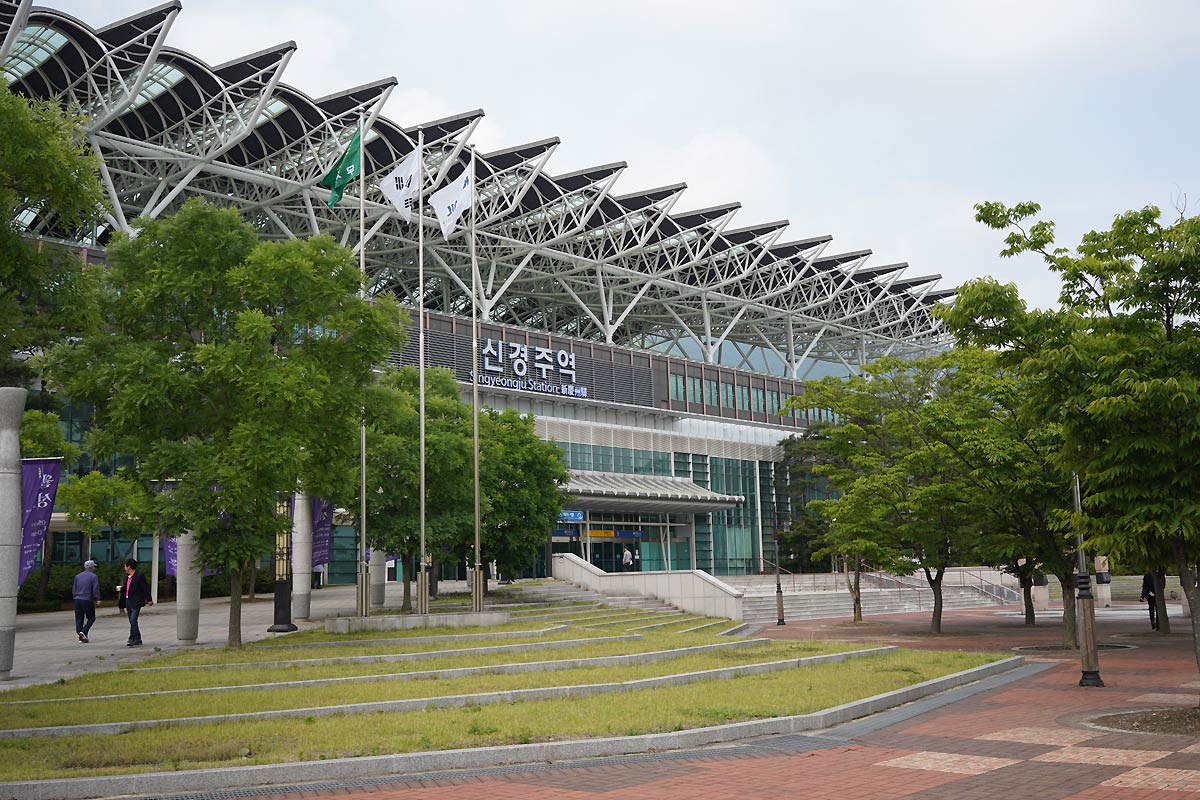
Gyeongju Station | Gyeongju by KTX/SRT
This page provides a Japanese-language introduction to Gyeongju Station (formerly Singyeongju Station). It includes detailed information on using the KTX and SRT lines, facilities on the first and second floors of the station, distance to Gyeongju city center, city bus routes, and access to places like Hwangnidan-gil and Daereungwon. -
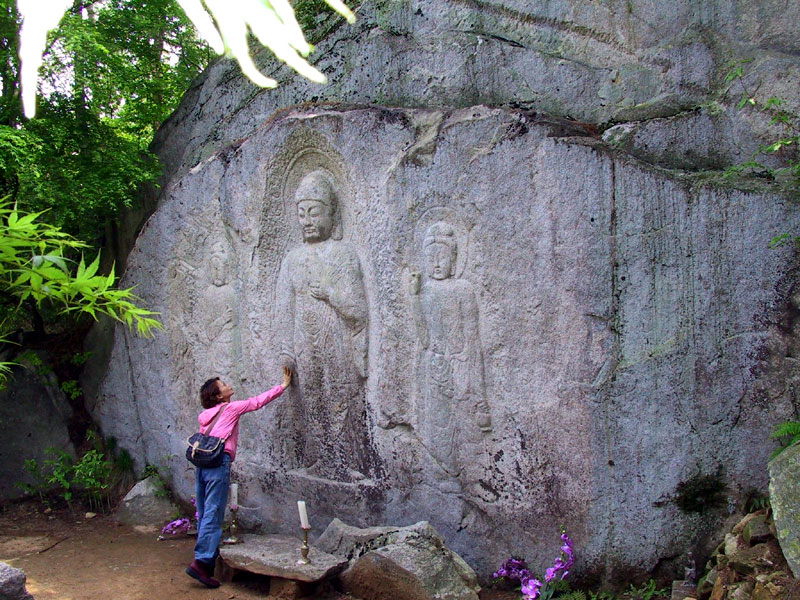
Gyeongju Yul-dong Magae Jyorai Triad Standing Statue
Hello, if you cross the Hyeongsan River from the Gyeongju Intercity Bus Terminal, you will come to the Tomb of King Taejong Muyeol, the 29th king of Silla in Seoak-dong, and about 2.3 km from there, at the foot of the mountain on the left, you will come to Dudae-ri Village (Yul-dong). If you go up the mountain behind this village, you will come to the rock-carved three statues from the Unified Silla period carved in the 8th century... -
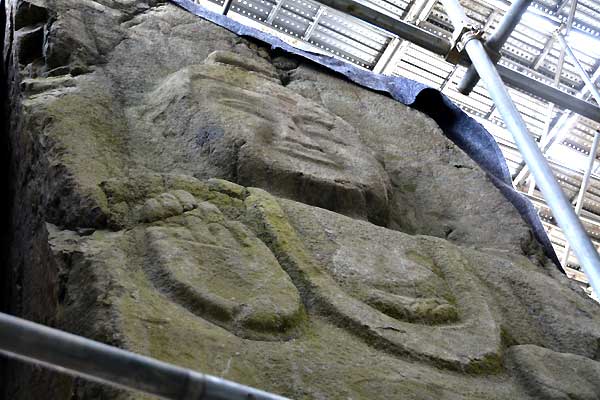
The rock-carved Buddha statues at Dansekisan Shinsensa Temple
Danseoksan, located 827 meters above sea level west of downtown Gyeongju, is the first rock-cut temple in Silla, known as the mountain where Kim Yu-shin, a famous general of Silla, trained! Hello, Danseoksan is the temple where Kim Yu-shin, a famous general of Silla who destroyed Goguryeo and Baekje and made a great contribution to the unification of the three kingdoms of Silla, trained. -
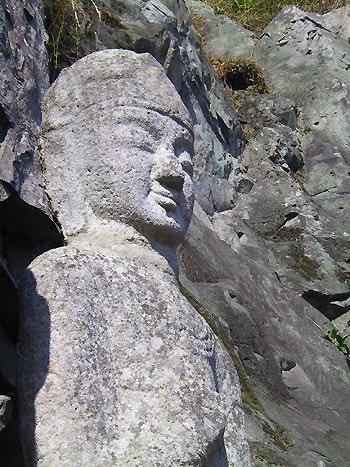
Seoak-ri, Gyeongju Rock-carved Buddha Statue
Seondosan Mountain is a triangular mountain located to the west of Gyeongju City, where the Tomb of King Taejong Muyeol (the 29th king of Silla) and the Seoak-ri Tomb Group are located. The Silla people considered the area near the peak of Seondosan Mountain to be the Western Pure Land, and carved the Amitabha Triad here. The 6.85m-tall standing Buddha statue was carved into andesite, which is difficult to carve, and... -
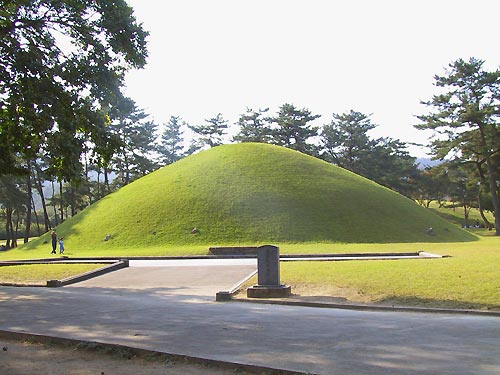
Tomb of King Taejong Muyeol
A king who, together with General Kim Yu-shin, laid the foundation for the unification of the Korean peninsula! Kim Chunchu of the Tomb of King Taejong Muyeol, the 390th king of Silla, located at the foot of the mountain that spreads south from Seondosan (29m above sea level) on the northwest side of Gyeongju, was the first king of Silla born of Jinbong origin, and led an alliance with the Tang Dynasty... -
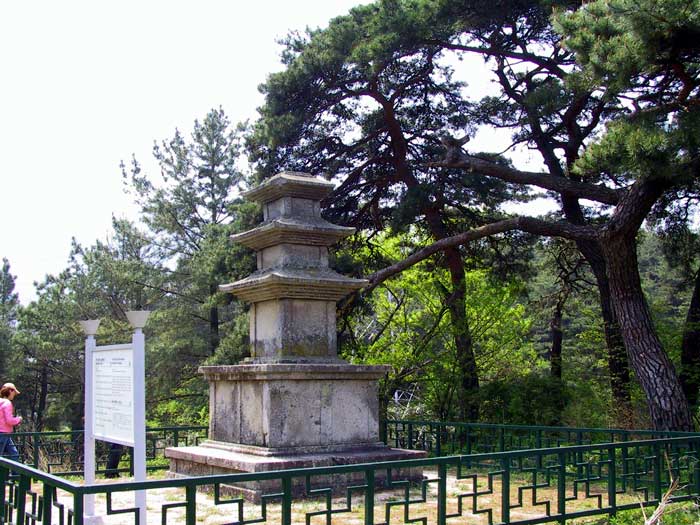
Three-story stone pagoda in Hyohyeon-dong, Gyeongju
This is a typical three-story stone pagoda from the Unified Silla period, located near Singyeongju Station, where the KTX stops. Hello, there are three-story stone pagodas made of granite all over Gyeongju, but the 4.06m-tall Hyohyeon-dong pagoda is located on the way from downtown Gyeongju to Singyeongju Station, where the KTX stops... -
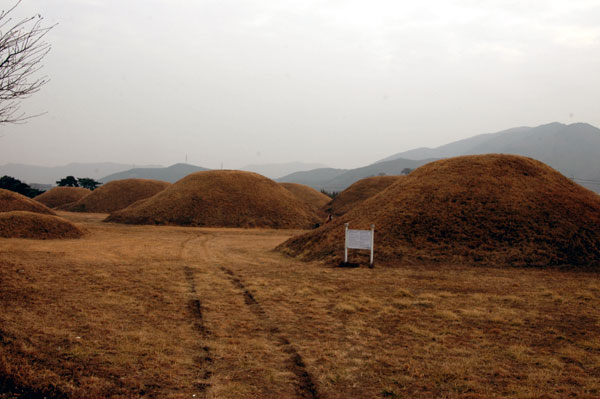
Gyeongju Geumshak-ri Tomb Group
On the plains leading from KTX Shingyeongju Station to Gyeongju City's Gyeongcheon-eup area, there are more than 30 large and small Silla-era tombs. Although no full-scale excavation has been conducted, two destroyed tombs were investigated in 1952. They were built on the plains, and the top of them was made of wood picked up from the river.
1