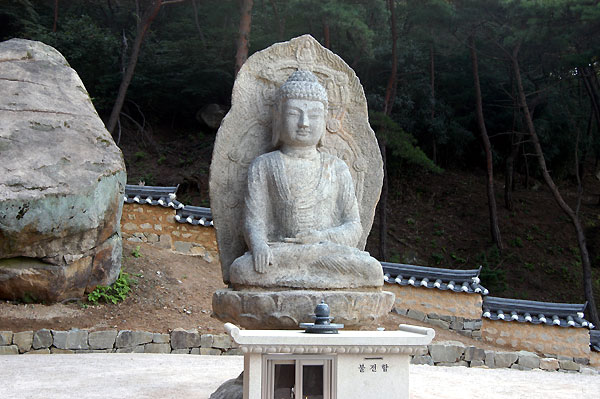
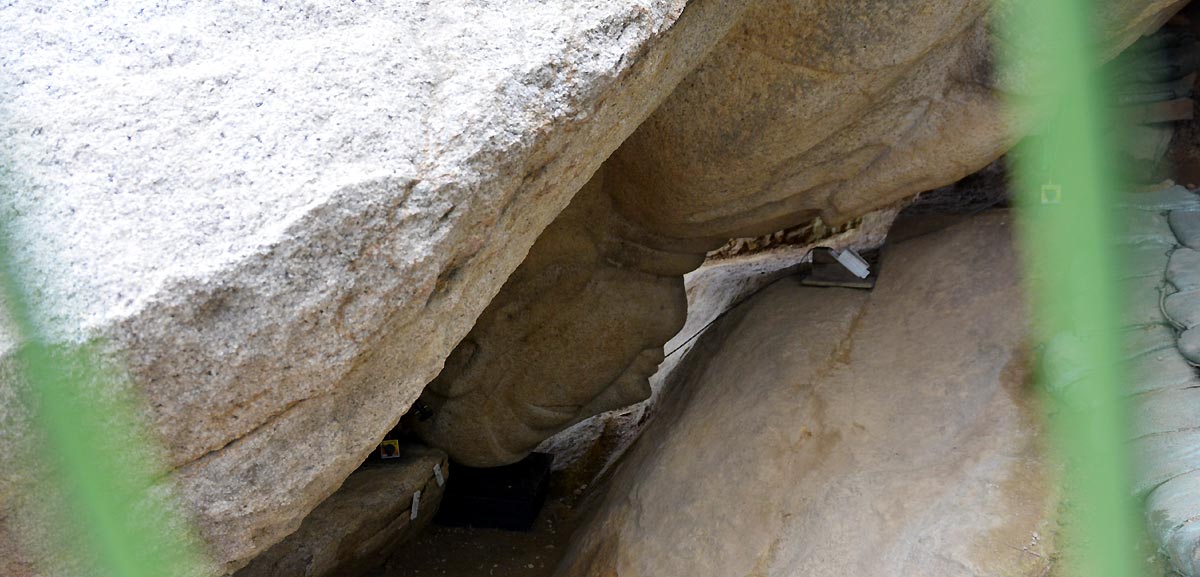
Gyeongju Historic Areas, a UNESCO World Heritage Site.
Gyeongju Historic Areas, a UNESCO World Heritage Site.
table of contents
Walking through the thousand-year-old capital of Silla
Gyeongju, the ancient capital of South Korea, is a historic city that flourished as the capital of the ancient kingdom of Silla. The city retains remnants of royal palaces, tombs, temple ruins, stone pagodas, stone Buddha statues, and fortresses, and in 2000 it was registered as a UNESCO World Heritage Site as the "Gyeongju Historic Areas."
The Silla Kingdom lasted for approximately 1,000 years, from 57 BC to 935 AD, and Gyeongju was its political and cultural center. Visiting the ruins allows you to learn about the capital's politics, religion, science, burial customs, and defense systems all at once.
Gyeongju's History as Seen Through Five Districts
The Gyeongju Historic Sites area consists of the following five districts:
district
Main Attractions
Korean
Minamiyama District
Stone Buddha statues, stone pagodas, temple ruins, Nanshan New Town, Baoshi Pavilion site
I'm in love with you
Wolseong District
Wolseong, Gyerim, Cheomseongdae, Donggung and Wolchi
월성지구
Daereungwon area
Royal tombs, burial mounds, Tenmazuka
I'm in love with you
Hwangnyongsa Temple Area
Hwangnyongsa Temple Site, Bonwangsa Temple
Home page
Yamashiro District
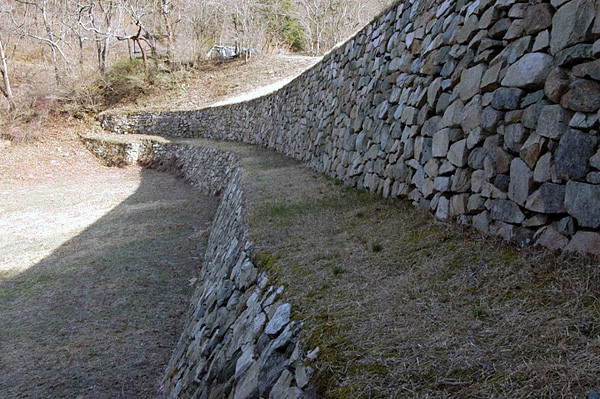
Defensive structures such as Myeonghasam Castle
산성지구
As you tour the five districts, you can get a sense of what the Silla royal capital was like, with its layout of palaces, temples, tombs, astronomical facilities, and fortifications.
Nanshan Area | Buddhist Ruins Remaining in Nature
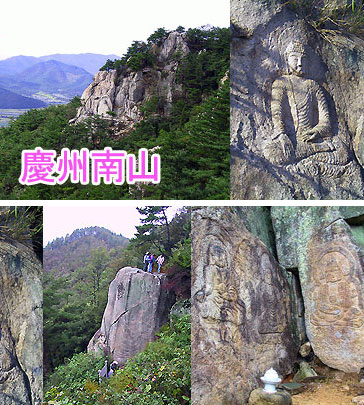
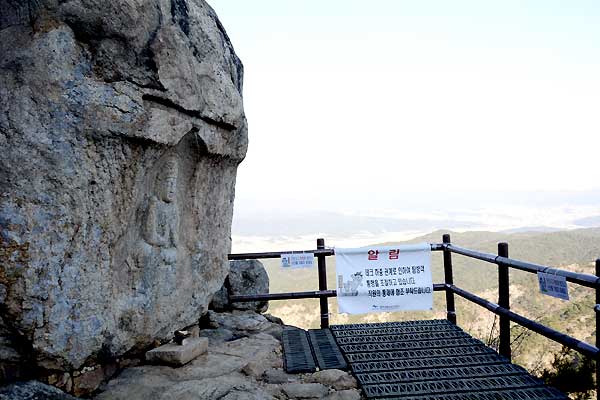
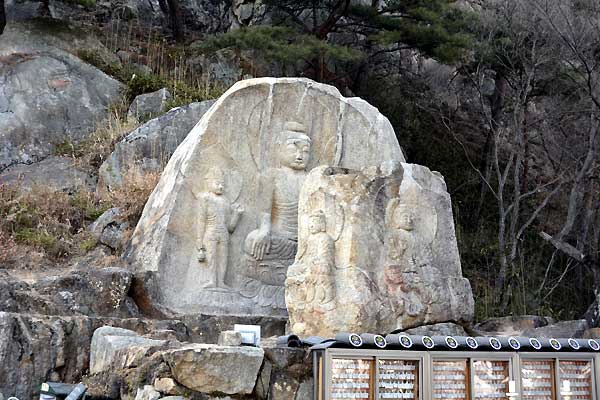
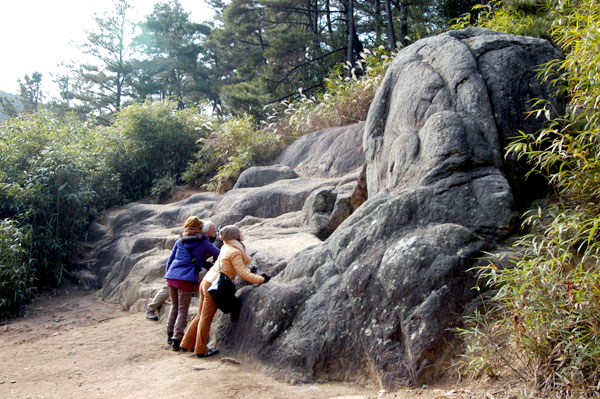
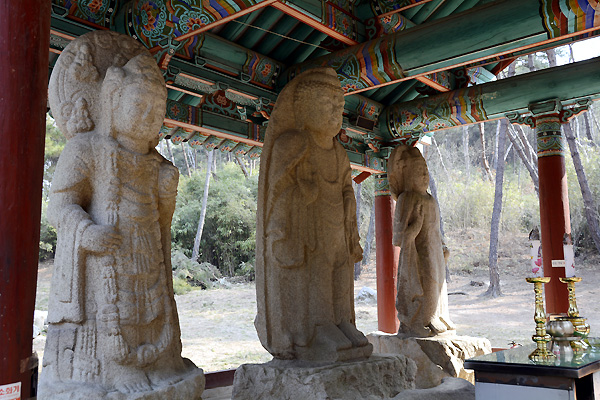
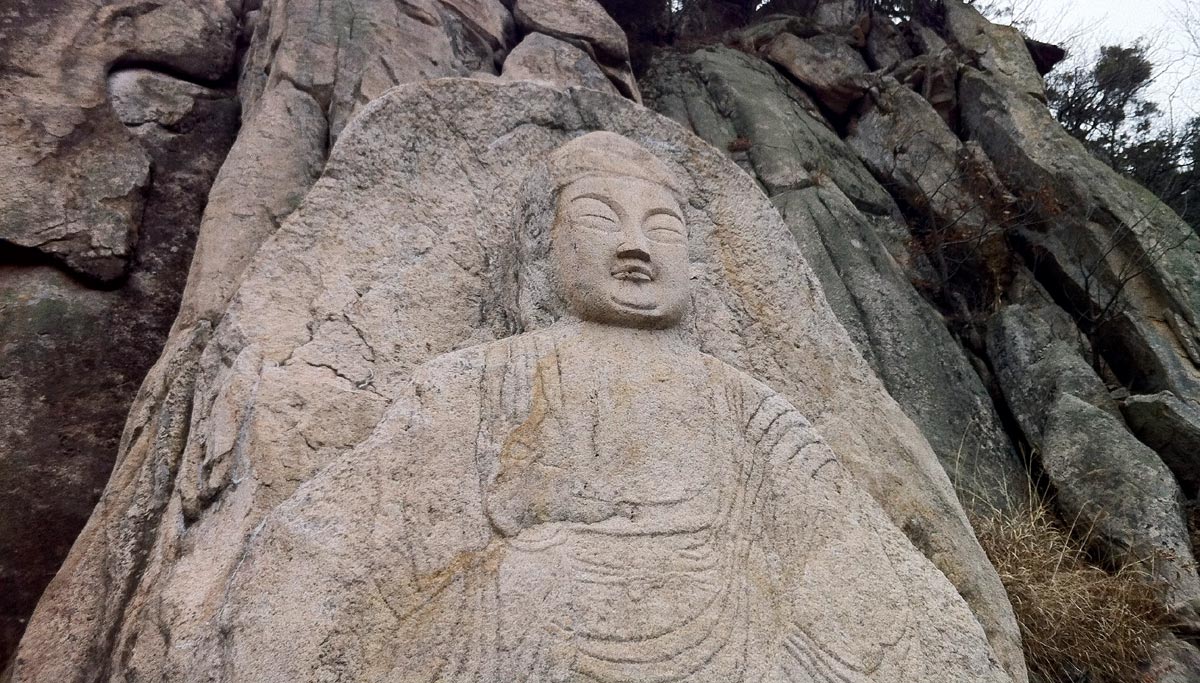
Rock-carved bodhisattva statue at Shinseonam, Namsan Mountain, Gyeongju
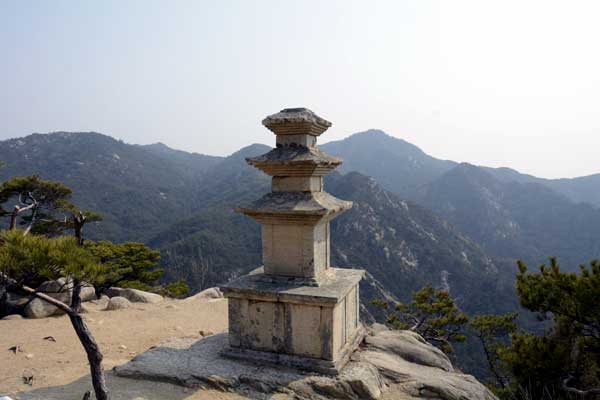
Namsan Mountain (경주 남산), located in southern Gyeongju, is dotted with stone Buddha statues, rock-carved Buddhas, stone pagodas, and temple ruins. Many of the ruins are integrated with nature, and the opportunity to experience Silla's Buddhist culture while walking along the mountain paths is a major attraction.
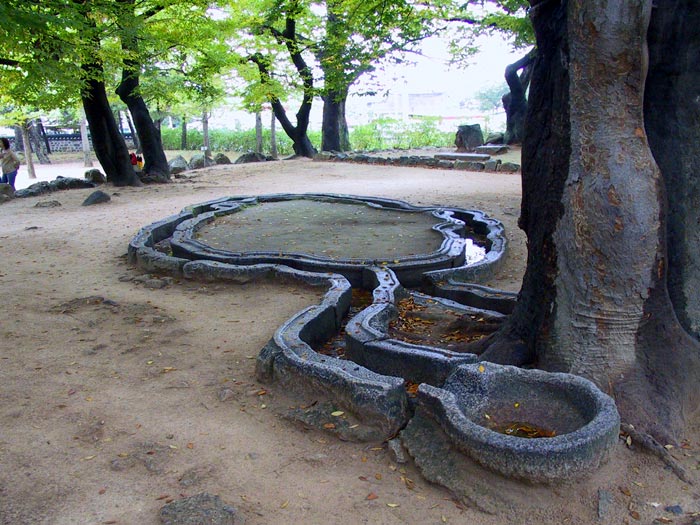
The site still retains remnants of Namsan New Fortress (남산신성), a defensive facility for the royal capital, and the site of Poseokjeong Pavilion (포석정지), believed to have been a banquet hall, allowing visitors to learn not only about religion but also about politics and the lives of the people.
Tsukishiro District | The center of the royal palace and capital city
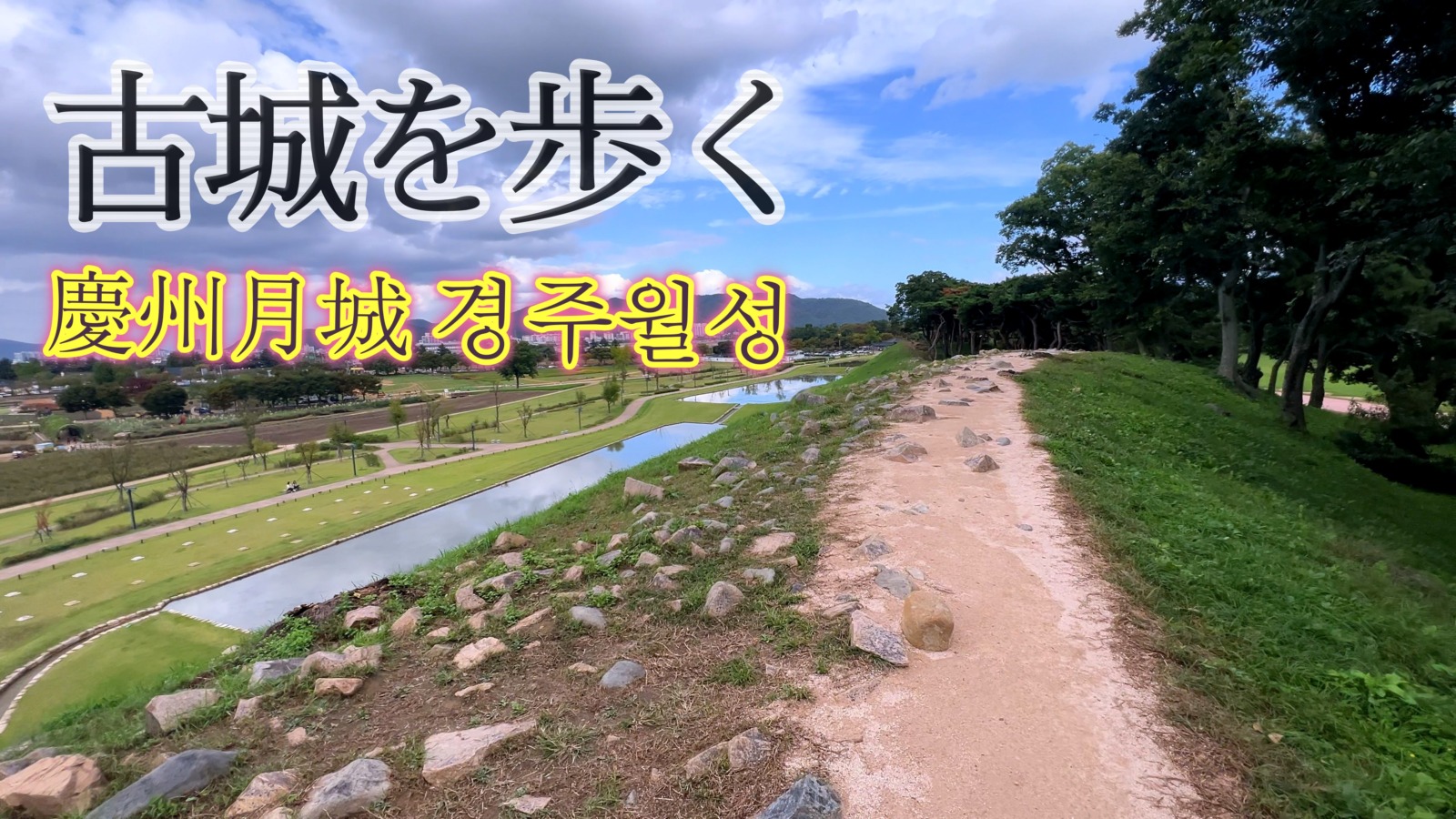
Gyeongju Wolseong Fortress
Tsukishiro
Wolseong (월성) was the site of the Silla royal palace. Today, remnants of the city walls and building foundations remain, allowing us to imagine the scale of the royal palace that once served as the political center.
The surrounding area, with its clusters of Gyerim Park, Cheomseongdae Observatory, Donggung Palace, and Wolji Pond, is a representative walking area of Gyeongju.
Gyerim
Gyerim is a quiet forest surrounded by ancient trees. Legends remain there about Park Hyeokgeose, the founder of Silla, and Kim Alji, who is considered the founder of the Gyeongju Kim clan.
It's close to Tsukishiro Castle and the burial mounds, making it an easy place to stop by during a historical walk.
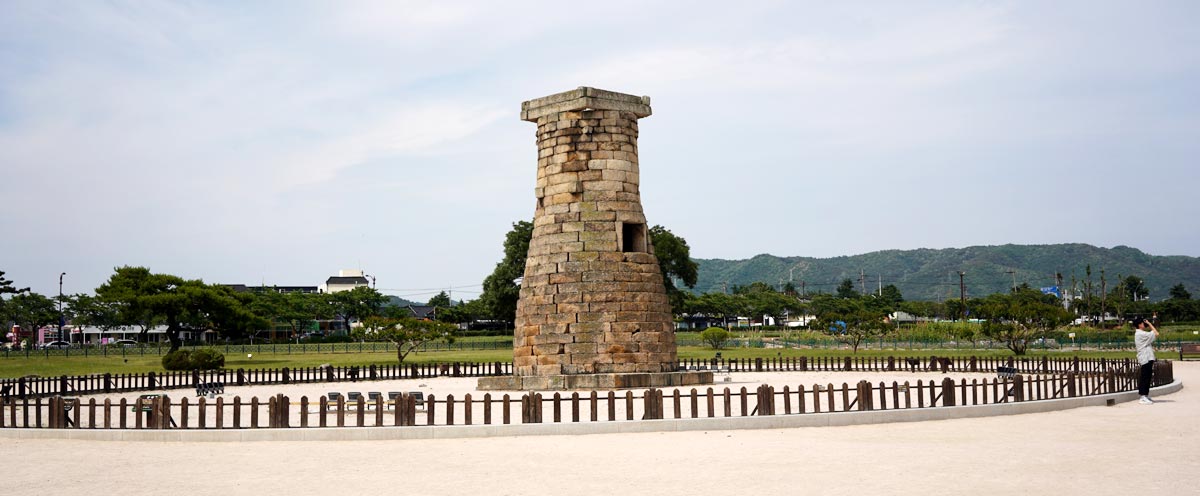
Cheomseongdae
Cheomseongdae (罻星大) is a stone structure known as an astronomical observation facility from the Silla period. Surrounded by ancient tombs and a large historical park, it offers different scenery depending on the season.
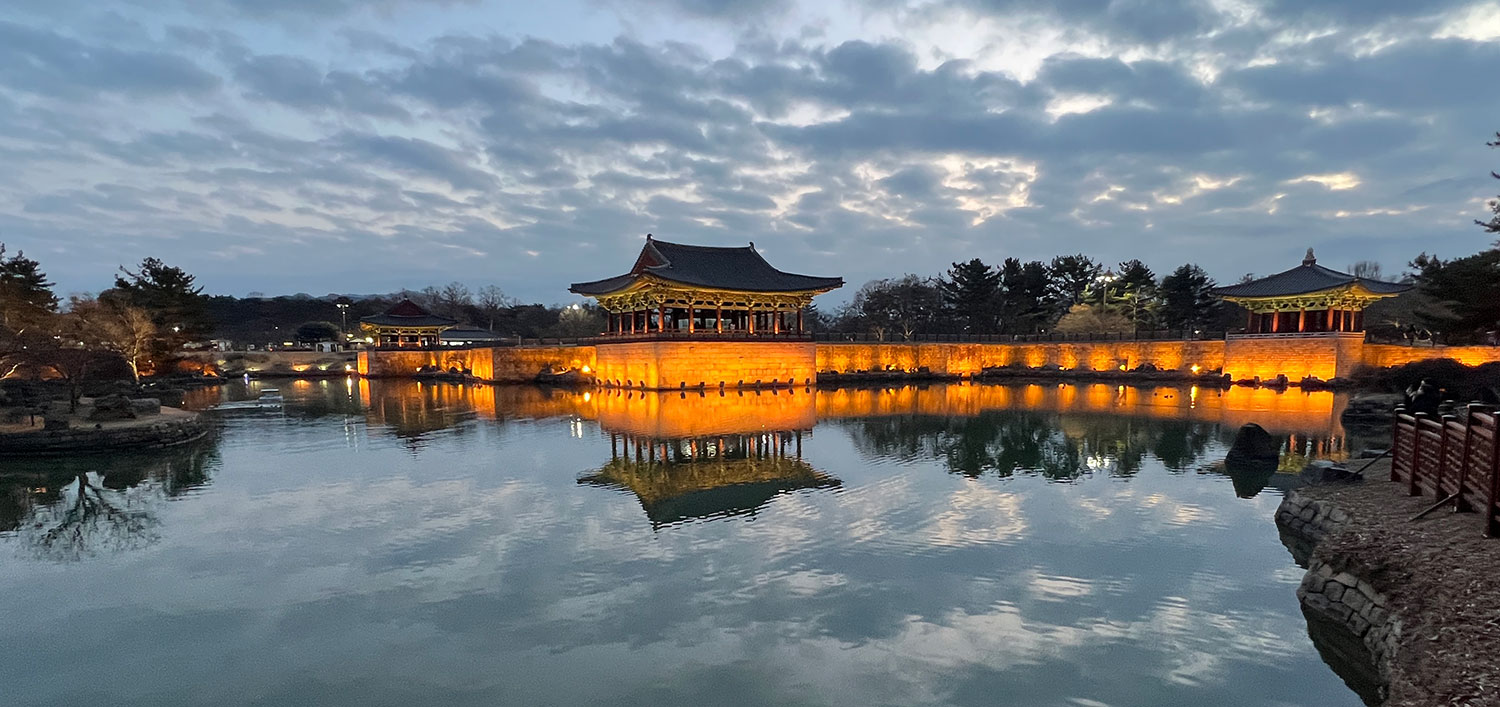
Crown Prince and Moon Pond
Donggung Palace and Wolji Pond (동궁과 월지) are historical sites related to a secondary palace and garden of the Silla royal palace. At night, the buildings and pond are illuminated, making it one of Gyeongju's representative night view spots.
It's also suitable for evening visits, as you can enjoy the layout of the ruins during the day and the fantastical scenery reflected on the water at night.
Daeryoen District | A royal burial ground lined with ancient tombs.
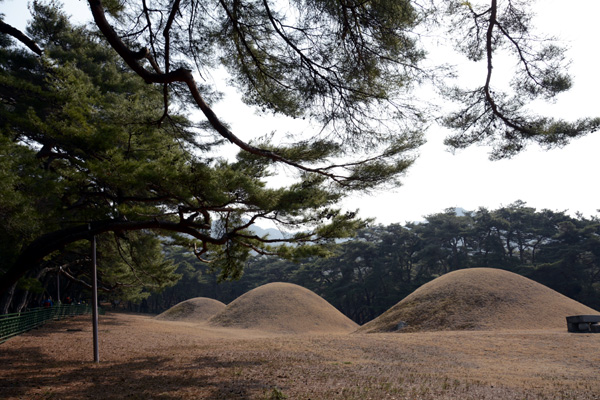
Daereungwon and Cheonmachong
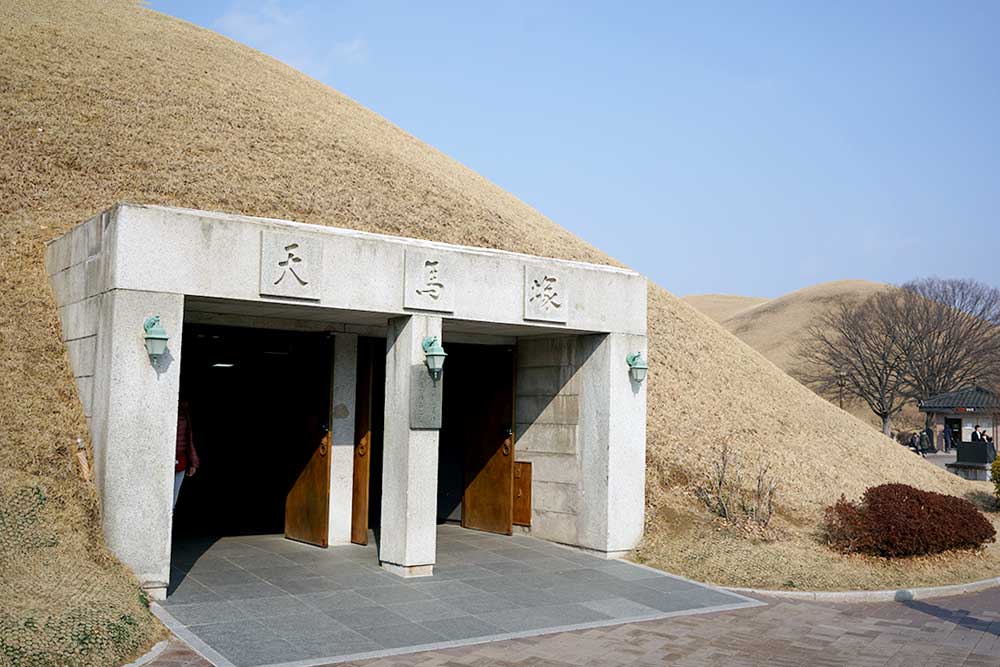
Daereungwon (대릉원) is a group of ancient tombs containing the remains of the Silla royal family. The sight of large tombs covered in green lawns lining the streets is one of Gyeongju's iconic landscapes.
At Cheonmachong (천마총), a representative ancient tomb, visitors can tour the interior. The unearthed gold ornaments, glass products, and pottery offer insights into the burial customs of the Silla royal family and the technology of the time.
The surrounding area includes the historic streets of Hwangnam-dong and Hwangnidang-gil, a street lined with cafes and restaurants. It's an area where you can enjoy both ancient ruins and modern Gyeongju.
Kōryūji District | Site of a massive temple
Hwangnyongsa Temple Site
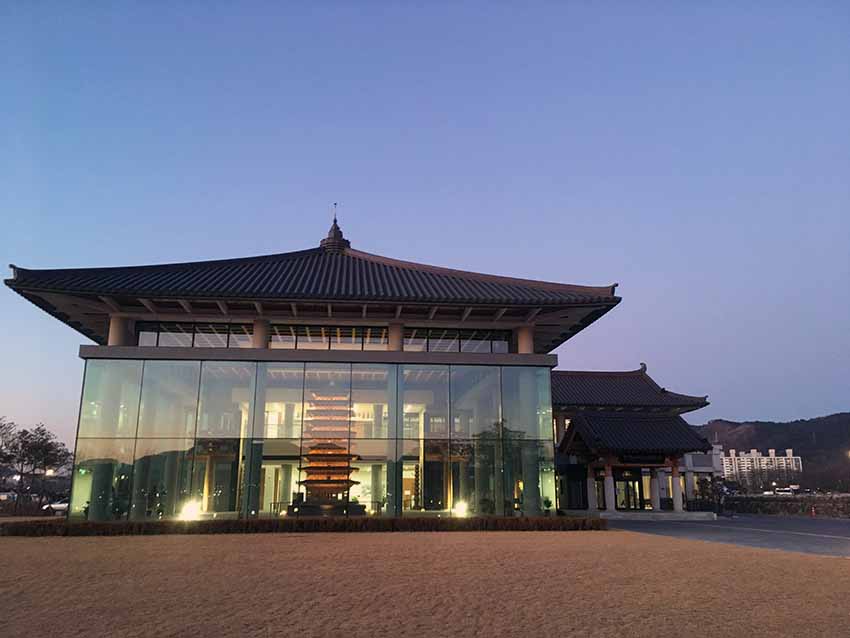
Hwangnyongsa Temple (황룡사) was a large temple representative of the Silla Kingdom. Although the buildings no longer remain, the foundation and cornerstones of the vast grounds still stand, allowing us to imagine its former scale.
A nine-story wooden pagoda, approximately 80 meters tall, once stood here. Walking through the ruins, one can feel the presence of temples that symbolized Silla's Buddhist culture and the power of the state.
Bunhwangsa Temple
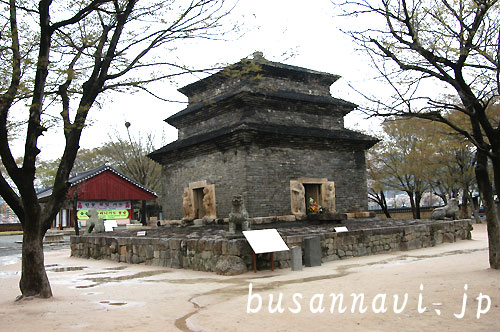
At Bunhwangsa Temple, located near the site of Hwangnyongsa Temple, the Bunhwangsa Mock Stone Pagoda remains.
Characterized by its unique form, where stones are stacked like bricks, it is an important historical site that conveys the stone pagoda culture of the Silla period.
Yamashiro District | Fortresses that protected the royal capital
Akiyoshiyama Castle
In the capital of Silla, not only were there royal palaces and temples, but also fortified castles for defense.
Myeonghwalsanseong Fortress, a representative historical site, was an important defensive structure protecting the eastern side of the royal capital. It demonstrates that Gyeongju was a city formed with defense in mind, not just religion and politics.
Walking through Gyeongju, the "open-air museum"
Gyeongju is called an "open-air museum" because you can encounter ancient ruins just by walking around the city.
The Daereungwon tombs, the ruins of the Wolseong royal palace, Cheomseongdae Observatory, Gyerim Temple, Donggung Palace and Wolji Pond, and the site of Hwangnyongsa Temple are all spread throughout the city, allowing you to experience the urban structure of an ancient royal capital.
World Heritage Sites to Visit Together in Gyeongju
Gyeongju Wolseong Fortress
In addition to the Gyeongju Historic Areas, Gyeongju also has a World Heritage Site called "Seokguram Grotto and Bulguksa Temple."
Visiting them in this order is the most efficient.
If time permits, on another day
Bulguksa Temple → Seokguram Grotto
A visit to this location allows you to enjoy the Silla royal capital and Buddhist culture from different perspectives.
Access from Busan and sightseeing highlights
From Busan to Gyeongju, you can use the KTX/SRT Gyeongju Station (경주역), trains, or buses. From the station to the historical site area, it's convenient to travel by bus or taxi.
Since the ruins are spread out over a wide area, it's efficient to narrow down the places you want to visit before you go. Daereungwon, Cheomseongdae, Gyerim, Wolseong, Donggung, and Wolji are relatively close to each other and suitable for exploring on foot.
Summary
The Gyeongju Historic Areas (경주역사유적지구) is a World Heritage Site that tells the story of approximately 1,000 years of Silla history.
The five districts of Namsan, Wolseong, Daereungwon, Hwangnyongsa, and Sanseong contain remnants of stone Buddha statues, stone pagodas, royal palace ruins, ancient tombs, temple ruins, astronomical facilities, and fortresses.
Walking through the area, from ancient tombs to the ruins of the royal palace, temples, and fortresses, you can get a sense of how the capital of Silla developed. Easily accessible from Busan, this historical city is recommended for those who want to enjoy ancient Korean history and World Heritage sites.