Korean History Tour– Korean Relic Area –
-
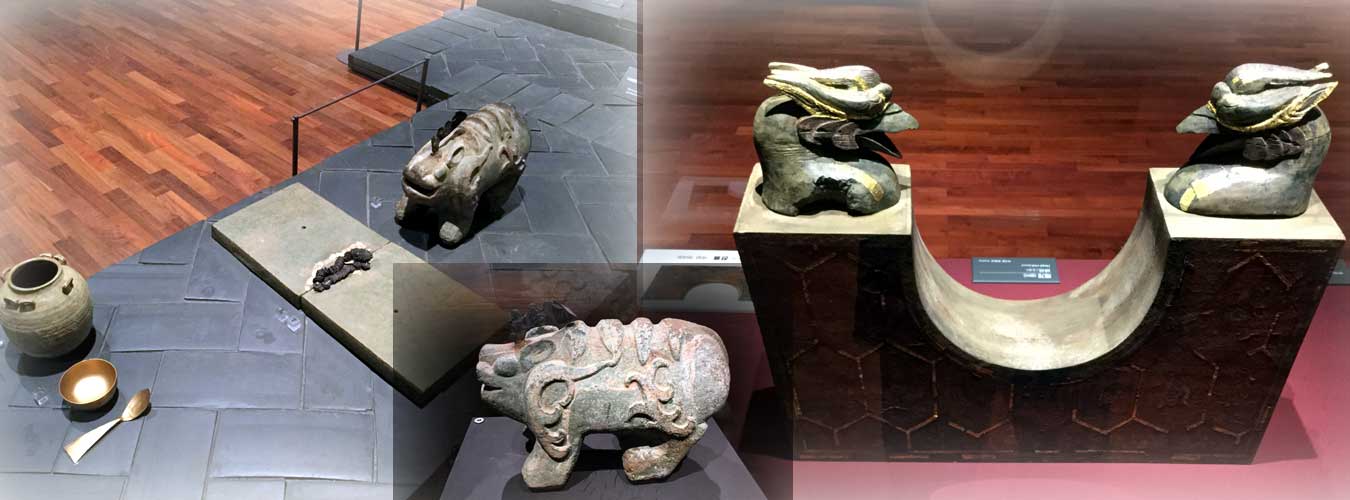
Gongju National Museum | Discover the treasures of King Muryeong's tomb and ancient exchanges with Japan
This article introduces the Gongju National Museum in Gongju, South Korea. It provides a detailed explanation of the museum's highlights, including valuable cultural artifacts unearthed from the Tomb of King Muryeong, tomb guardian animals, Baekje craftsmanship, and outdoor exhibition gardens. -
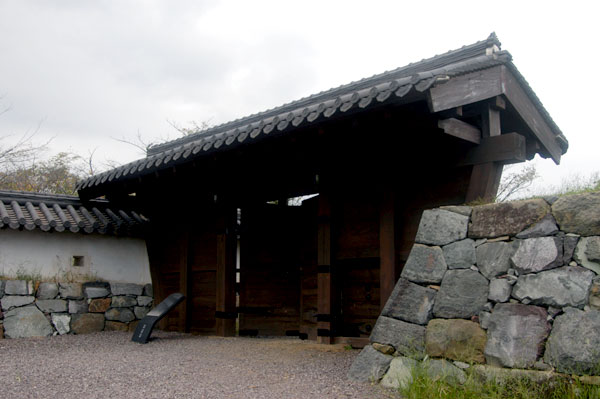
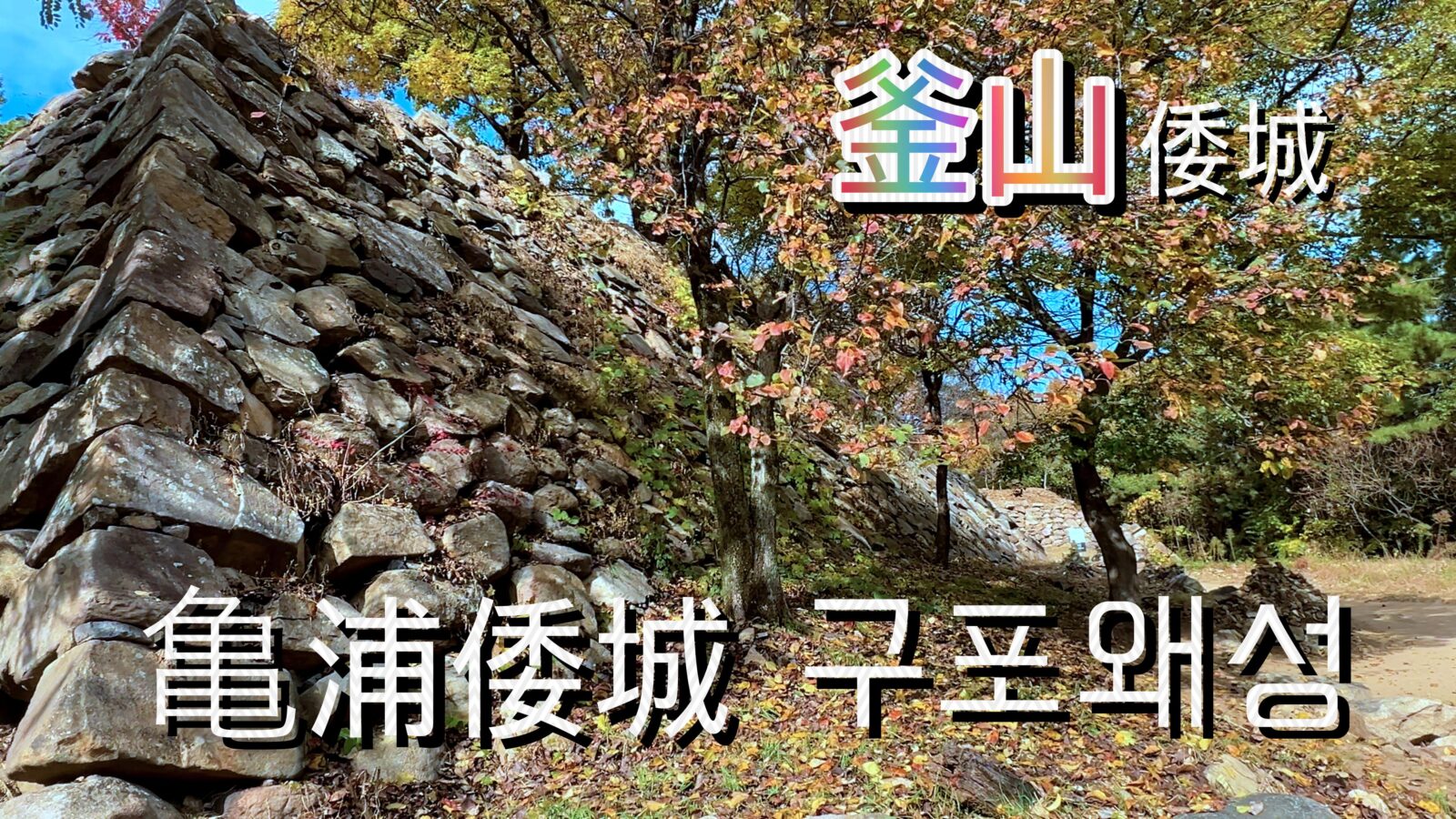
Sacheon Seonjin-ri Japanese Fortress | The History of Admiral Yi Sun-sin, the Turtle Ship, and the Joming Army Tomb
Sacheon Seonjin-ri Waeseong Castle, located in Sacheon City, Gyeongsangnam-do, South Korea, is a historical site showcasing the history of the Japanese invasion of Korea, including the Battle of Sacheon, where Admiral Yi Sun-sin and his turtle ships played a key role, the Battle of Sacheon in 1598, and the nearby Jomyeon Army Tomb. -
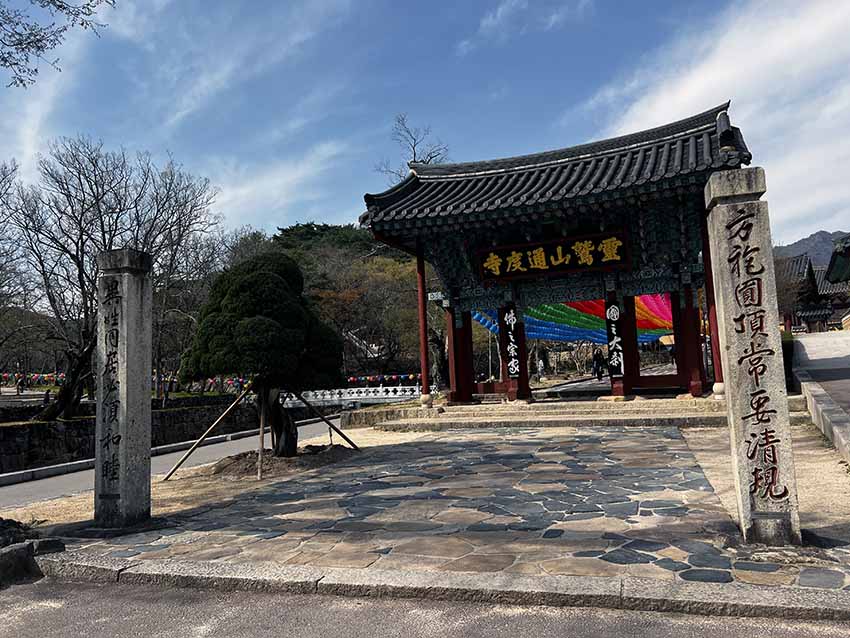
Tongdosa Temple | One of Korea's three major temples, a renowned temple registered as a World Heritage Site.
Tongdosa Temple, located in Yangsan City, Gyeongsangnam-do, South Korea, is a historic temple that enshrines Buddhist relics. This article introduces the highlights of this mountain temple, a UNESCO World Cultural Heritage site, including the Daeungjeon Hall, Geumgangguedan Platform, and access information. -
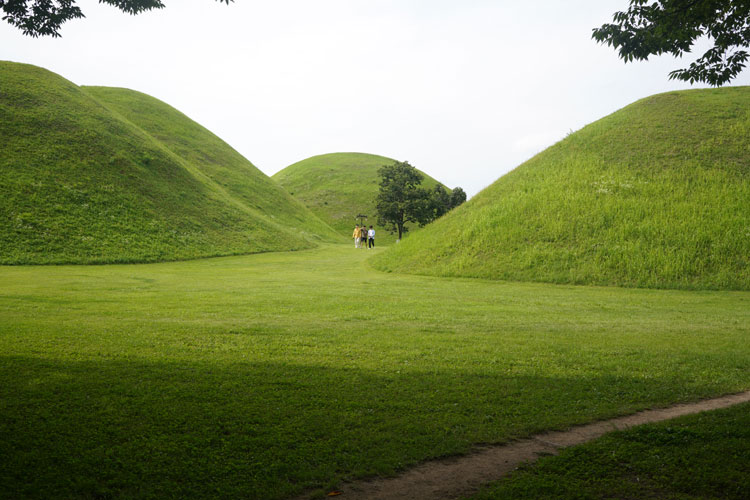
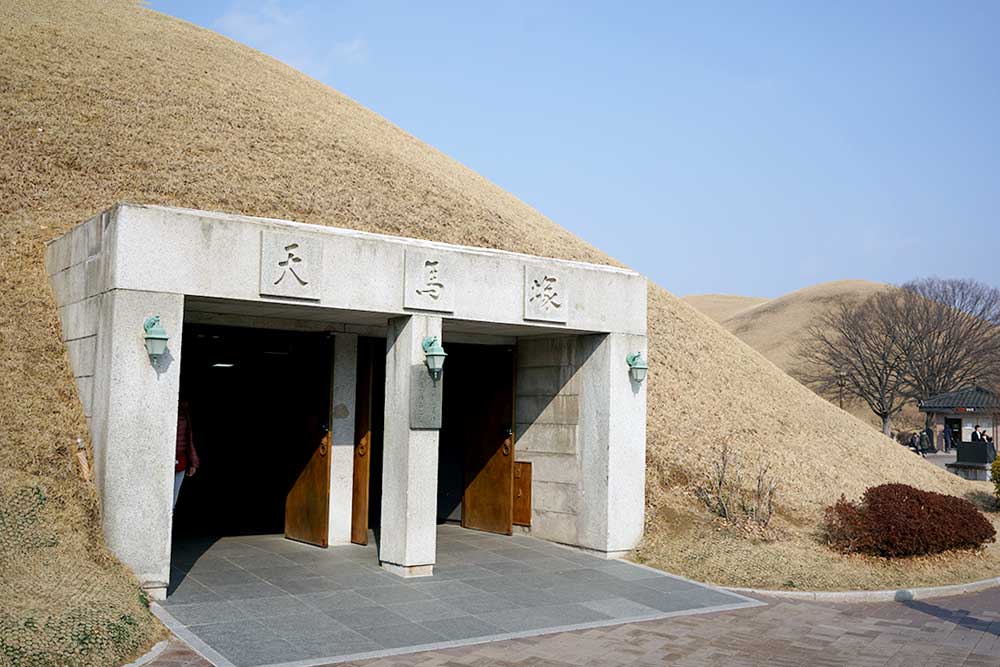
Gyeongju, Nodong-ri and Nosori Tombs | The Story of Tombs and Golden Crowns that Tell the History of Silla
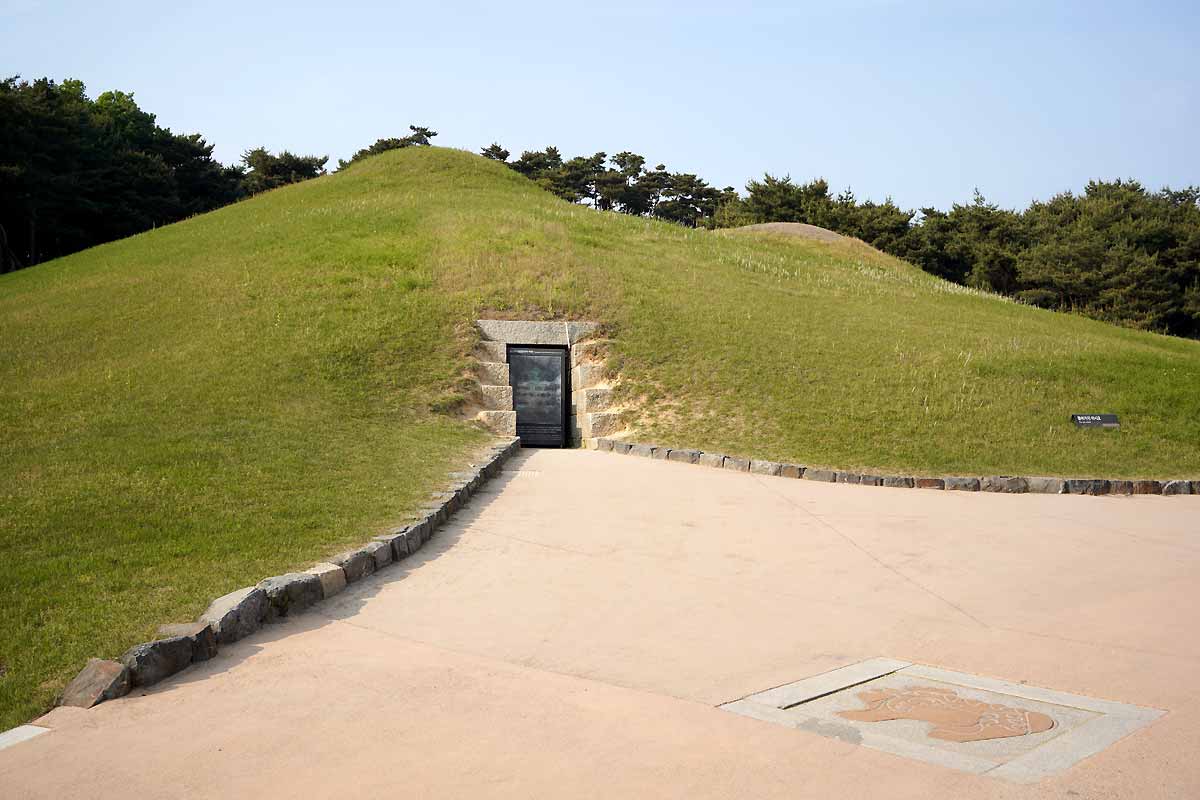
This guide introduces the Nodong-ri and Noseo-ri tombs in Gyeongju in Japanese. It explains the history, highlights, and basic information of these tombs, including the massive Bonghwangdae, Geumgwanchong (where a golden crown was discovered), Seobongchong, and Hobochong tombs of the Silla Kingdom. -
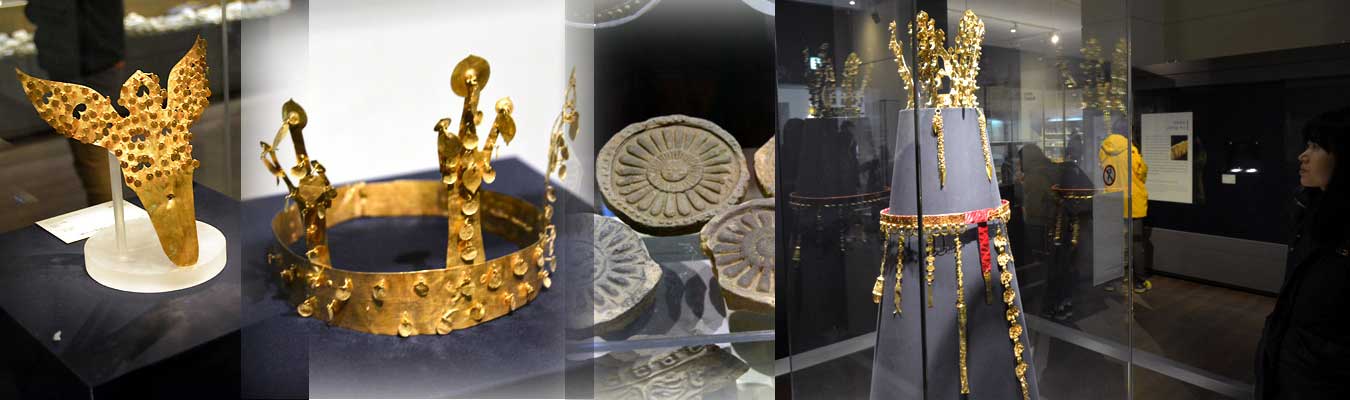
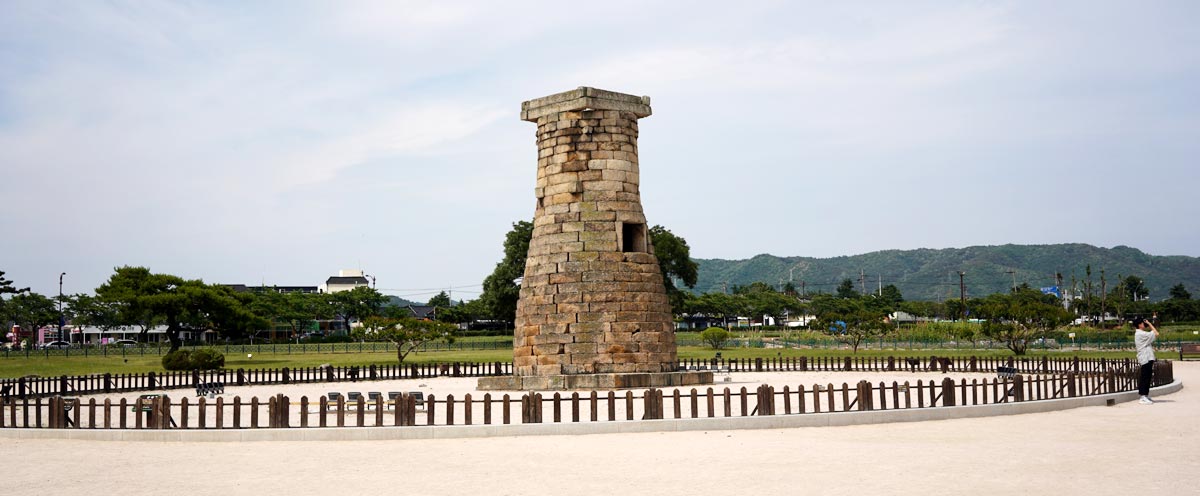
Gyeongju National Museum | Discover the Golden Culture and Thousand Years of History of the Silla Kingdom
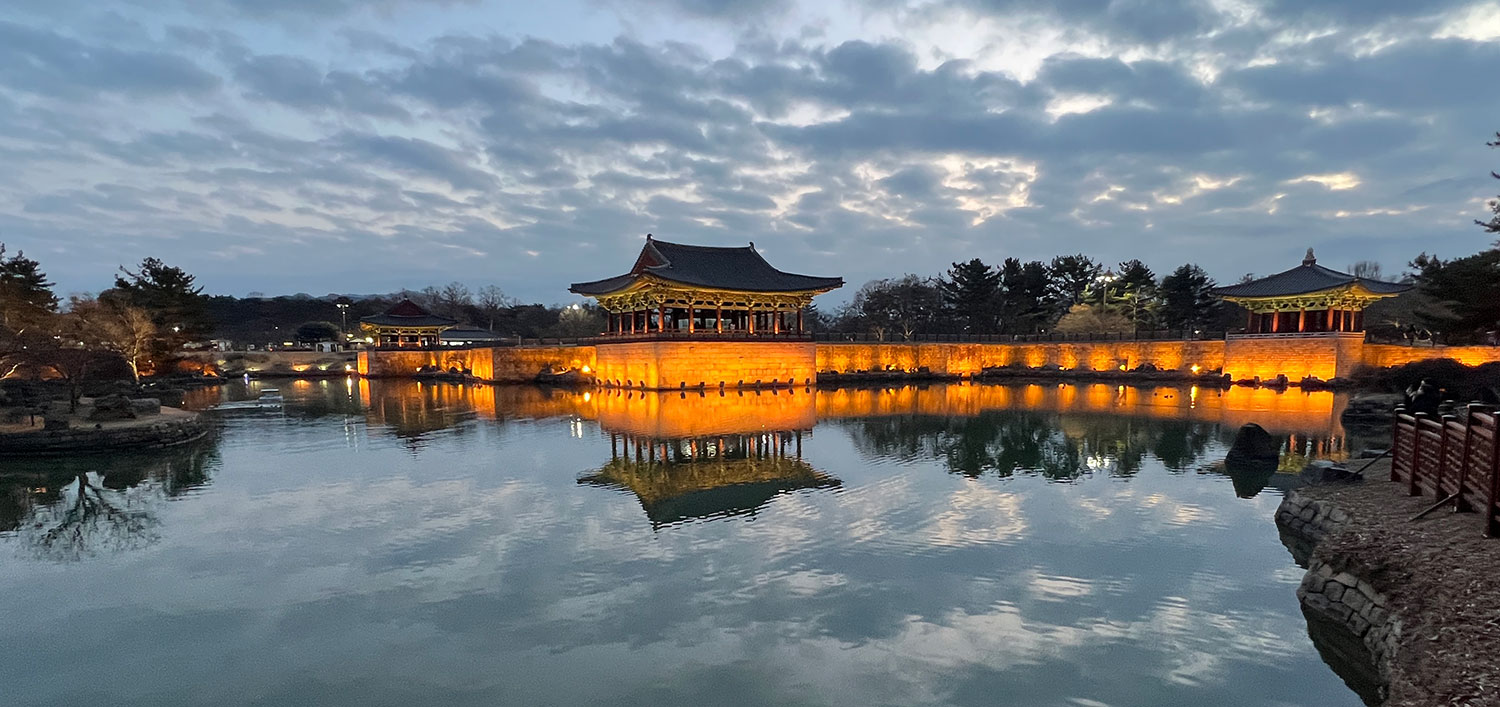
This guide introduces the highlights of the Gyeongju National Museum. We'll explain the historical sites you should visit when sightseeing in Gyeongju, including the Silla gold crown, Buddhist art, Wolji Hall, special exhibition hall, the sacred bell of King Seongdeok, and the outdoor exhibition area. -
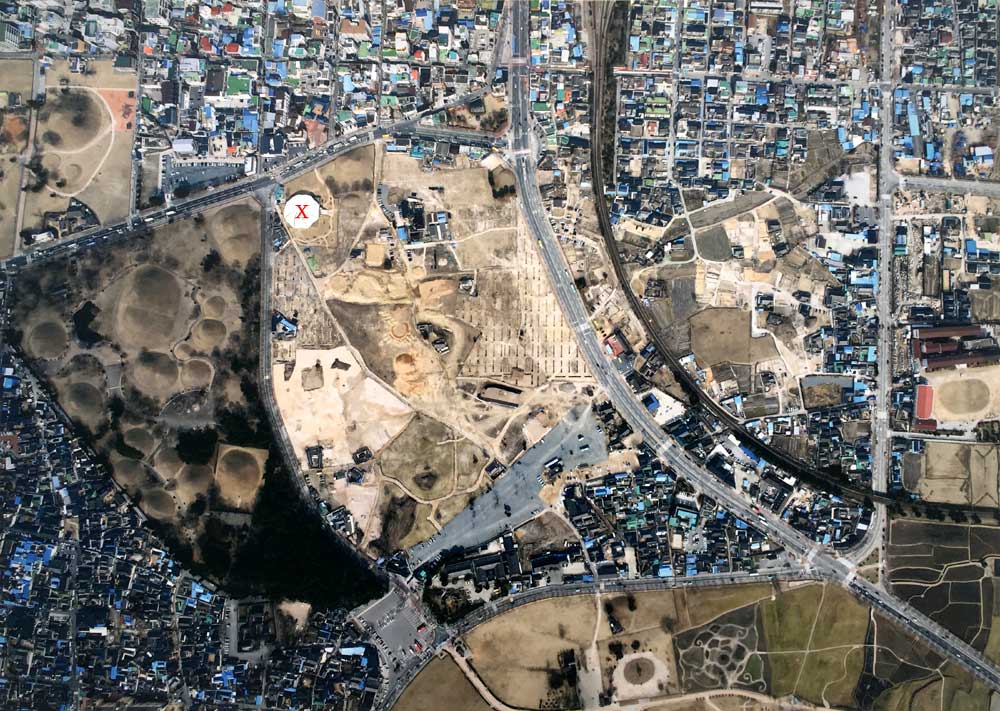
Gyeongju Cheoksam Archaeological Site Excavation Hall | Tomb No. 44, where a Silla princess rests, and 1500 years of history
Introducing the Cheoksam Archaeological Site Excavation Hall in Gyeongju. This is a place where you can learn about the history of Silla from 1500 years ago, including Tomb No. 44, which is believed to be the tomb of a Silla princess, horse trappings made with jewel beetle wings, and experiments on tomb construction. -
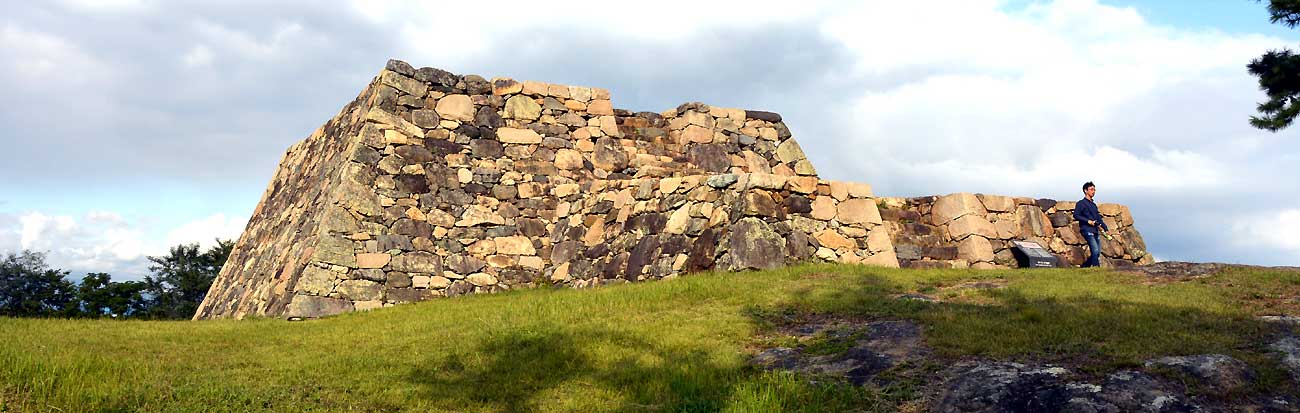
Suncheon Waeseong (Suncheon Japanese Fortress)
This article introduces Suncheon Waeseong, a Japanese-style castle located in Suncheon City, South Korea. It covers the battles that took place there, including the Battle of Noryang where Admiral Yi Sun-sin lost his life, the Battle of Waegyo Castle, and the end of the Japanese invasions of Korea (Bunroku-Keicho War). -
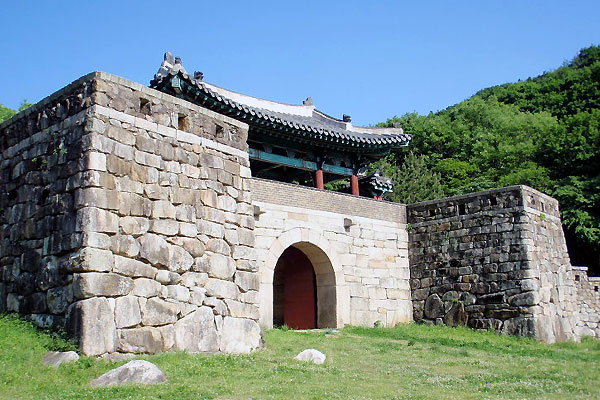
Busan-Geumjeongsan National Park and Geumjeongsanseong Fortress
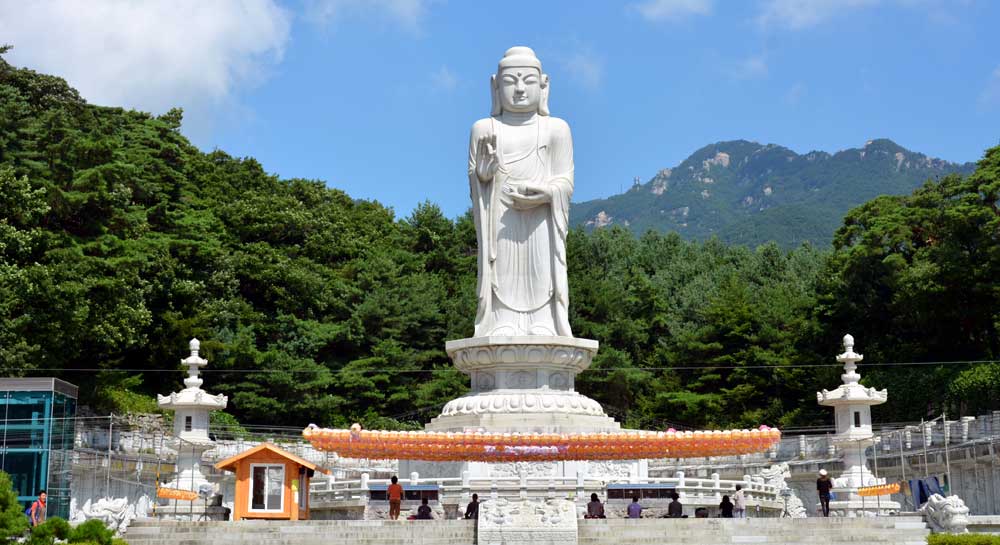
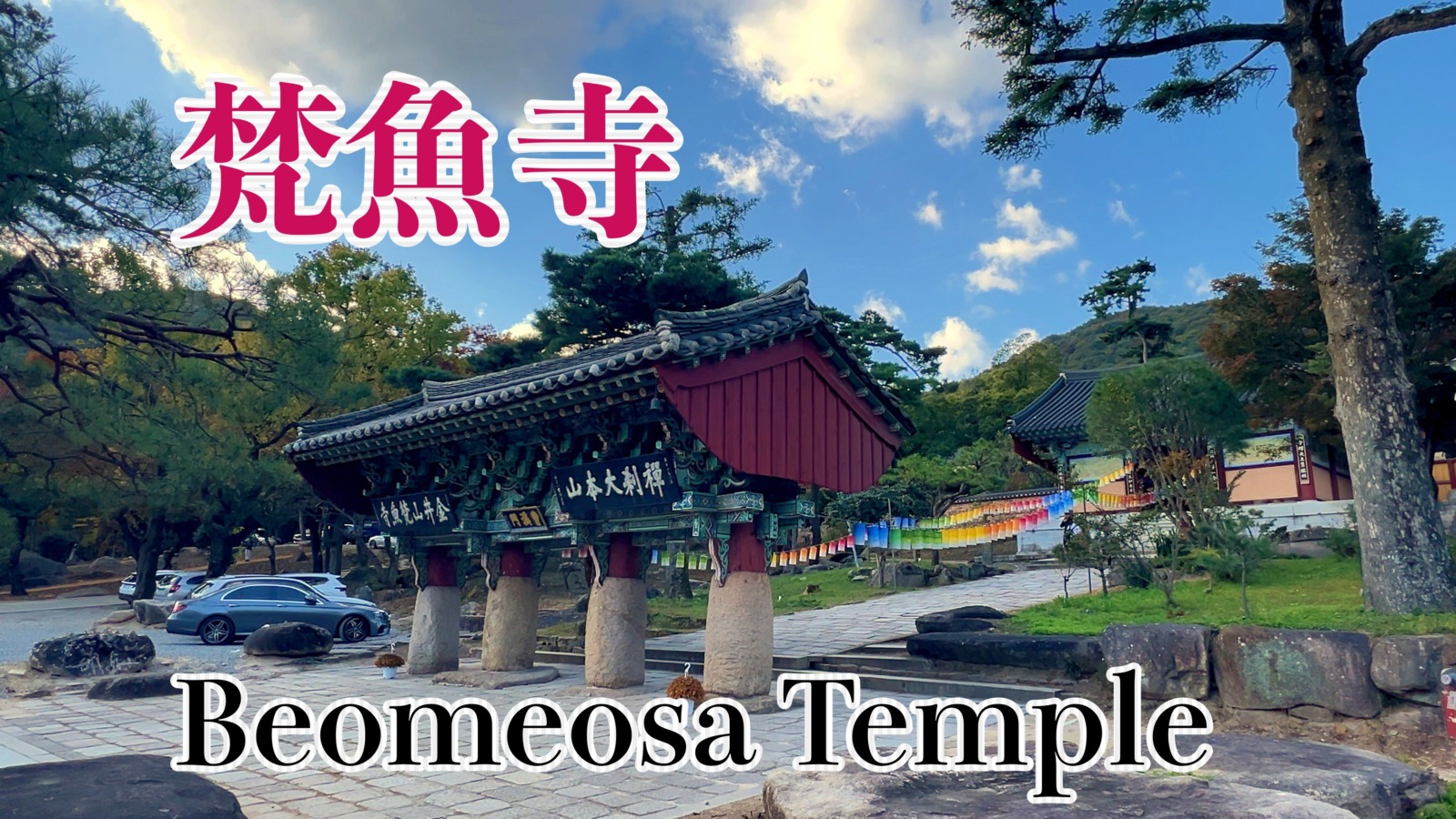
Geumjeongsan National Park, designated as South Korea's 24th National Park in 2026, offers a wealth of tourist information to enjoy Busan's nature and history, including the history of Geumjeongsanseong Fortress, hiking from the North Gate to Gudangbong Peak, the famous goat meat dishes around the East Gate, and Beomeosa Temple. -
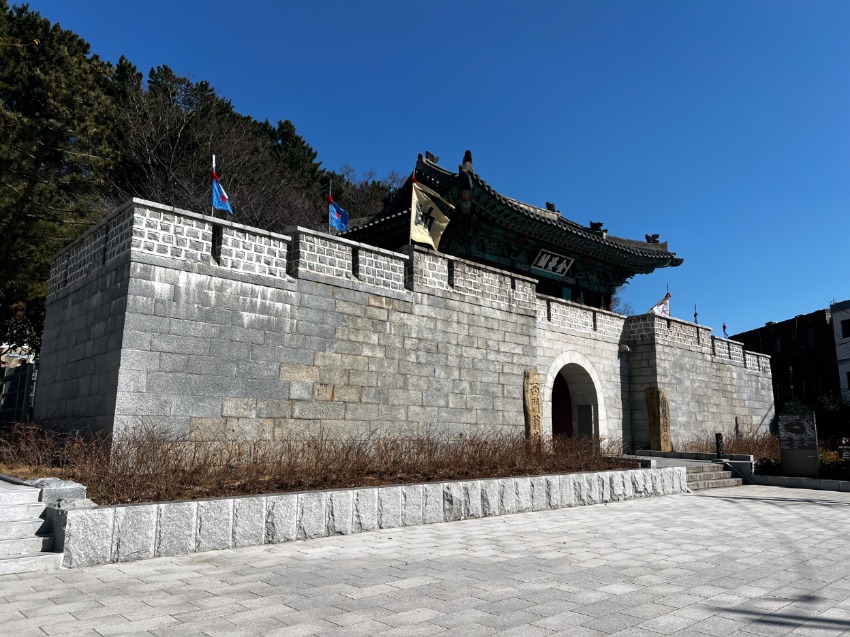
Busan Jinseong Park (Busan Jinseong Park / Jaseongdae Japanese Castle)
This article introduces Busan Jinseong Park in Dong-gu, Busan. It explains the history of Jaseongdae Japanese Fortress, its relationship with the Imjin War and the Korean navy, the city walls, Geumpigan Pass, Seunggajeong Pavilion, the Yinggatae Pavilion associated with the Korean diplomatic missions, and access information. -
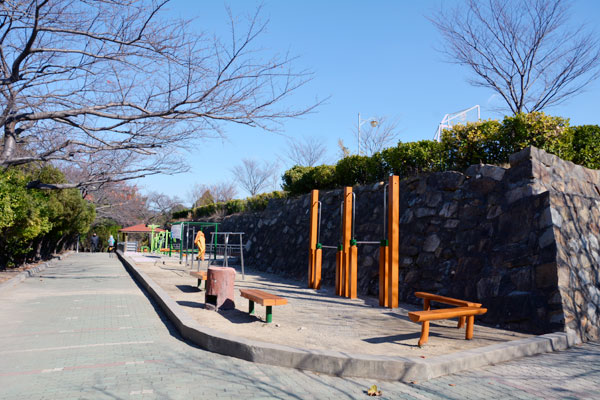
Busanpo Waeseong (Busanpo Japanese Fortress / Jeungsan Japanese Fortress)
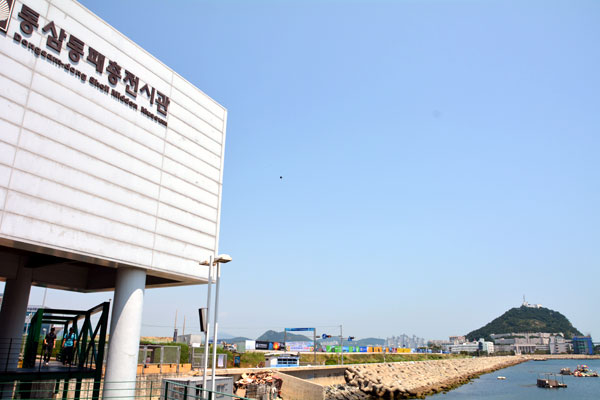
This article introduces Busanpo Waeseong (Jeungsan Waeseong) in Busan's Dong-gu district. It explains the history of its construction around 1593, the existing stone walls, the view of Busan Port, its relationship with Jeungsan Park and Jaseongdae Waeseong, and how to access it. -
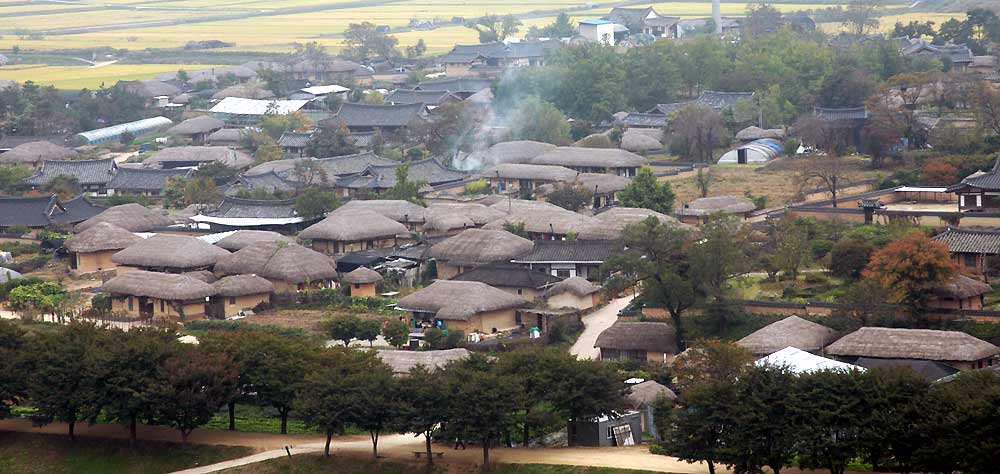
Andong Hahoe Village
Hahoe Village in Andong, South Korea, is a traditional settlement registered as a UNESCO World Cultural Heritage site. It showcases Korean history and culture, including traditional Korean houses with tiled and thatched roofs, Hahoe Byeolsin Guttall Nori (a type of Korean music), and the breathtaking views of Buyongdae Park. -
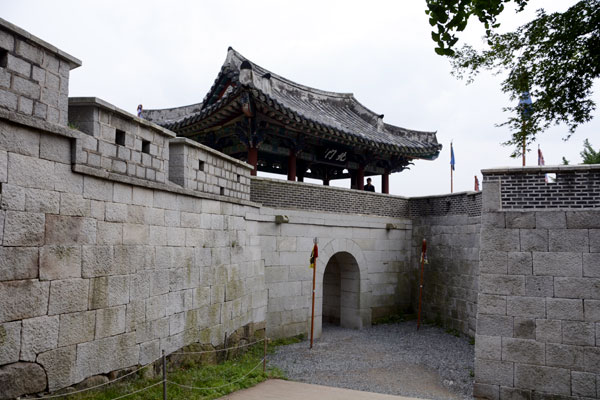
Dongnae-eup Fortress | A Busan castle ruin that tells the history of the Imjin War
This page introduces the history and highlights of Busan's Dongnae-eupseong Fortress in Japanese. It includes information on the Battle of Dongnae Fortress during the Imjin War, the North Gate, the North Commander's Pavilion, the Insaeng Gate, access to the Dongnae-eupseong Fortress History Museum, and surrounding tourist attractions. -
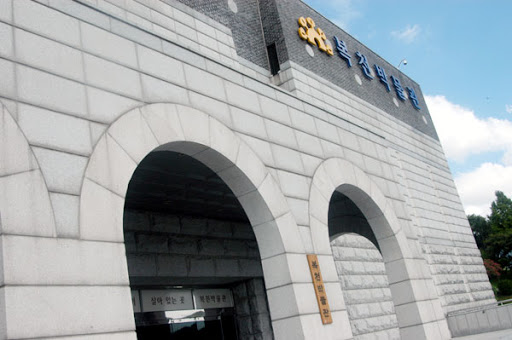
Busan Bokcheon Museum | A historical site where you can encounter the ancient culture and iron age civilization of Gaya.
This article introduces the Bokcheon Museum in Dongnae, Busan. It covers the iron age culture of Gaya, armor and pottery unearthed from tombs, its connections to ancient Japanese history, the highlights of the Bokcheon-dong tomb complex, and tourist information such as access and opening hours. -
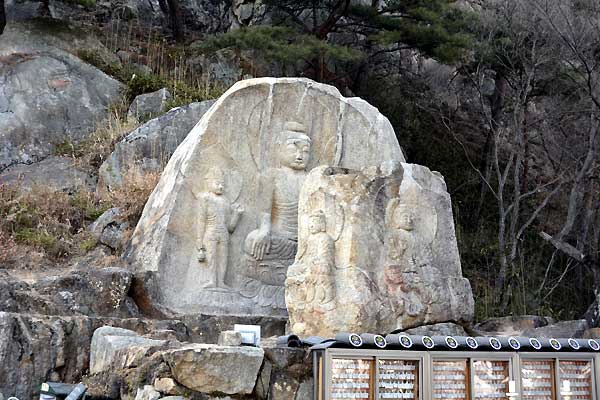
Gyeongju's Chilbulam and Shinseonam | Silla Buddhist Art Carved into the Cliffs of Namsan Mountain
This guide introduces Chilbulam and Shinseonam in Namsan, Gyeongju, in Japanese. It explains the highlights of the Chilbulam cliff carvings (a national treasure) and the Shinseonam cliff carving of a half-seated Bodhisattva, as well as access information and precautions for hiking. -
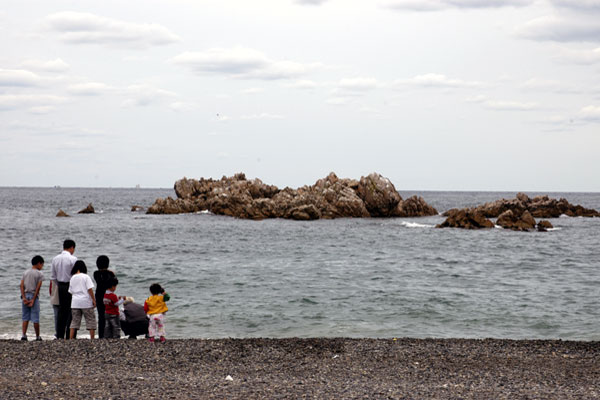
Gyeongju - King Munmu's Tomb (Sea Tombs)
The Tomb of King Munmu in Gyeongju is an underwater royal tomb of the Silla king located in the East Sea. We will introduce the history of King Munmu, who achieved the unification of the Three Kingdoms, the legend of him protecting the country as a dragon, and nearby attractions such as the site of Gam-eunsa Temple and Imi-dae Pavilion. -
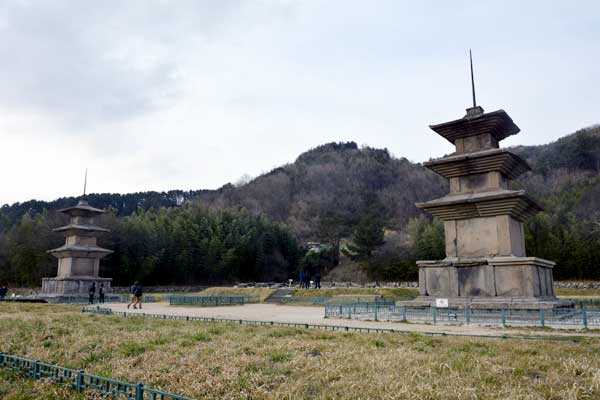
Gyeongju, Gam-eunsa Temple Site
The Gam-eunsa Temple Site in Gyeongju is the remains of a national temple built during the Unified Silla period. We will introduce historical spots on the east coast, including the national treasure East and West three-story stone pagodas, legends of King Munmu, and the nearby King Munmu's tomb and Imi-dae Pavilion. -
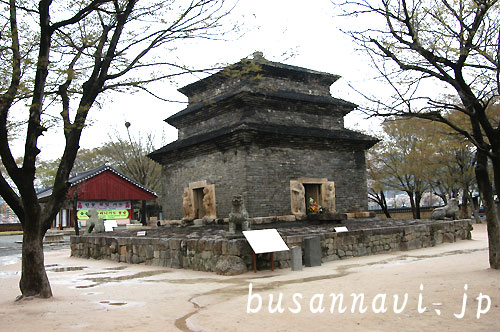
Gyeongju - Bunhwangsa Temple | An ancient temple that houses a national treasure, a replica brick pagoda, from the Silla period.
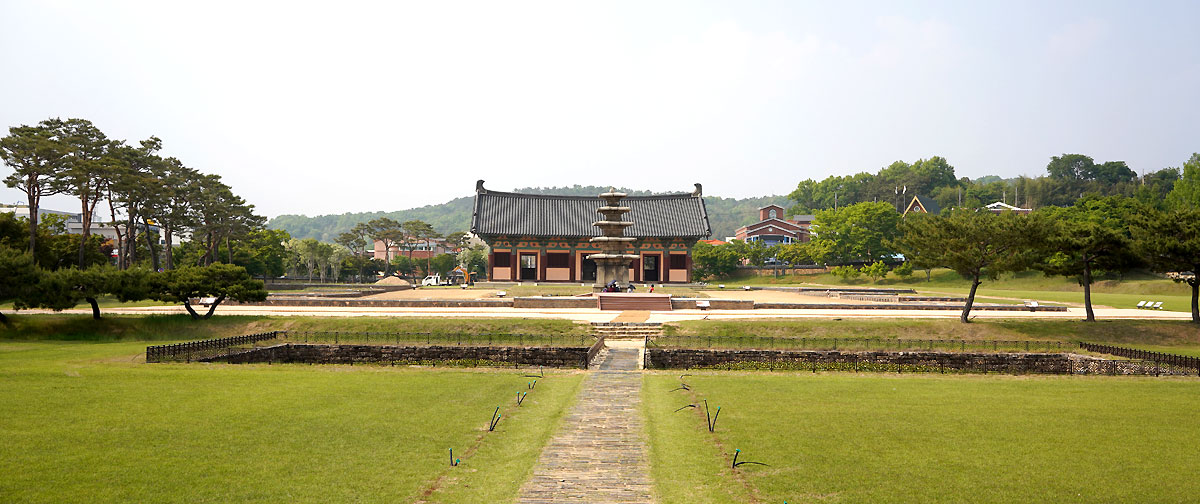
This article introduces Bunhwangsa Temple in Gyeongju. Founded during the reign of Queen Seondeok, this ancient temple boasts numerous attractions, including the national treasure Bunhwangsa Stone Pagoda, the Samryongbyeon-eok Well, and historical sites associated with the monk Wonhyo. -
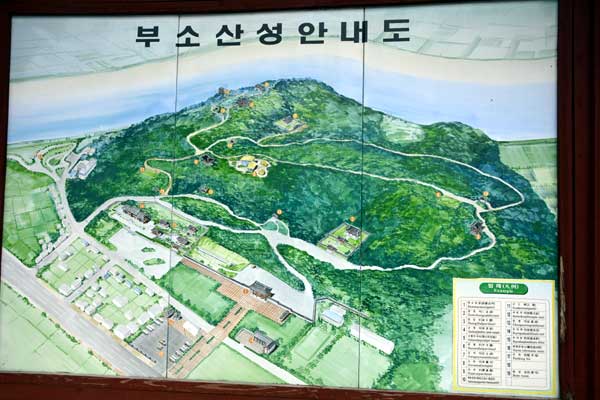
Busosanseong Fortress | The mountain fortress that overlooked the last capital of Baekje
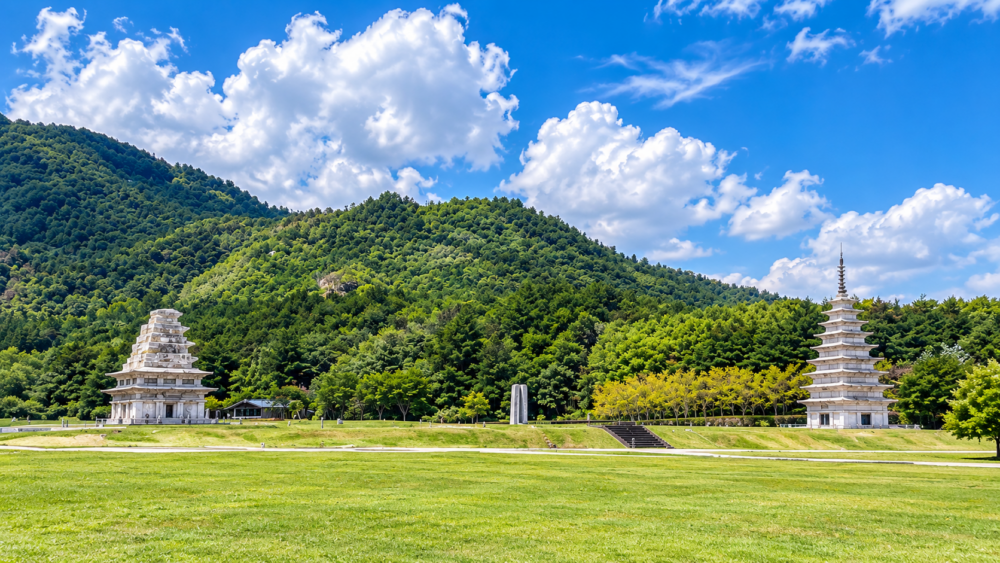
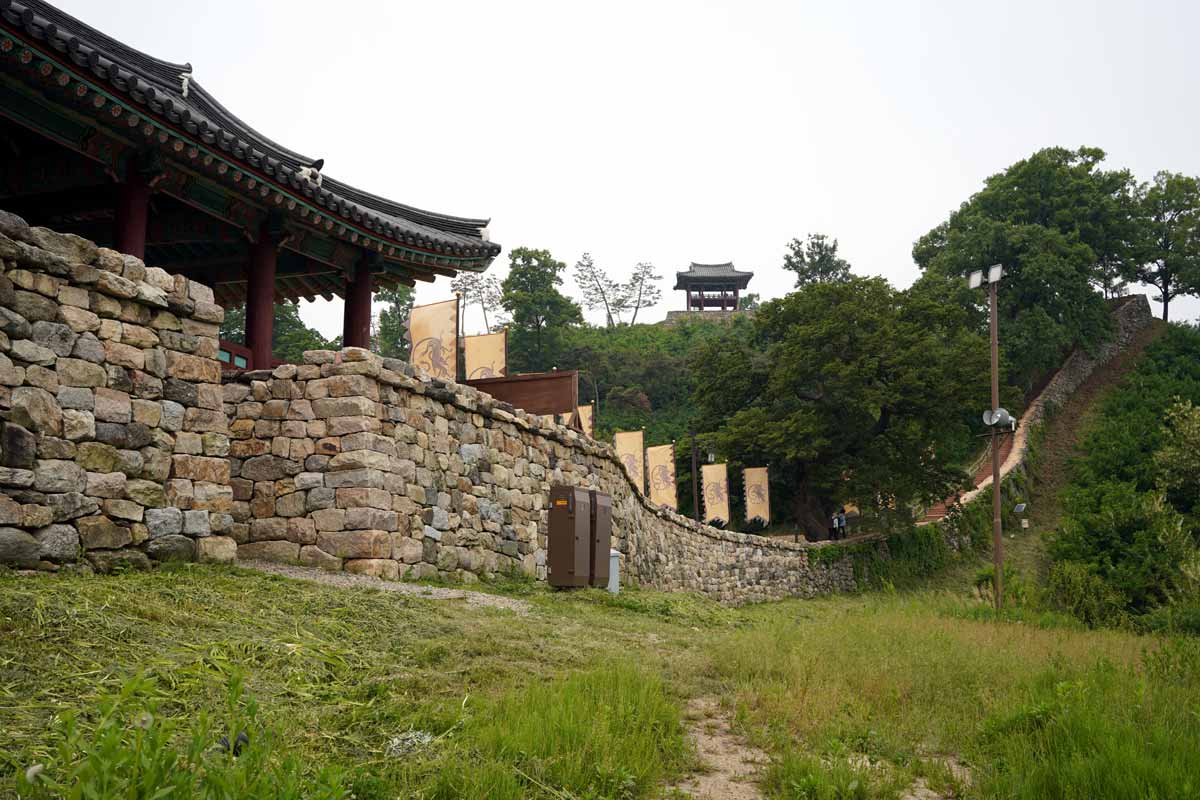
Introducing Busosanseong Fortress in Buyeo, South Korea. This mountain fortress defended Sabi, the last capital of Baekje, and offers a chance to enjoy the history of Baekje and beautiful scenery, including Nakwaam Rock, Goransa Temple, and the Baekma River. -
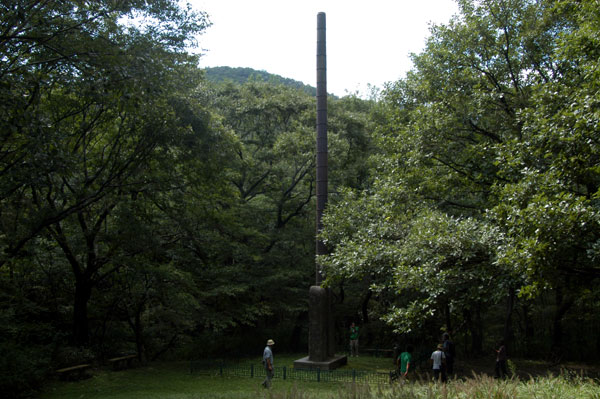
Gyeryongsan Gapsa Temple
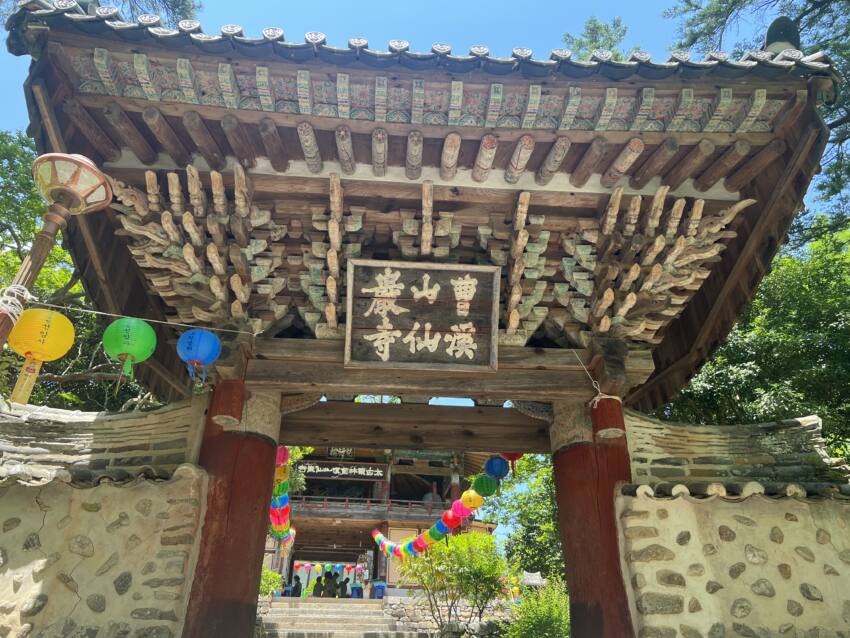
This article introduces Gapsa Temple, located on Gyeryongsan Mountain in Gongju, Chungcheongnam-do. We'll highlight Gapsa Temple's attractions, including its iron banner poles and supports, historical temple architecture, beautiful approach to the temple, and autumn foliage, allowing visitors to enjoy both Korean nature and history. -
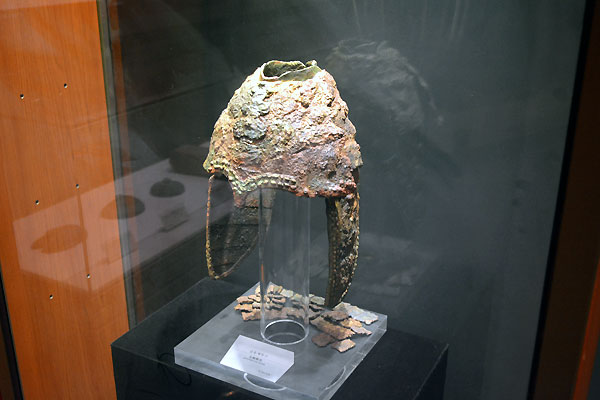
Hapcheon Museum and Tamada Tombs
This article introduces the Hapcheon Museum and the Okjeon Tombs in Hapcheon, Gyeongsangnam-do. As part of the World Heritage Site "Gaya Tombs," visitors can see valuable artifacts from ancient Gaya, including a dragon and phoenix-patterned ring-pommel sword, armor, horse trappings, gold earrings, and Roman glass.