
Castle– Category –
-
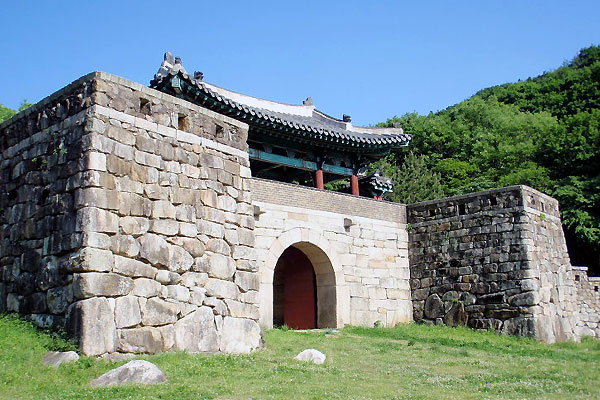
Busan-Geumjeongsan National Park and Geumjeongsanseong Fortress
Geumjeongsan National Park, designated as South Korea's 24th National Park in 2026, offers a wealth of tourist information to enjoy Busan's nature and history, including the history of Geumjeongsanseong Fortress, hiking from the North Gate to Gudangbong Peak, the famous goat meat dishes around the East Gate, and Beomeosa Temple. -
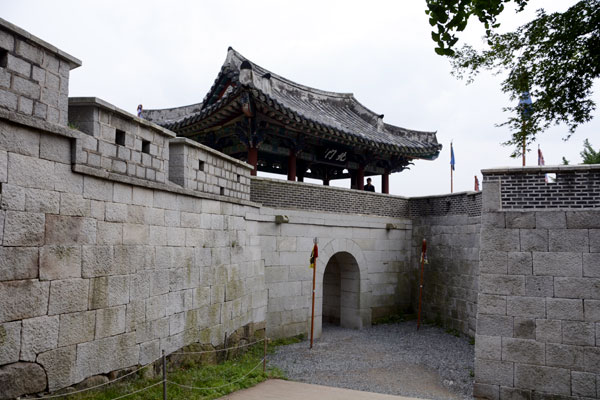
Dongnae-eup Fortress | A Busan castle ruin that tells the history of the Imjin War
This page introduces the history and highlights of Busan's Dongnae-eupseong Fortress in Japanese. It includes information on the Battle of Dongnae Fortress during the Imjin War, the North Gate, the North Commander's Pavilion, the Insaeng Gate, access to the Dongnae-eupseong Fortress History Museum, and surrounding tourist attractions. -
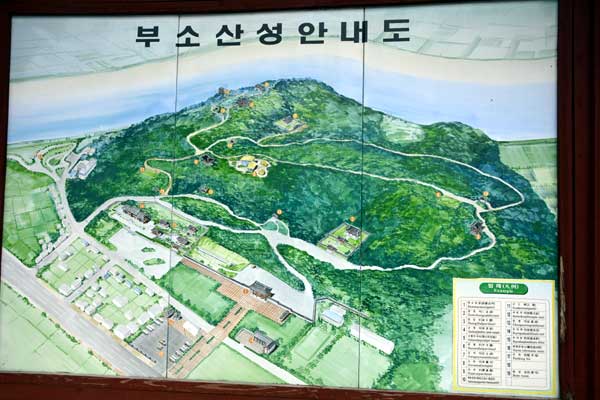
Busosanseong Fortress | The mountain fortress that overlooked the last capital of Baekje
Introducing Busosanseong Fortress in Buyeo, South Korea. This mountain fortress defended Sabi, the last capital of Baekje, and offers a chance to enjoy the history of Baekje and beautiful scenery, including Nakwaam Rock, Goransa Temple, and the Baekma River. -
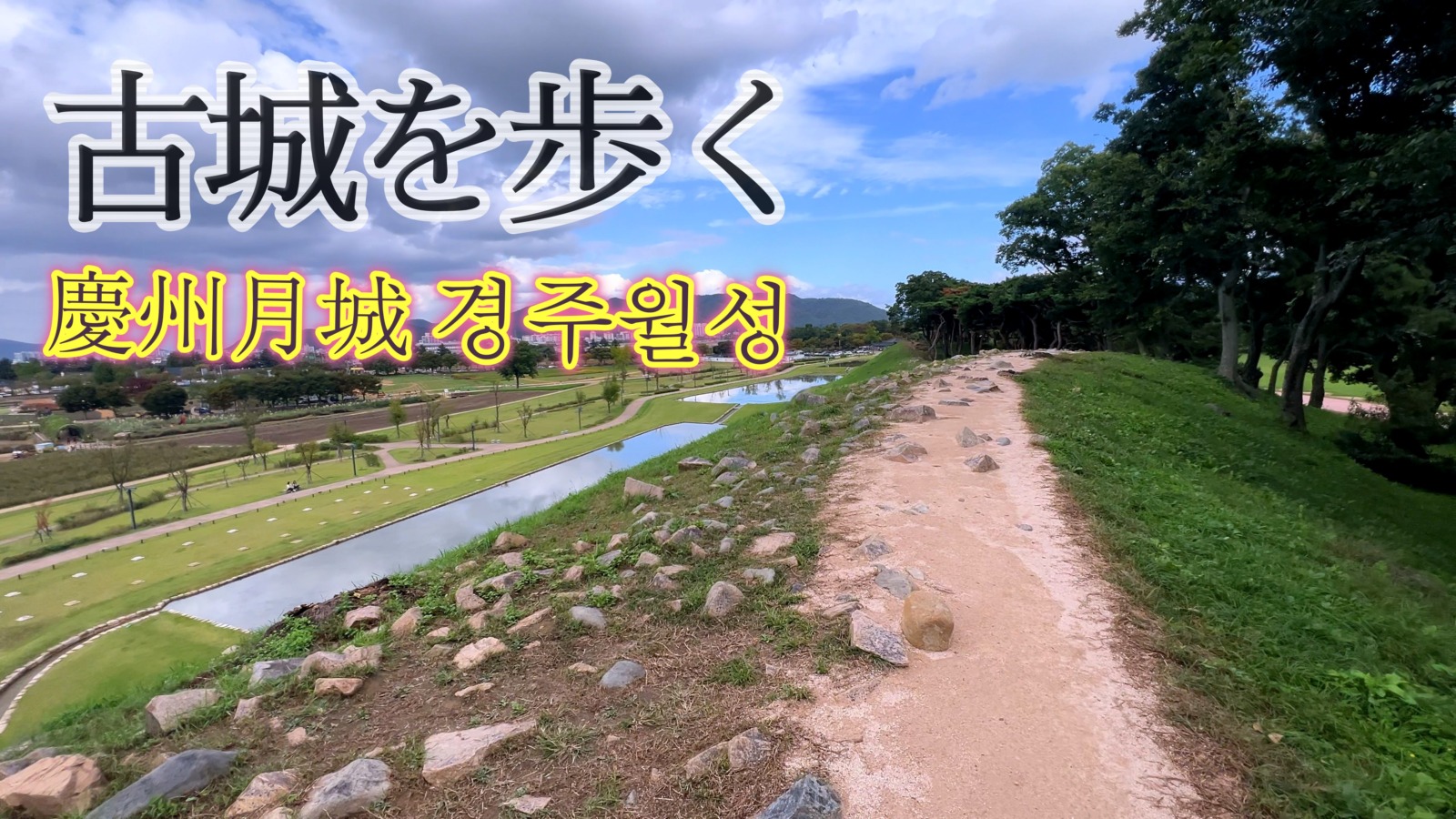
Gyeongju Wolseong Fortress
A must-see for history buffs! Wolseong in Gyeongju is the crescent-shaped ancient royal castle of Silla. Explore this fascinating ruin, which combines defense and scenic beauty. -
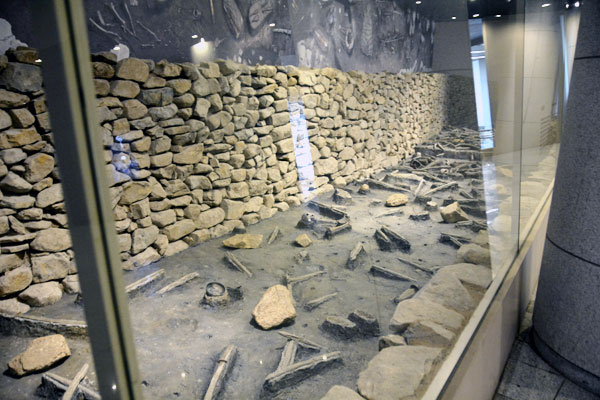
Dongnaeeupseong Fortress Imjin War History Museum
In April 2005, the moat of Dongnaeupseong Fortress was discovered at the construction site of Suan Station on Busan Urban Railroad Line 4. Excavations were carried out five times between July 4 and August 2005, and the remains of about 7 people who were killed in the Battle of Dongnaeupseong Fortress during the Imjin War, as well as various weapons, were unearthed... -
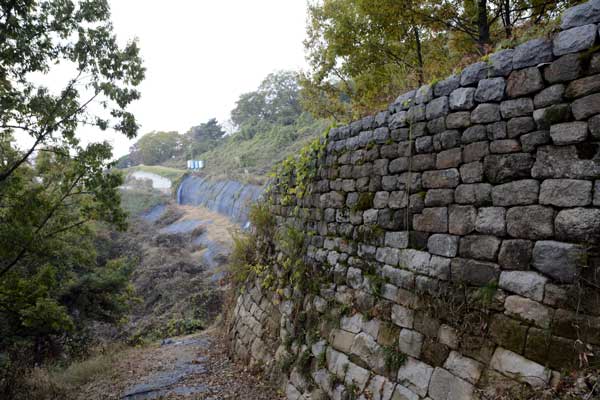
Buyeo Seongheungsanseong Fortress (Buyo Galimseong Fortress)
This castle was also the base for the Baekje restoration movement that arose after Baekje was destroyed by the combined forces of Silla and Tang. -
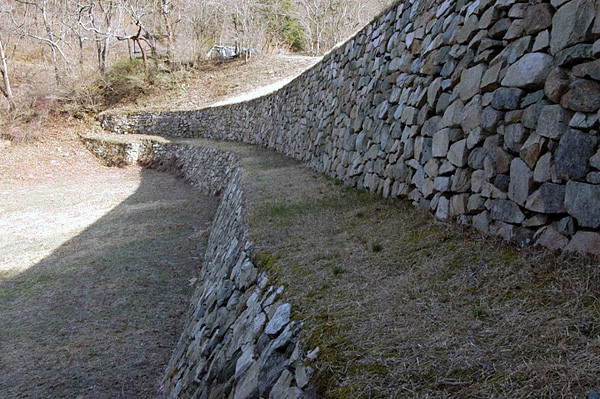
Akiyoshiyama Castle
A stone fortress built in the early 5th century during the Silla period -
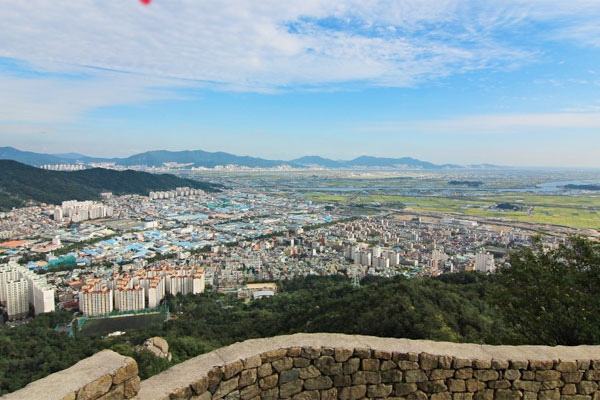
Bunsanseong Fortress
A mountain fortress with a panoramic view of Gimhae city, the capital of Geumgwan Gaya, the land of iron. Hello, if you take the Busan Gimhae Light Rail from Sasang Station on Busan Subway Line 2, you can go around Gimhae city, where the remains of Geumgwan Gaya, the kingdom that flourished in iron culture for 491 years until it was annexed by Silla in 532, remain... -
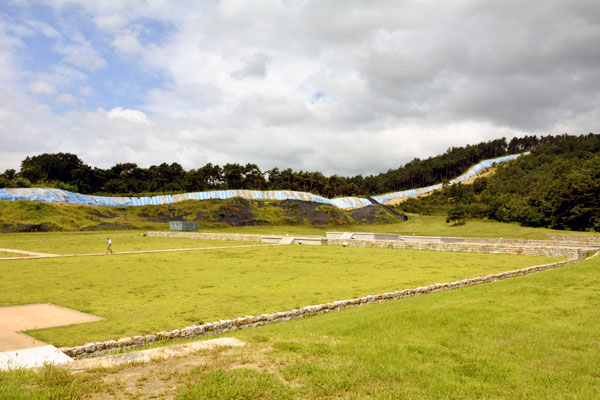
Buyeo Naseong Castle
Hello, this is a wall made of earth that was built around the outer perimeter of Buyeo, taking advantage of the natural terrain to protect Sabi, the capital of Baekje. Buyeonaseong, which was built during the reign of King Seong (24th king, 523-554), is located about 300 meters away from Busosanseong Fortress in Buyeo city. -
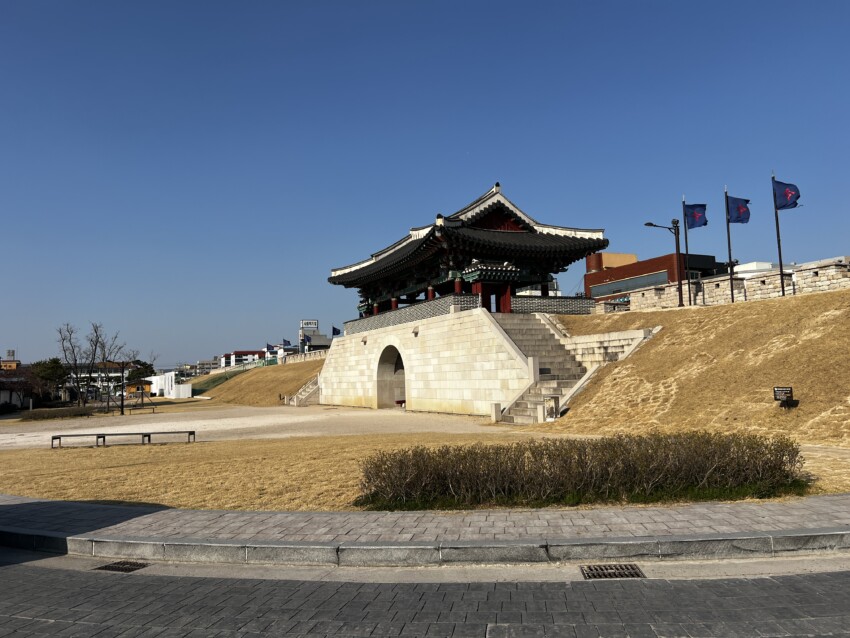
Gyeongju Eupseong
Gyeongju is a place where you can feel the breath of a thousand years of history, and many ruins from the Goryeo and Joseon dynasties remain in the city. Near Seongdong Market in front of the old Gyeongju Station is the site of Gyeongju Eupseong Fortress, which is estimated to have been built in the 3rd year of King Hyeonjong's reign (1012) during the Goryeo Dynasty. Dongbu-dong and... -
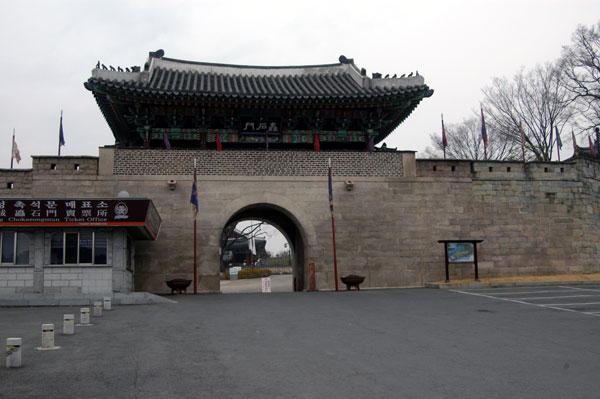
Jinjuseong Fortress
The castle where the fiercest battles were fought during the Bunroku Invasion (the first Japanese invasion of Korea in 1592) -
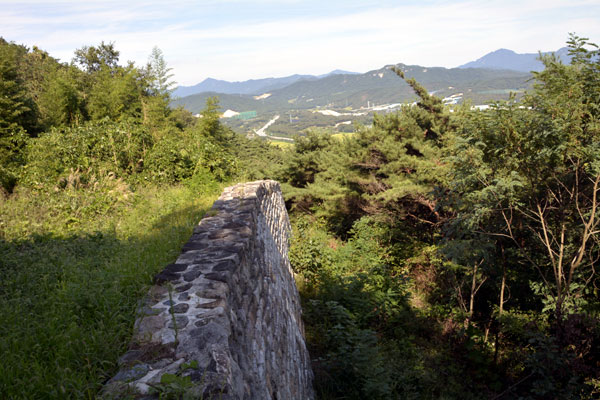
Gyoryongsanseong Fortress
Gyoryongsanseong Fortress, built along the ridgeline overlooking Namwon city, is an ancient mountain fortress believed to have been built during the Baekje period. Located on Gyoryongsan Mountain at an altitude of 518m, this mountain fortress is believed to have been built by Baekje to prevent the invasion of Silla, but the few remaining stone walls and Namwon city walls... -
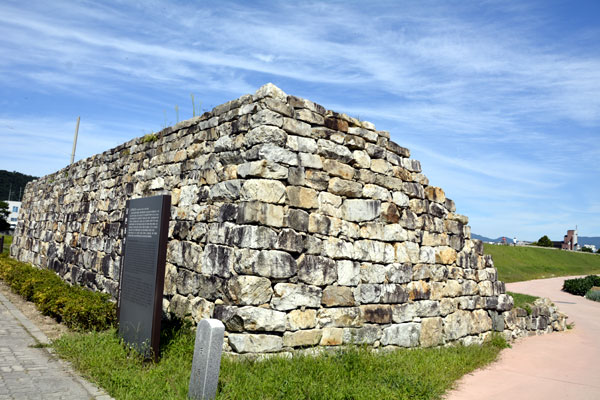
Namwon Eupseong
Namwon Eupseong Namwon had a small capital that was in charge of local administration during the Unified Silla period, and it seems that it also had a suitable fortress, but this castle was repaired and significantly expanded during the Jeongyu War in 1597. At that time, fierce fighting took place between the allied forces of Japan and the Ming Dynasty, who were trying to attack Jeolla Province, and the castle was used as a military base. -
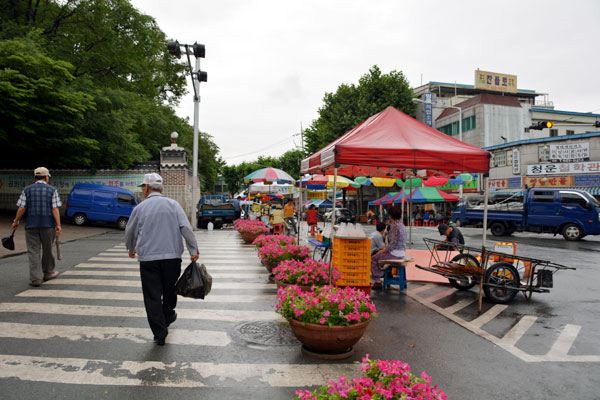
Dalseong Park
スポット名達城公園달성공원住所大邱広域市 中区 達城洞 294-1대구광역시 중구 달성동 294-1電話番号053-554-7907時間05:00~21:00 7~8月 05:00~23:00時代三韓時代(達句伐)休業日なしサイトhttp://www.daegu.go.kr/Dalseongpark/ -
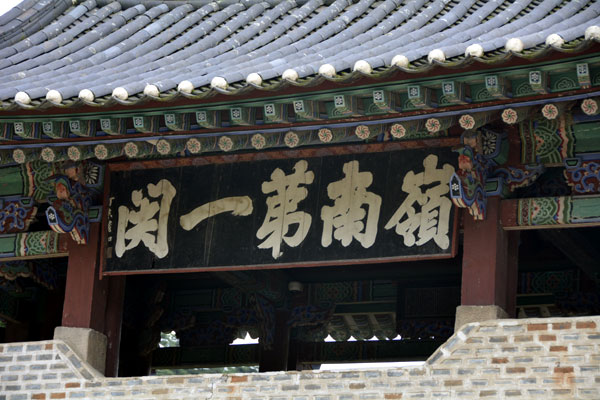
Mungyeongsaejae Provincial Park
Many tourists visit this mountain pass from the Joseon Dynasty that connects Gyeongsang-do and Seoul in a short distance. Hello, Mungyeongsaejae, located almost halfway between Busan and Seoul, is a mountain pass that played an important role as a road on the Yeongnamdaero road that connected the Yeongnam region (Gyeongsang-do) and Hanyang (Seoul) in a short distance during the Joseon Dynasty. ... -
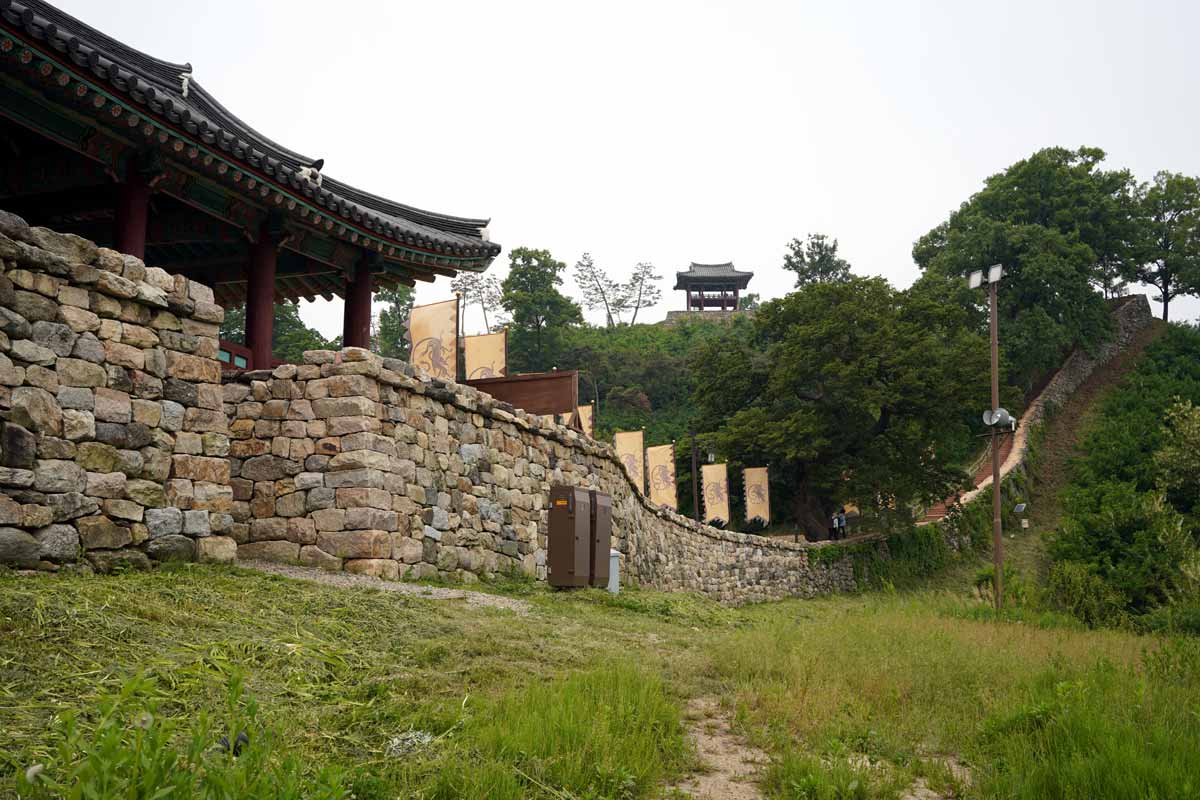
Gongsanseong Fortress of Baekje
Gongsanseong Fortress was built to protect Ungjin (now Gongju City, South Chungcheong Province), the capital of Baekje for 538 years over five generations until 16 (the 5th year of King Seong's reign) when the capital was moved to Buyeo. It was built to surround the peak of Mt. Gongsan, 64 meters above sea level, to its western peak... -
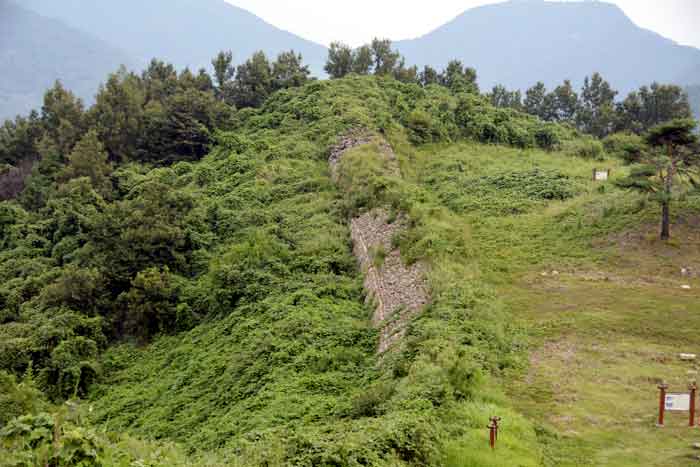
Gwangyang Marosanseong Fortress
Marosanseong Fortress in Gwangyang, South Jeolla Province is a Baekje-era fortress that surrounds the top of Marosan Mountain, 3 meters above sea level, located about 208.9 kilometers east of Gwangyang City. The fortress is located like a horse's saddle, with both sides of the mountain high and the middle low. South... -
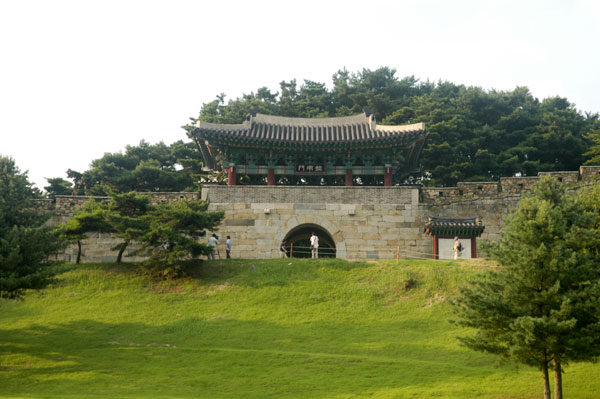
Kamitoyama Castle
Sangdangsanseong Fortress, which surrounds the top of a mountain adjacent to Cheongju city in Chungcheongbuk-do, is a large-scale mountain fortress with stone walls covering an area of about 22 square meters and a total length of 4.2 kilometers. The name Sangdangsanseong comes from the fact that the Cheongju region was called "Sangdanghyeon" in Baekje during the Three Kingdoms period... -
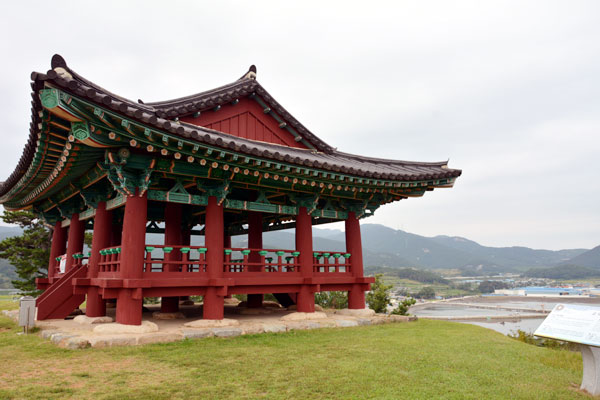
Cheonghaejin Jangbogo Relics
The remains of Jang Bogo, a Silla general who dreamed of a great maritime empire. Designated as Historic Site No. 1984 on September 9, 1, Cheonghaejin Jang Bogo Remains is known as the place where Cheonghae ambassador Jang Bogo (?-308) led an army of 846 troops and prospered maritime trade during the Unified Silla period.
1