Japanese-style castles from the late 16th century, known as "Waeseong," remain in Korea.
Visit Japanese-style castles built during Toyotomi Hideyoshi's invasion of Korea.
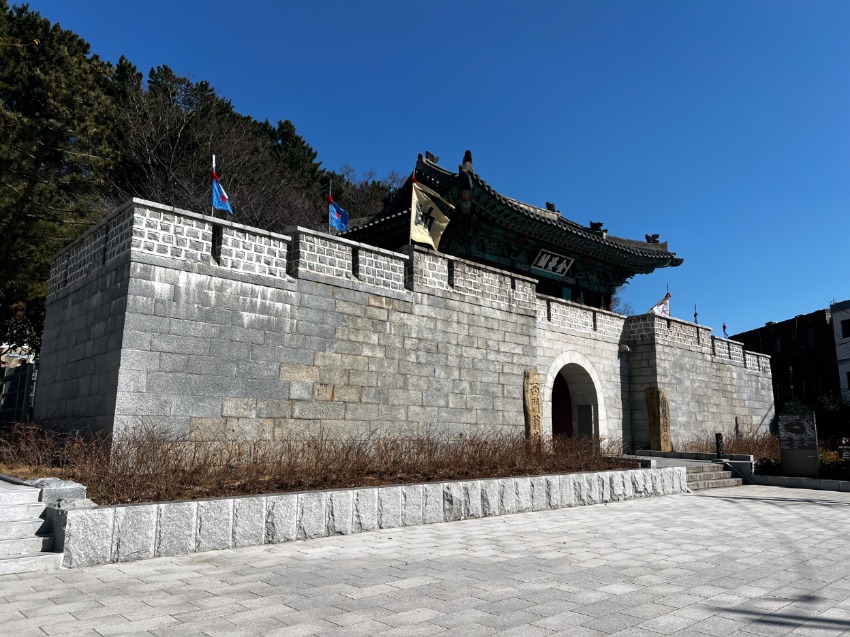
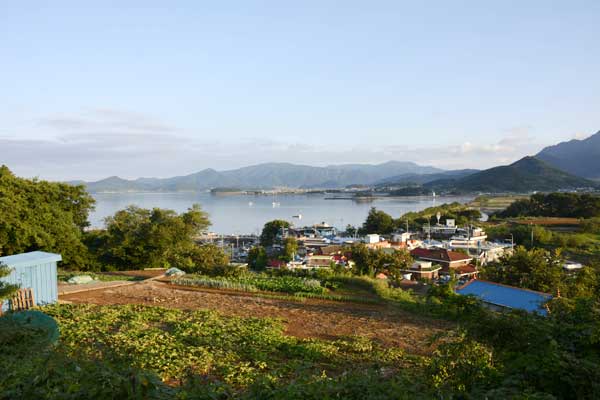
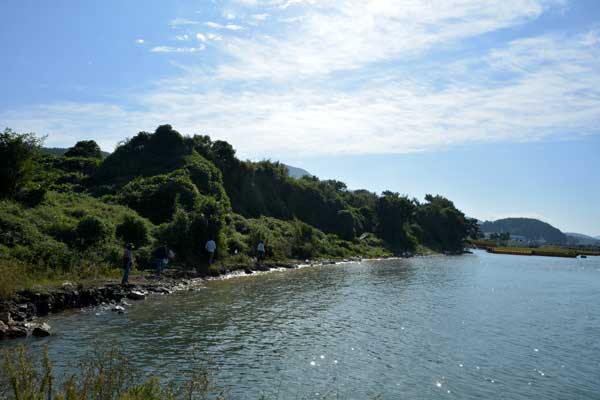
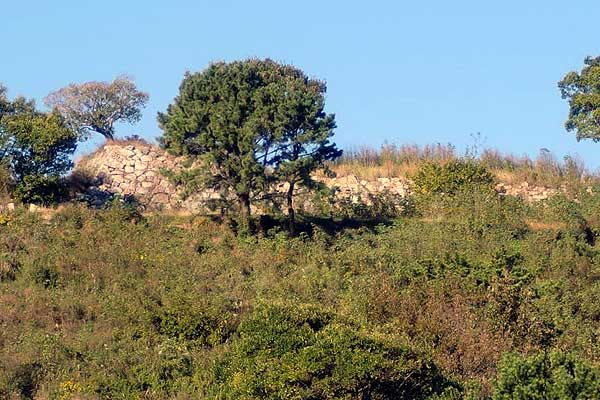
In the coastal regions of southern South Korea, there are still remnants of Japanese-style castles known as "Waeseong" (Japanese fortresses, Korean: 왜성).
These castles were military strongholds primarily built by the Japanese army at the end of the 16th century during Toyotomi Hideyoshi's invasion of Korea.
After the Imjin War (Bunroku Campaign) which began in 1592, the Japanese army built castles mainly along the southern coast of the Korean Peninsula, and they also used these castles as bases during the Jeongyu War (Keicho Campaign) which began in 1597.
Currently, many Japanese castle ruins remain along the southern coast of Korea, making them important historical sites not only for understanding the history of Japanese castles but also for learning about the history of the Imjin War and the Second Jeongyu War.
"Japanese castles" built along the coast
A key characteristic of the Japanese castles remaining in Korea is that they are built in locations close to the coast, river mouths, or ports.
This was because it was necessary to utilize sea transport from Japan and to move troops and supplies while coordinating with castles in various locations.
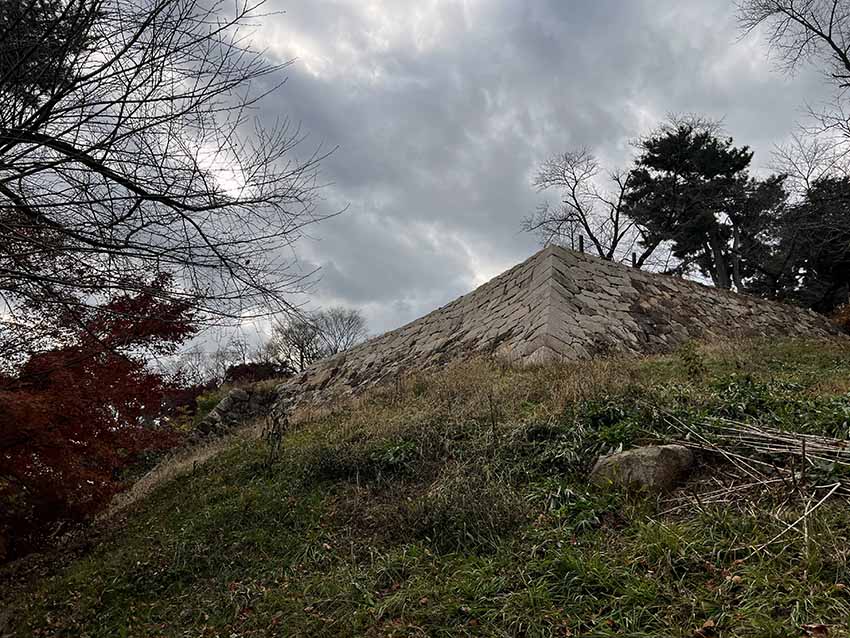
Furthermore, features typical of Japanese castles from the late 16th century can be observed, such as utilizing the terrain of mountain slopes and hills, placing the main enclosure (chumaru), which is the center of the castle, on high ground, and arranging multiple baileys (kuruwa) around it.
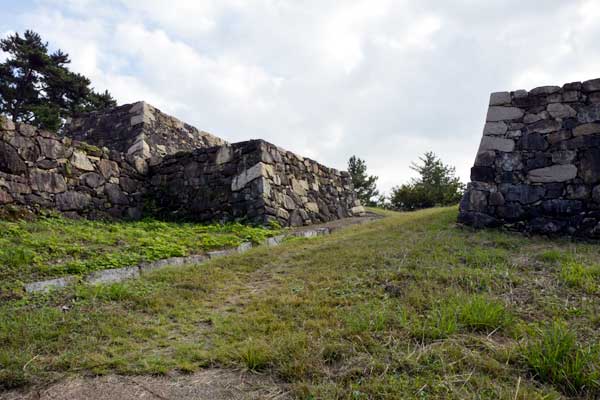
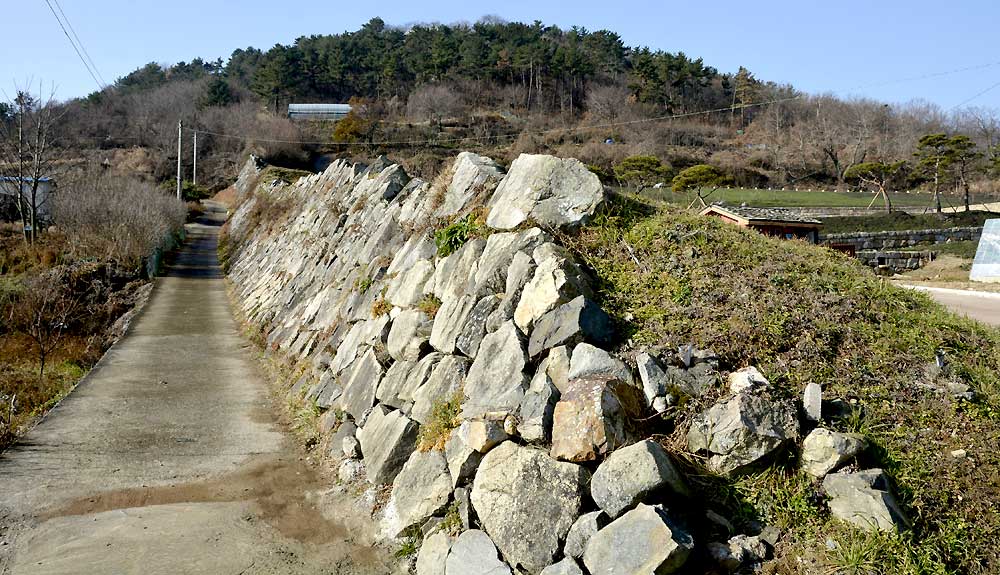
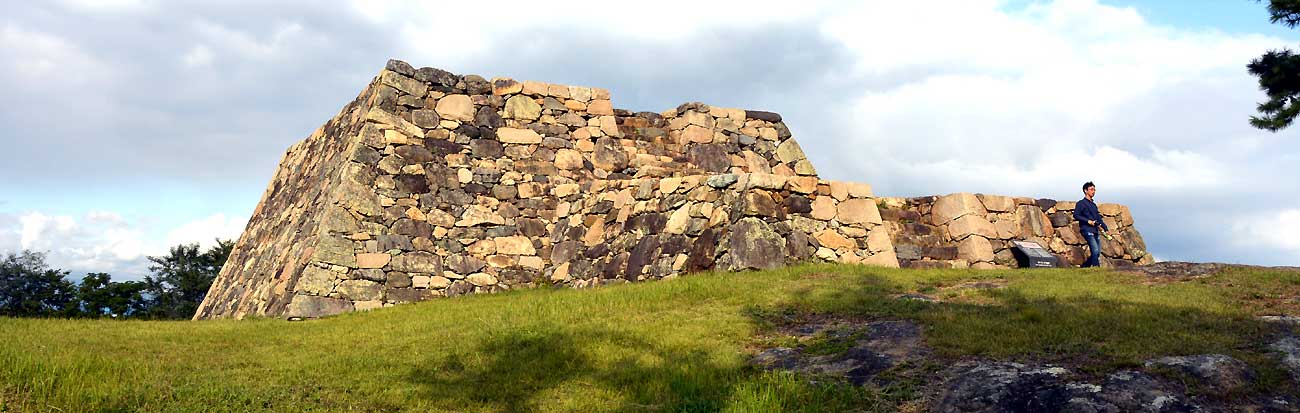
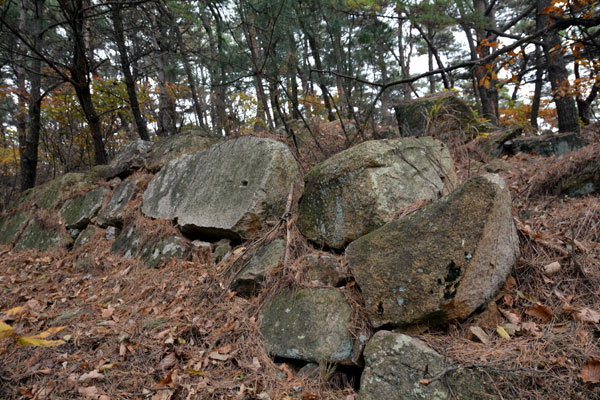
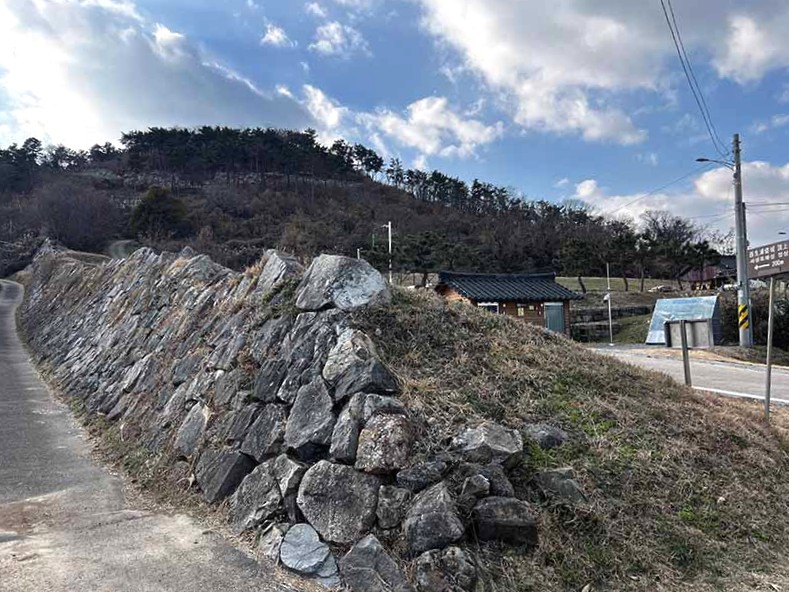
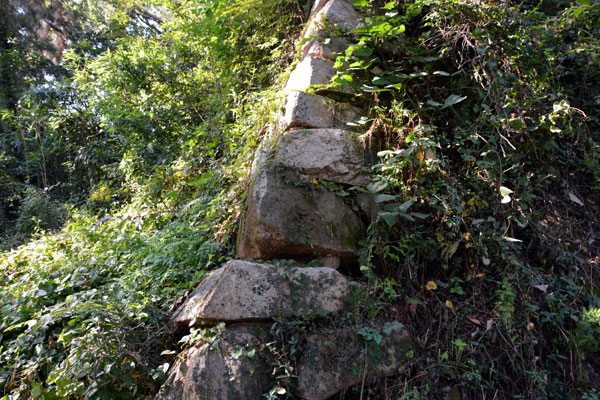
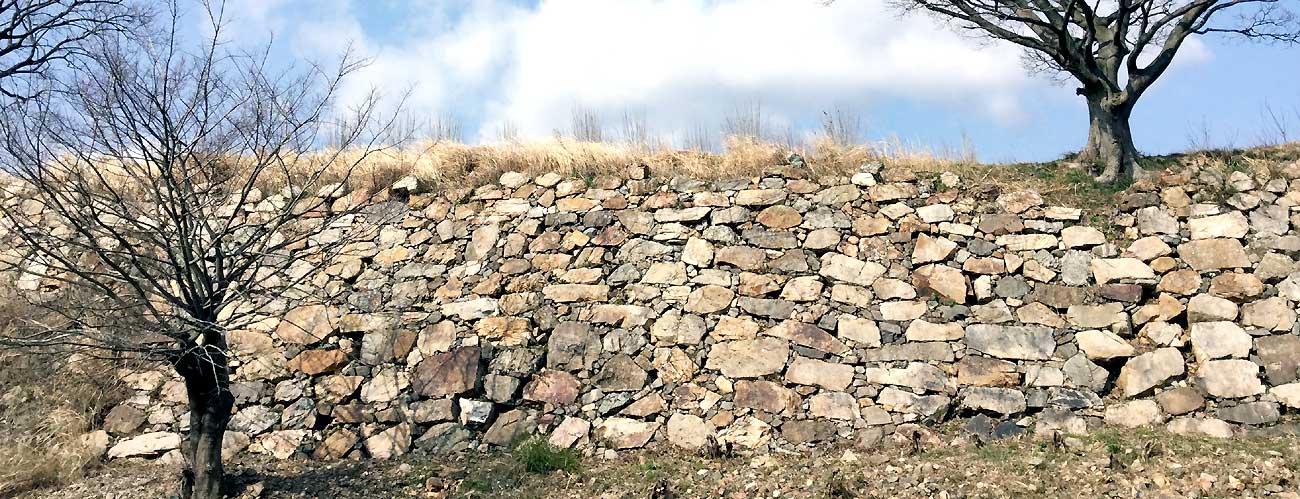
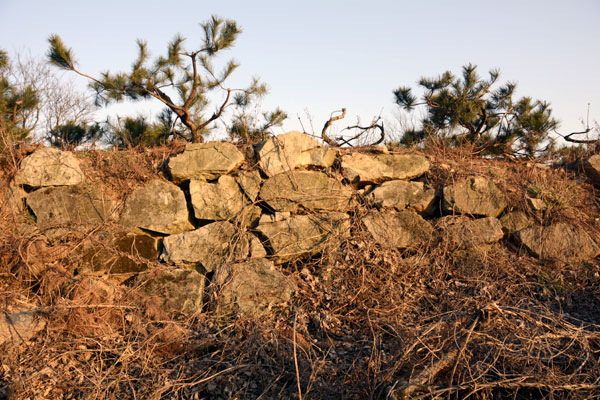
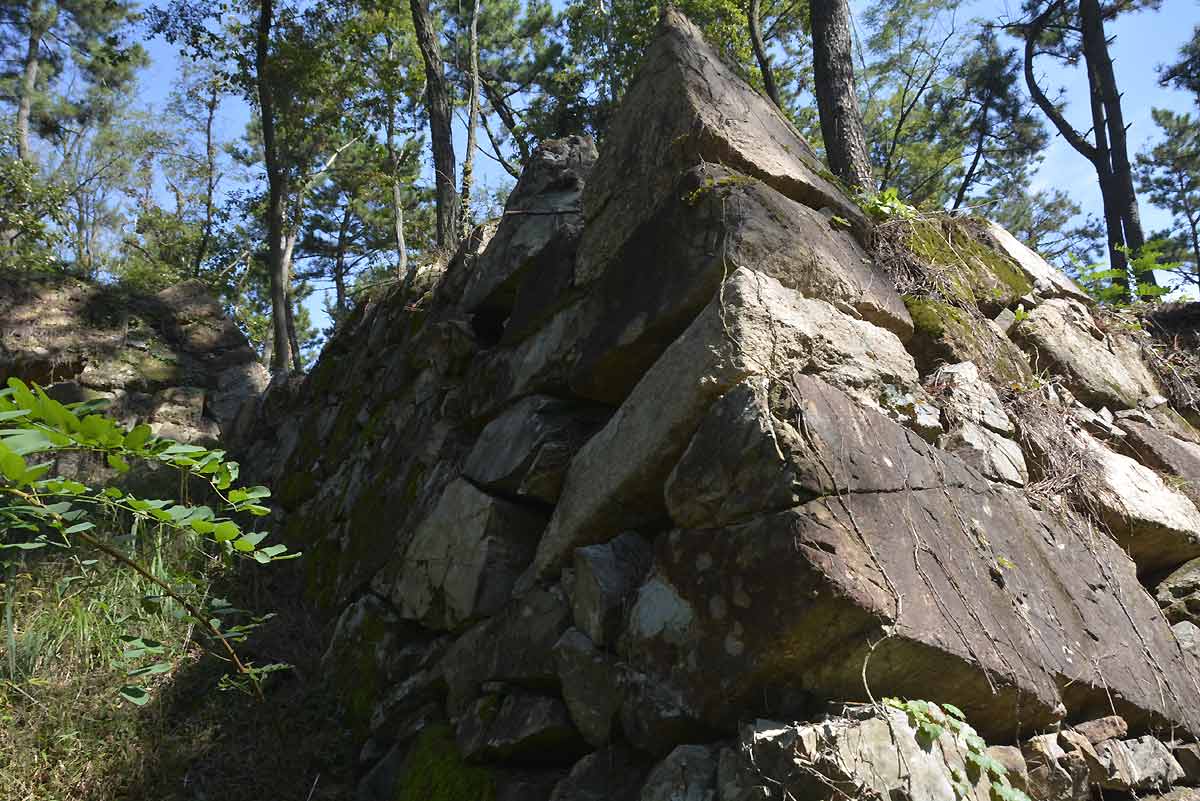
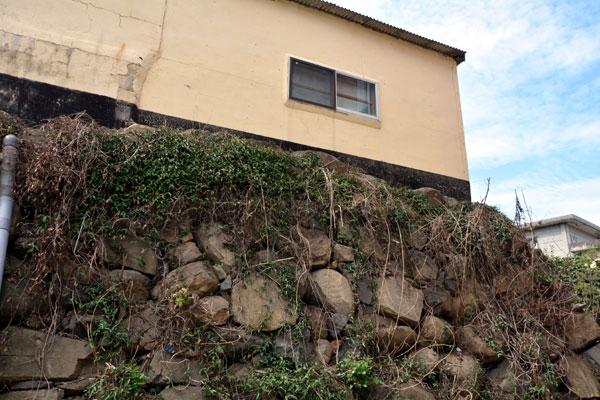
The stone walls were constructed using mainly natural stones, and their defensive capabilities were enhanced by utilizing the slopes and differences in elevation. Looking at the stone walls that remain today, it is clear that Japanese castle construction techniques were adapted to the topography and military situation of the Korean Peninsula.
Representative Japanese castles remaining in Busan, Gyeongsangnam-do, and Ulsan
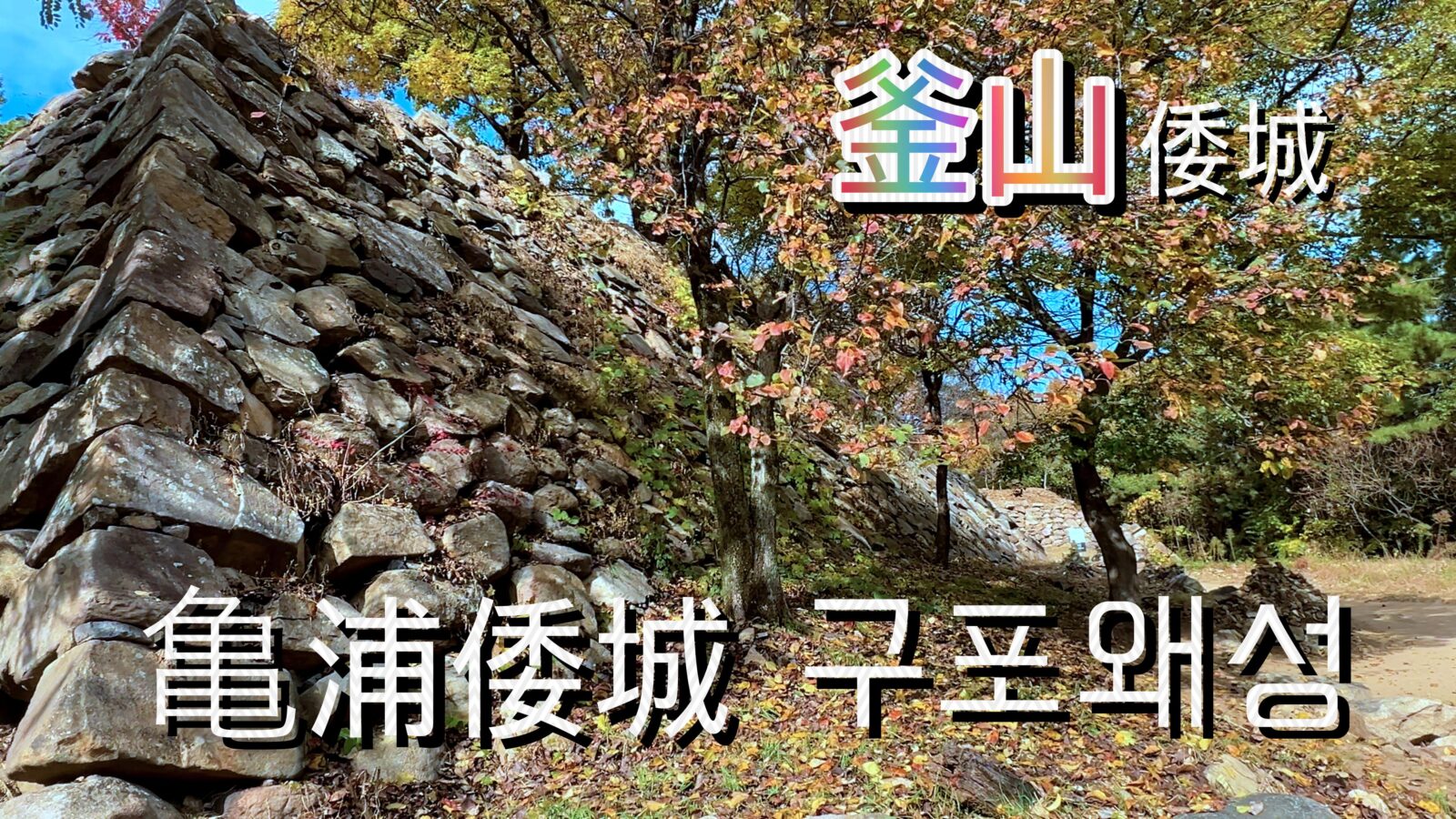
Kameura Wajo (구포왜성)
This is a Japanese castle located in Deokcheon-dong, Buk-gu, Busan Metropolitan City.
This castle was built on a hill overlooking the Nakdong River, and remnants of its stone walls and fortifications can still be seen today.
Gupo Waeseong Castle is designated as a Busan Metropolitan City Monument under South Korea's national heritage system. The designated area covers approximately 37,739 square meters.
It's relatively easy to access from within Busan city, making it a convenient place to visit for those who want to see the ruins of a Japanese castle in the Busan area.
Gijang Jukseong-riwaseong (기장 죽성리 왜성)
This is a Japanese castle located in Jukseong-ri, Gijang-gun, Busan Metropolitan City.
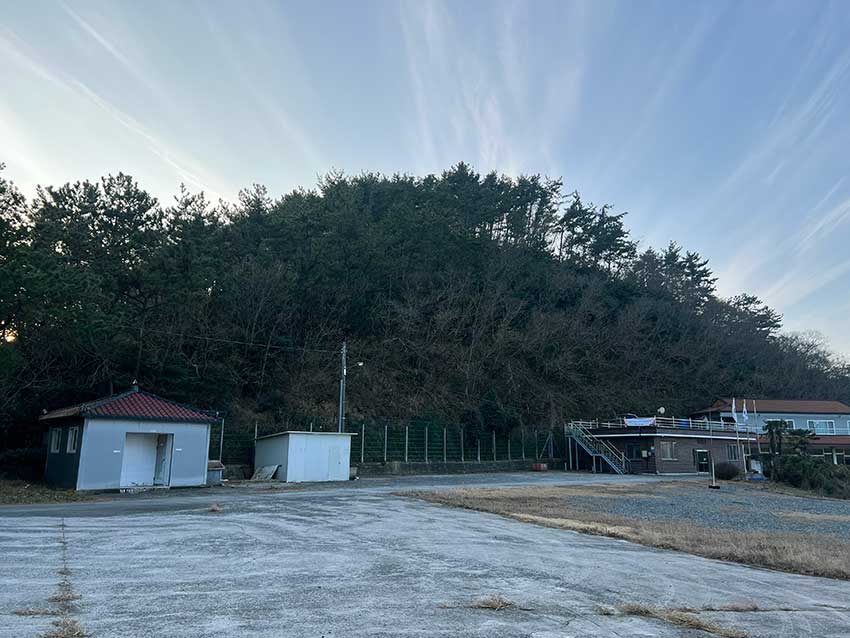
It was built on hilly terrain near the coast, and remnants such as stone walls still remain today.
Gijang Jukseong-ri Waeseong (Japanese Castle) is designated as a Busan Metropolitan City Monument. It is a place where you can experience the historical side of Busan, different from the tourist spots in the city center.
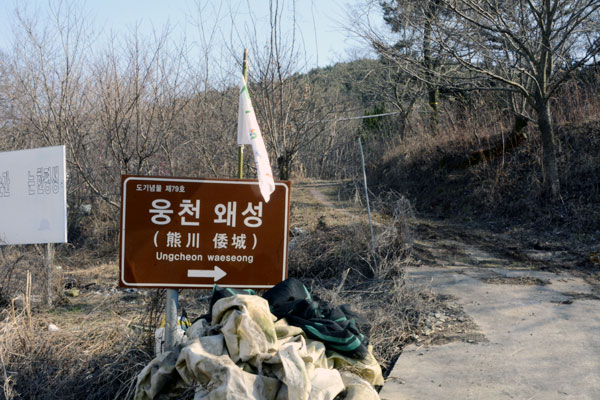
Ungcheon Waeseong (웅천왜성)
This is a Japanese castle located in Jinhae-gu, Changwon Special City, and is also known as Namsan Waeseong.
Built on the slopes and summit of Mt. Minamiyama, which is approximately 184 meters above sea level, some of the stone walls and baileys still remain today.
The castle had a Japanese-style castle structure, with multiple baileys and defensive structures arranged on the mountain slopes, centered around the main enclosure.
Furthermore, its location near the coast allowed it to function as a strategic base connecting to Angolpo, Masan, Gadeokdo, and Geojedo.
Kumcheon Waeseong Castle is designated as a Gyeongsangnam-do Monument.
Sacheon/Seonjin-ri Castle (사천 선진리성)
Seonjin-ri Fortress in Sacheon City is also a fortress ruin that was used by the Japanese army during the Second Jeongyu Rebellion.
In 1598, the area became the site of a large-scale battle when it was attacked by a combined Korean-Ming army.
The site is now a park, where visitors can explore the history of the surrounding area along with the castle ruins. Seonjin-ri Castle is designated as a Gyeongsangnam-do (South Gyeongsang Province) monument.
"Seosaengpo Waeseong" and "Ulsan Waeseong" are representative castles of Ulsan.
Seosaengpo Japanese Castle (서생포왜성)
One of the most representative Japanese castles easily accessible from Busan is Seosaengpo Japanese Castle, located in Seosaeng-myeon, Ulju-gun, Ulsan Metropolitan City.
Seosaengpo Waeseong Castle is believed to have been built by Kato Kiyomasa and others during the Japanese invasions of Korea (Bunroku War). It was an important military base that utilized its location near the port and the Hoeyagang River, which is written as "회야강" in Korean, rather than the Hoeyagang River itself. The year of construction is generally stated as 1593, but it is thought that the construction and renovation took place over several years.
Currently, large stone walls remain, and from the mountaintop you can overlook the surrounding coastal area.
Furthermore, in 1594, a Korean monk, Master Songun (also known as Samyeong Daesa in Korean), visited this castle and is known to have held peace negotiations with Kato Kiyomasa.
Seosaengpo Waeseong Fortress is designated as a cultural heritage site of Ulsan Metropolitan City.
Ulsan Waeseong (울산왜성)
Ulsan Waeseong, located in Hakseong-dong in the heart of Ulsan Metropolitan City, was a castle built during the Second Jeongyu Invasion.
In 1597, Kato Kiyomasa and others are said to have directed the construction of the castle, with Asano Yukinaga and others also involved. A large number of soldiers were mobilized for the construction, and the castle was completed in a short period of time. However, the details that "Asano Yukinaga mobilized approximately 16,000 men and built it in about 40 days" differ depending on the historical source, so it should not be stated as a definitive fact.
From the end of 1597 to the beginning of 1598, the castle was the site of fierce fighting during an attack by a combined Korean-Ming army. This battle is commonly known as the Battle of Ulsan Fortress.
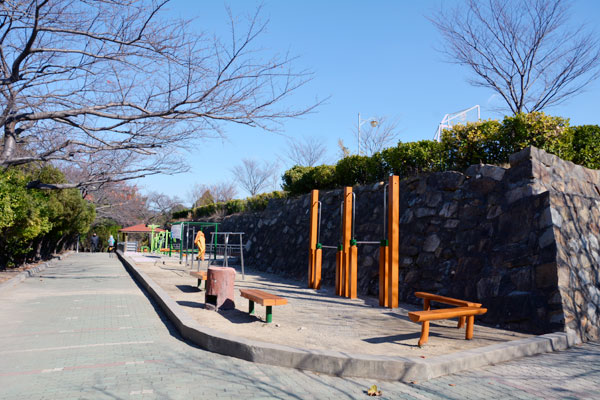
Although its appearance has changed dramatically due to urbanization, it remains one of the important historical sites that tell the story of Ulsan's history.
A network of Japanese castles extending to Jeollanam-do
Japanese castles in Korea are not limited to the area around Busan.
To the west, they are distributed as far as Suncheon in Jeollanam-do, and Suncheon Waeseong is a large fortress built by Konishi Yukinaga and others during the Second Jeongyu Rebellion. Construction began in 1597, and Suncheon Waeseong was developed as the residence of Konishi Yukinaga.
The castle had a structure consisting of a main keep, an inner castle, and an outer castle, and in 1598 it was attacked by a combined Korean-Ming army. This battle is known as the Battle of Suncheon Waeseong.
Suncheon Waeseong is an important historical site that allows us to learn about Japanese stone wall construction and castle structures from the late 16th century.
"Japanese castles from the late Sengoku period" that still remain today
The Japanese castles remaining in Korea have a different history from the castles located within Japan.
While many castles within Japan were developed and renovated throughout subsequent Japanese history, the Japanese castles in Korea were mainly built for military purposes during a short period at the end of the 16th century, in order to invade Korea.
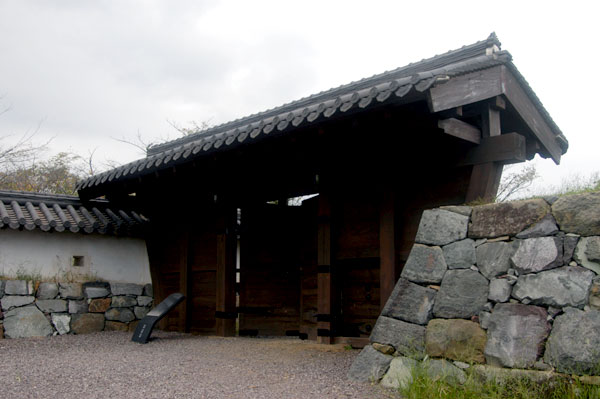
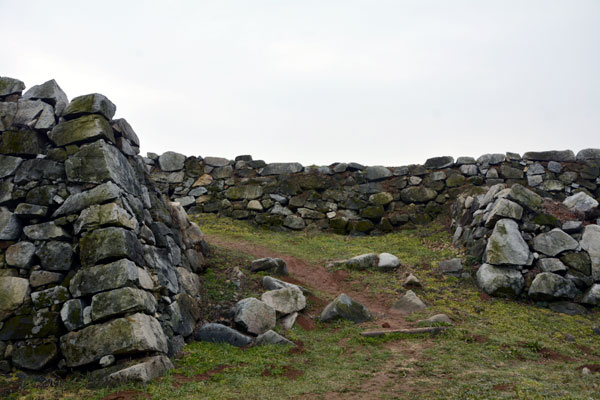
Therefore, the remaining stone walls, baileys, and castle gate ruins make this a valuable historical site from which we can learn about Japanese castle construction techniques from the late Sengoku period to the early modern period.
On the other hand, the construction of these castles is rooted in the history of Toyotomi Hideyoshi's invasion of Korea and the resistance from both Korea and the Ming Dynasty.
When visiting as a tourist, it's worthwhile to view this site not merely as "Japanese castle ruins," but as a place where the histories of the Korean Peninsula, Japan, and China intersected, and to consider its historical context.
A Japanese castle from the late 16th century found in Busan
Around Busan, there are still remnants of Japanese castles, such as Gupo Waeseong (구포왜성) and Gijang Jukseong-ri Waeseong (기장 죽성리 왜성).
If you venture a little further, you can visit Ungcheon Waeseong (Japanese Fortress) in Changwon, Seosaengpo Waeseong (Japanese Fortress) in Ulsan, Seonjinri Fortress in Sacheon, and Suncheon Waeseong (Japanese Fortress) in Jeollanam-do.
For those who want to experience the history of the late 16th century in addition to the coastal scenery and gourmet food during their Busan trip, a tour of these Japanese castle ruins is highly recommended.
As you walk along, looking at each individual stone in the wall, you can imagine what role this place played more than 400 years ago.