
Silla Dynasty– Category –
-
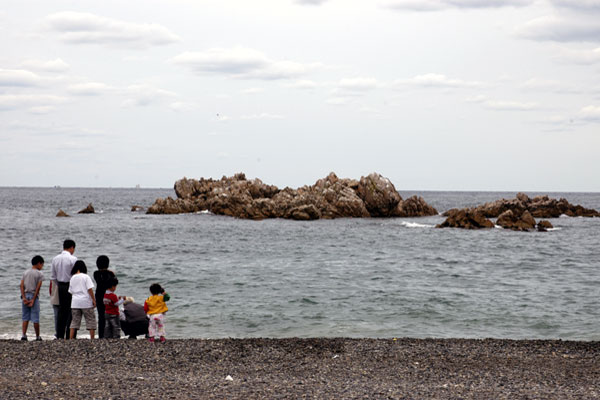
Gyeongju - King Munmu's Tomb (Sea Tombs)
The Tomb of King Munmu in Gyeongju is an underwater royal tomb of the Silla king located in the East Sea. We will introduce the history of King Munmu, who achieved the unification of the Three Kingdoms, the legend of him protecting the country as a dragon, and nearby attractions such as the site of Gam-eunsa Temple and Imi-dae Pavilion. -
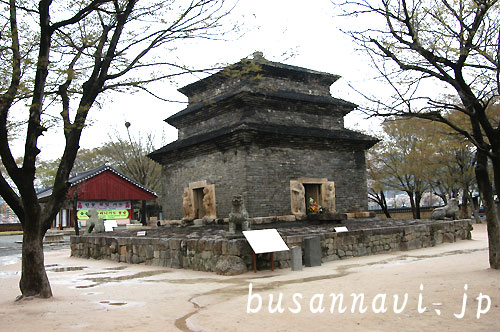
Gyeongju - Bunhwangsa Temple | An ancient temple that houses a national treasure, a replica brick pagoda, from the Silla period.
This article introduces Bunhwangsa Temple in Gyeongju. Founded during the reign of Queen Seondeok, this ancient temple boasts numerous attractions, including the national treasure Bunhwangsa Stone Pagoda, the Samryongbyeon-eok Well, and historical sites associated with the monk Wonhyo. -
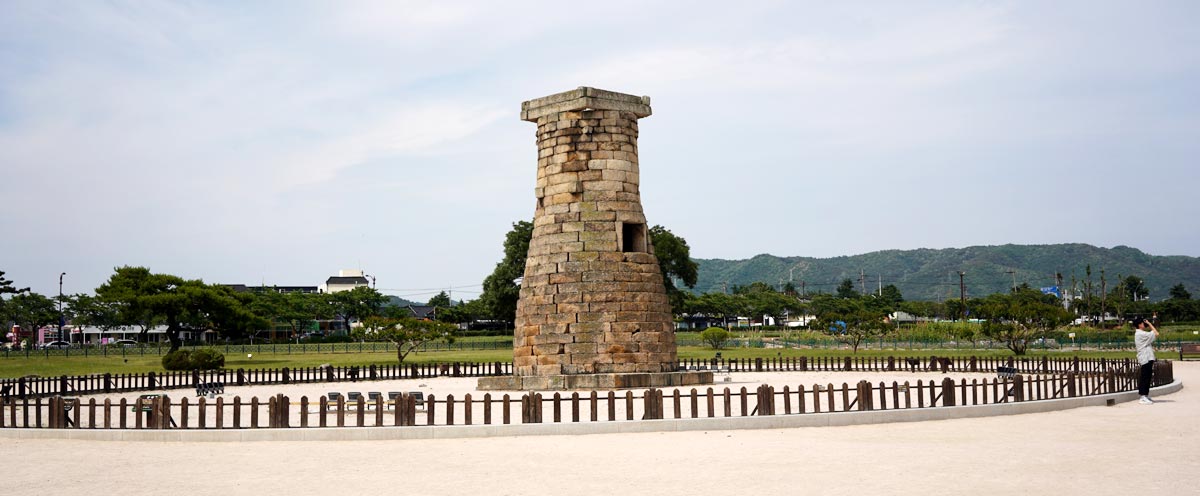
Cheomseongdae Observatory, Gyeongju
Cheomseongdae, a representative historical site of Gyeongju, is one of the oldest astronomical observatories in East Asia, believed to have been built during the reign of Queen Seondeok of Silla. This article introduces the beautiful seasonal scenery and night views of the surrounding area. -

Gyeongju, Woljeong Bridge
Woljeonggyo Bridge is a representative historical tourist spot in Gyeongju. We introduce this beautiful wooden bridge, a reconstruction of a bridge from the Silla period, its nighttime illumination, and the fantastical scenery reflected on the water's surface. -
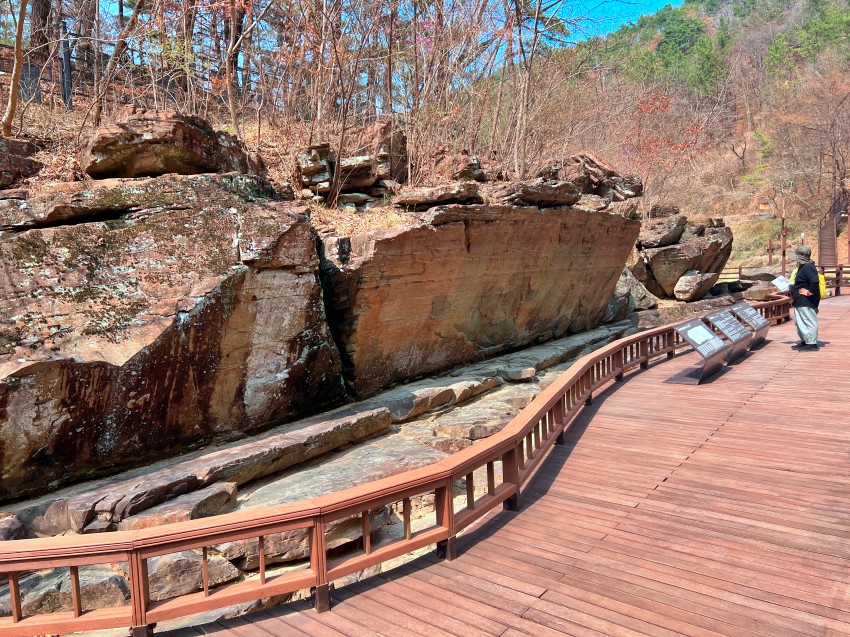
Inscriptions and rock carvings from Jeongjeong-ri, Ulju
Why not visit the national treasure "Inscriptions and Rock Carvings of Ulju Jeongjeong-ri," nestled amidst the beautiful nature of Ulsan's Daegokcheon River? The rock face, inscribed with prehistoric animal paintings and Silla-era Chinese characters, is like something out of a history textbook. The walking trail leading to the Bangudae Rock Carvings is also popular. Enjoy this World Heritage site year-round with free admission. -
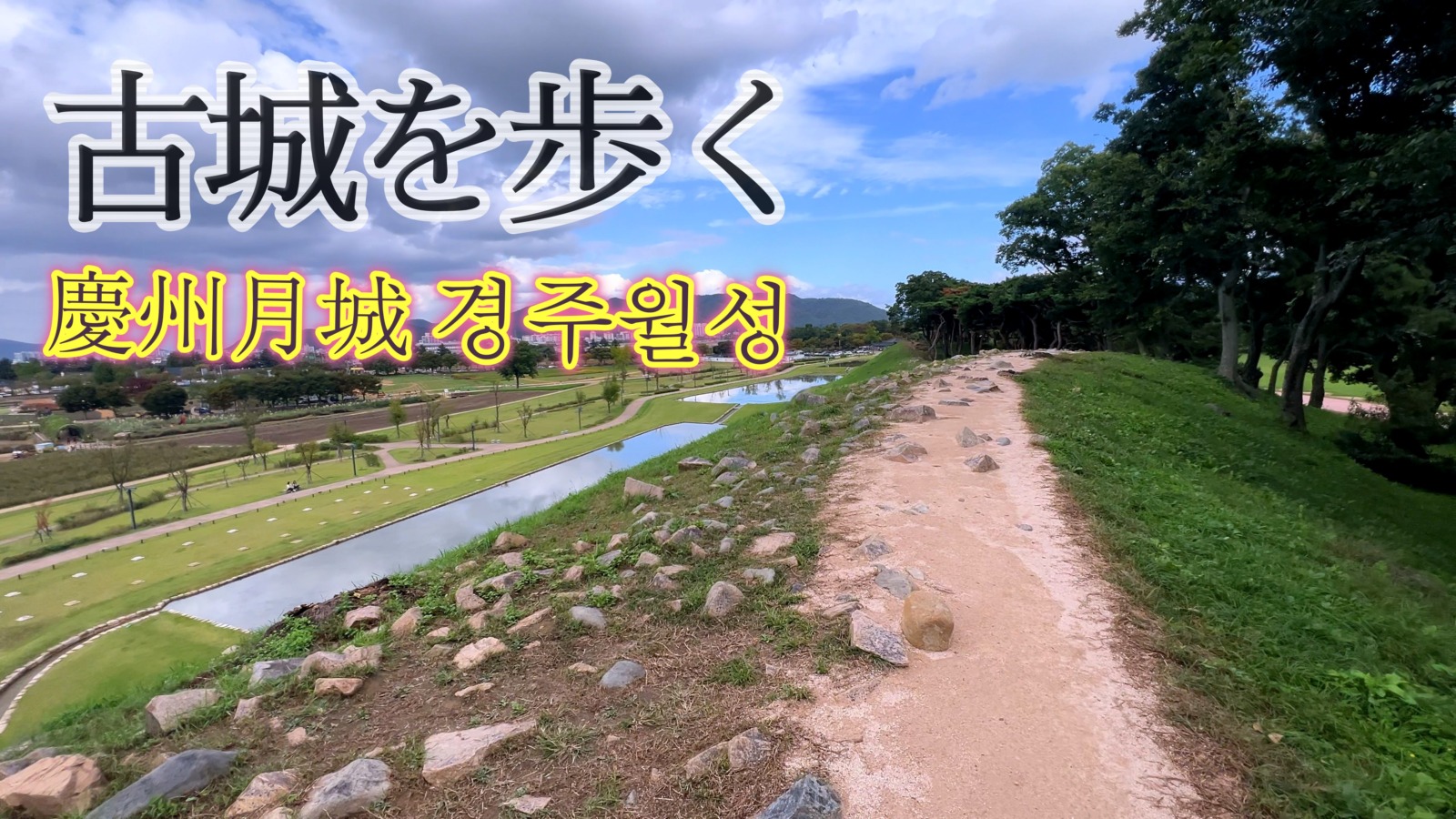
Gyeongju Wolseong Fortress
A must-see for history buffs! Wolseong in Gyeongju is the crescent-shaped ancient royal castle of Silla. Explore this fascinating ruin, which combines defense and scenic beauty. -
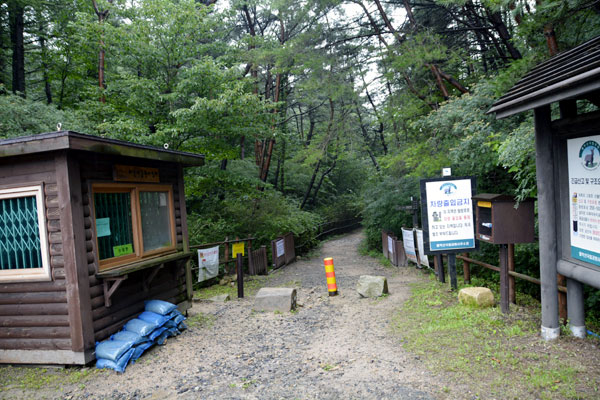
Cold Mountains
This 525m high pass is located on the border between Gwaneum-ri, Mungyeong-eup, Mungyeong-si, Gyeongsangbuk-do and Mireuk-ri, Suanbo, Chungju-si, Chungcheongbuk-do. It was the first developed pass in Korea, and was built by King Adala, the 156th king of Silla, in order to attack Goguryeo during the Three Kingdoms period (XNUMX AD). At that time, it was a key transportation point... -

Golden Crown Tomb
Geumgwantong is a large ancient tomb built during the Silla period, where the first gold crown of Silla was excavated. The gold crown, a national treasure, as well as many other gold products and jewels were excavated from Geumgwantong. Currently, Geumgwantong is used as an exhibition space for visitors. -
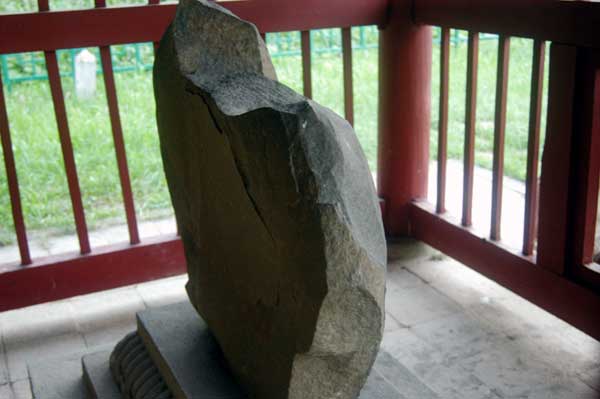
Danyang Silla Jeokseong Monument
Located on the mountain behind the Danyang Service Area on the Central Expressway connecting Daegu and Gangwon Province, Danyang Jeokseong Monument was built during the reign of King Jinheung of Silla (the 24th king, 534-576), when Silla generals led by Isabu attacked and captured Jeokseong, which was in Goguryeo territory, under royal orders. King Jinheung helped the Silla army... -
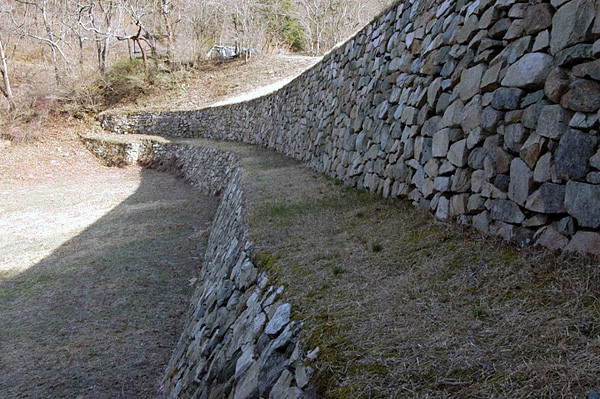
Akiyoshiyama Castle
A stone fortress built in the early 5th century during the Silla period -
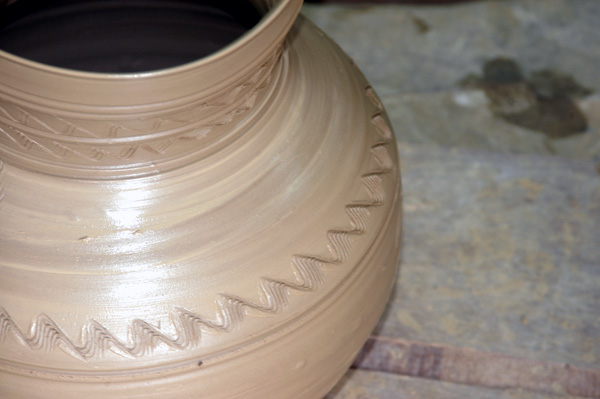
Silla Kiln
While the Joseon Dynasty had white porcelain and the Goryeo Dynasty had celadon, the Silla Dynasty had earthenware unique to Silla. It was over 40 years ago that Silla earthenware excavated from ancient tombs scattered around Gyeongju City, North Gyeongsang Province, was reproduced. Ryu Hyeo-eun (69), a master of Silla kilns at Gyeongju Folk Craft Village, Ha-dong, Gyeongju City... -
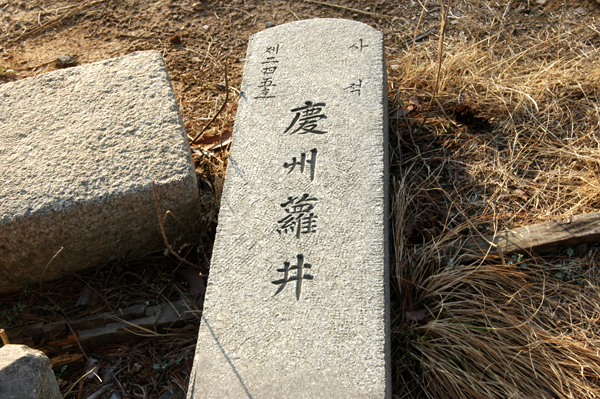
Gyeongju Najeong
A well where the story of the birth of the founder of Silla is told According to the Samguk Sagi and the Samguk Yusa, the area around this well, located on the left side of the road from downtown Gyeongju to Mount Seonamsang, is filled with the myth of the founding of Silla, which has a long history from its founding in 57 BC to its surrender to Goryeo in 935. One day in 69 BC, a man from Yukbu Village... -

Gyeongju Tombs Pagoda Site
Gyeongju Neungjitap Site Located on National Route 7 from downtown Gyeongju to Ulsan, in the center of Nangsan Mountain, 104 meters above sea level, is the tomb of Queen Seondeok, the 27th king of Silla. At the northwest foot of Nangsan Mountain is the 30 meter high Neungjitap, said to be the cremation ground of King Munmu (661-681), the 4.49th king of Silla. The current double-story... -

Gyeongju Three Tombs
Gyeongju Samneung is one of the most famous hiking trails in Seonamansan Mountain and is famous for its lush pine forest scenery. It is where the tombs of King Gyeongae and three Kings of the Park clan are located. The pine forest of Samneung is a famous spot that has appeared in various media such as dramas, movies, and advertisements due to its beautiful scenery. The morning sun shines through the pine trees... -

Standing stone Buddha statue in Bairi, Gyeongju
The Beri Stone Buddha, with its childlike face, is regarded as a masterpiece of Silla Buddhist sculpture from the early 7th century. Side view of the standing stone Buddha at Bairi, Gyeongju Three stone Buddhas scattered around the foot of Namsan Mountain in Gyeongju were lined up in a row in their current location in 1923. The carving techniques used on all three are very similar... -

Flag pole support at Samnyangsa Temple Site, Gyeongju
Flagpole pillar from the Unified Silla period near the Gyeongju Intercity Bus Terminal Hello, about 1km north from the Hyeongsan River that flows in front of the Gyeongju Intercity Bus Terminal, there is a flagpole pillar made in the Unified Silla period. Flagpole pillars are used to hold flags during events such as Buddhist ceremonies at temples... -
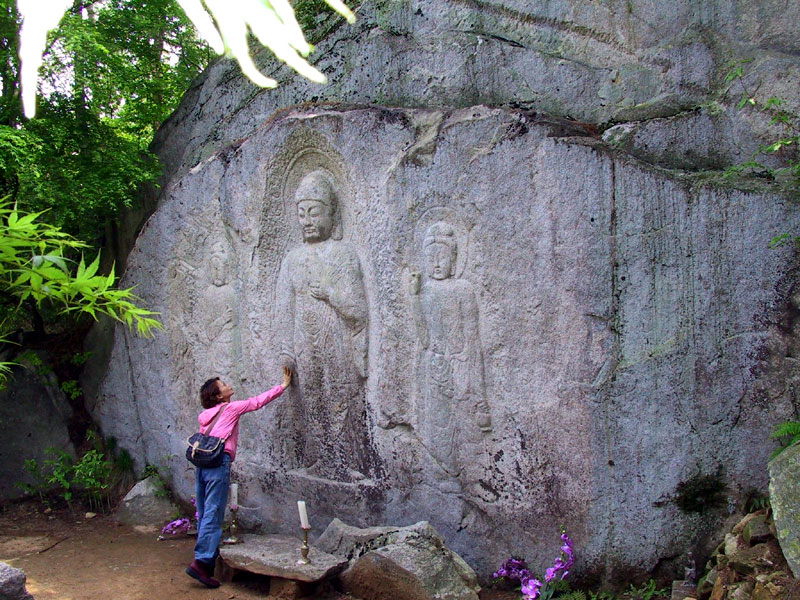
Gyeongju Yul-dong Magae Jyorai Triad Standing Statue
Hello, if you cross the Hyeongsan River from the Gyeongju Intercity Bus Terminal, you will come to the Tomb of King Taejong Muyeol, the 29th king of Silla in Seoak-dong, and about 2.3 km from there, at the foot of the mountain on the left, you will come to Dudae-ri Village (Yul-dong). If you go up the mountain behind this village, you will come to the rock-carved three statues from the Unified Silla period carved in the 8th century... -
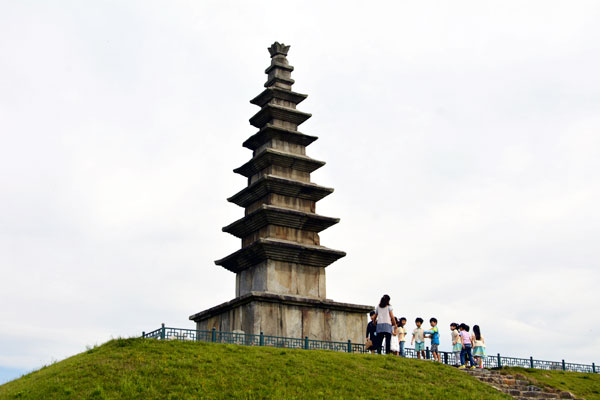
Jungwon Tappyeong-ri Seven-story Stone Pagoda
It is the largest stone pagoda of Unified Silla and is located in Chungju, Chungcheongbuk-do. -
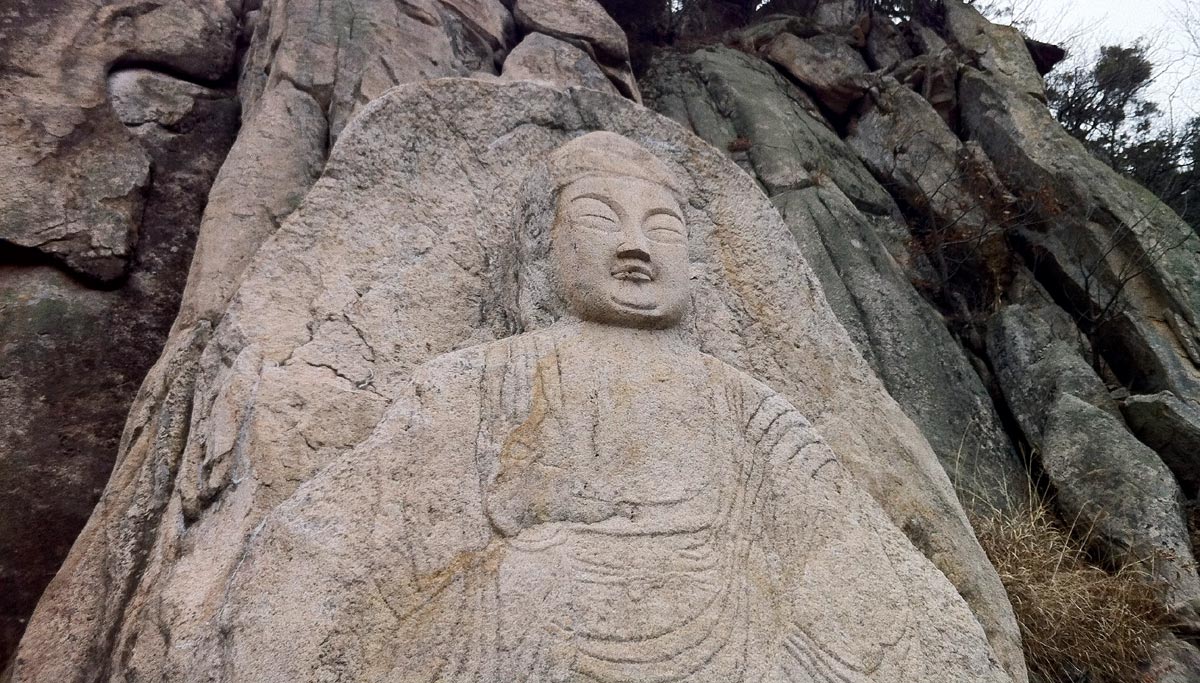
Seated statue of Shakyamuni Nyorai, Samneunggye valley
A rock-carved Buddha carved into a huge natural rock wall at a height of 6 meters! This stone Buddha, carved into a huge natural rock wall at a height of 7 meters and a width of 5 meters, is known as the largest seated Buddha in Namsan. It was created in the mid-6th century... -
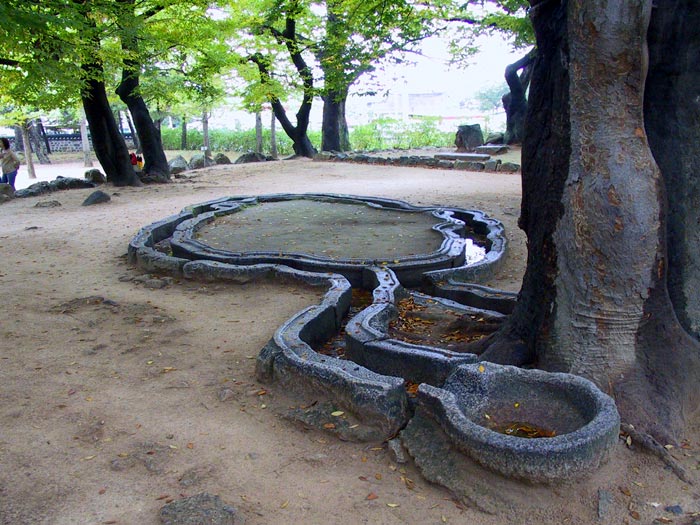
Baoshitei
Located in Seonamsangsan Mountain, Gyeongju, Bosokjeong is a place where you can learn about the elegance of the Silla Dynasty, but it is also a tragic site where the curtain fell on the millennium of Silla. Gyeongju Bosokjeong Site Gyeongju Bosokjeong Site Gyeongju Bosokjeong Site Gyeongju Bosokjeong Site Spot NameGyeongju Bosokjeong Site경...
12