Guide to World Heritage Sites in South Korea– South Korea World Heritage Guide | Exploring Historical Sites, Temples, and Natural Heritage Sites | BusanNavi –
South Korea boasts numerous World Heritage sites that tell the story of its long history and culture, including ancient dynastic ruins, historic temples and palaces, traditional villages, and precious natural landscapes.
From the Silla-era ruins of Gyeongju and the tombs of Baekje and Gaya, to the palaces and royal tombs of the Joseon Dynasty, traditional academies and temples, to the natural heritage of Jeju Island, Korean tidal flats, and the Bangudae rock carvings (registered in 2025), you can encounter diverse attractions depending on the era and region. This page introduces World Heritage sites and related historical sites and cultural facilities throughout Korea in Japanese.
-
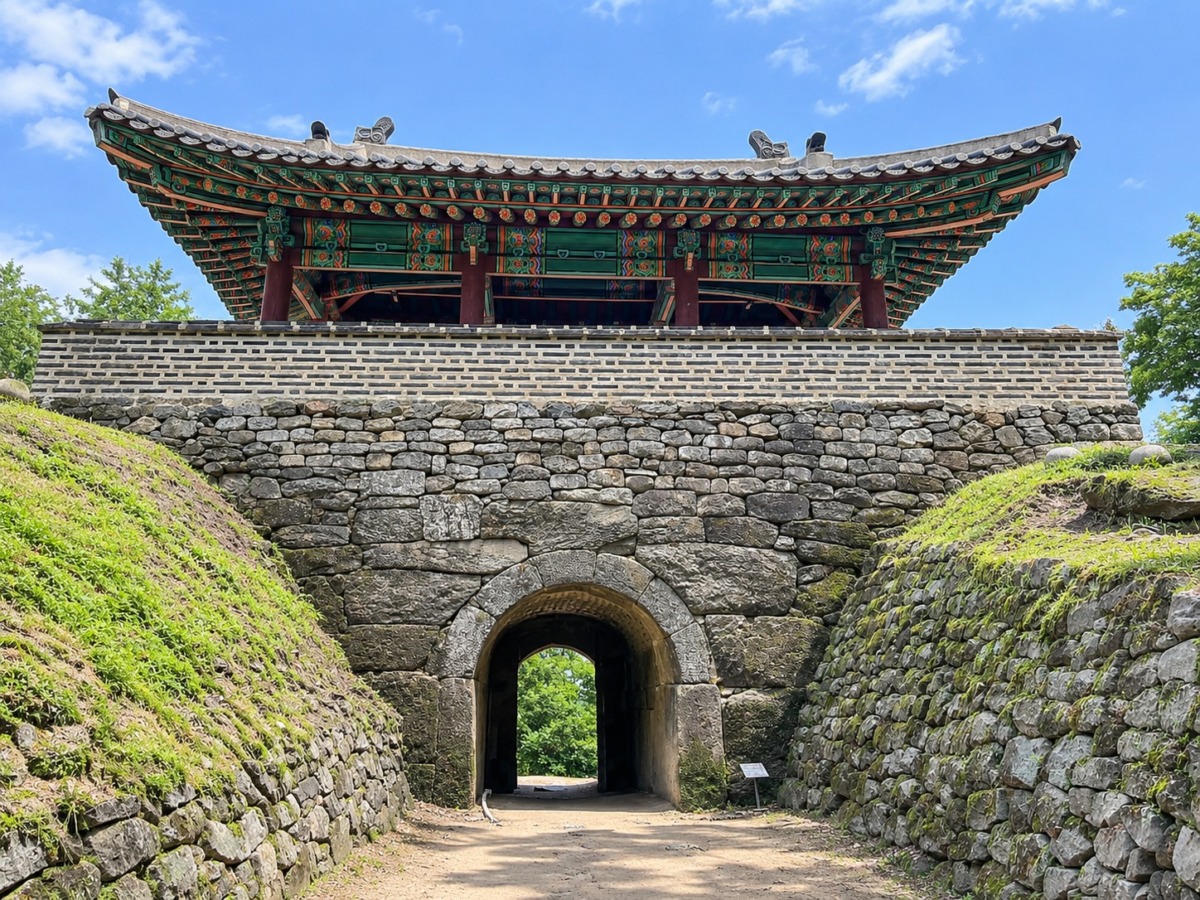
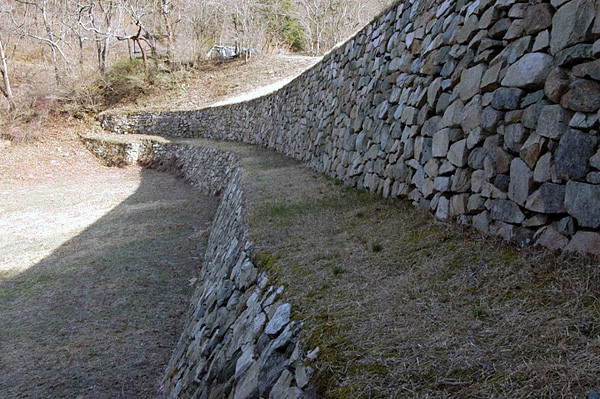
Namhansanseong Fortress
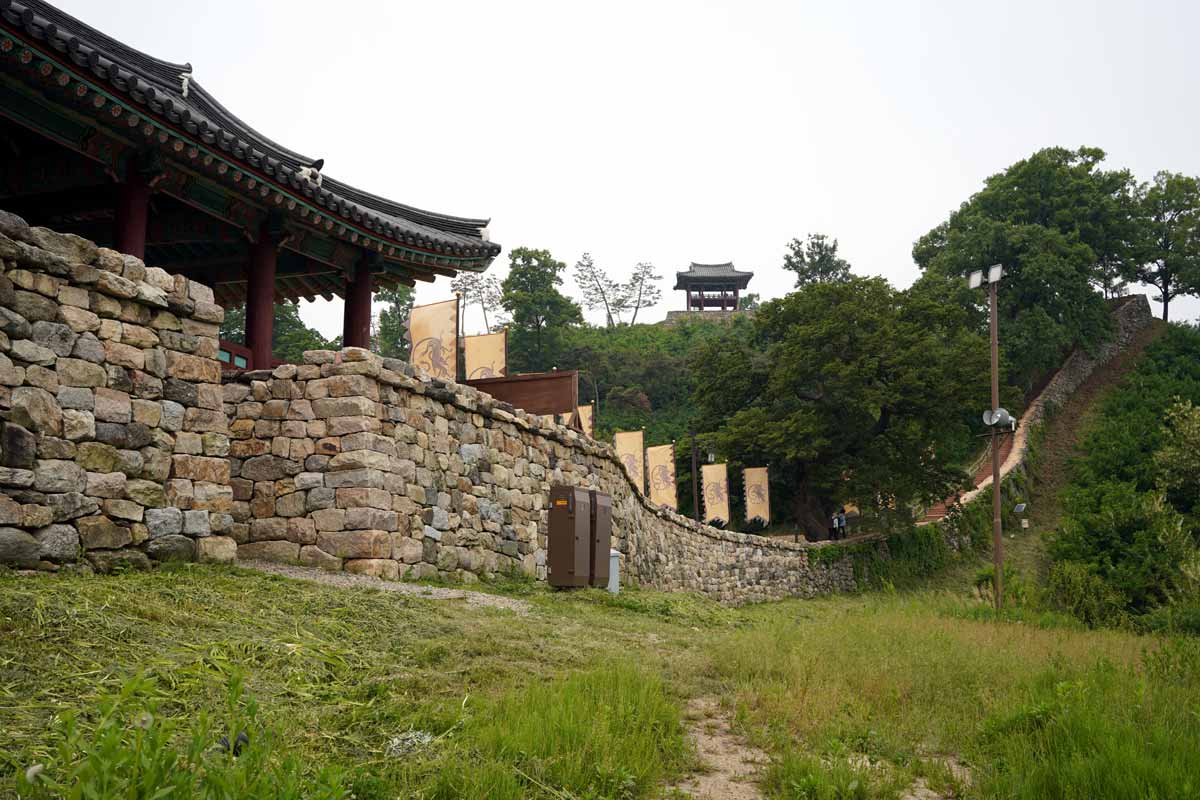
Namhansanseong Fortress in Gyeonggi Province, South Korea, is a UNESCO World Cultural Heritage site that tells the history of the Joseon Dynasty. This article introduces the history of the mountain fortress, which was the stage of the Second Man War, its walls, the guard post, Namhansanseong Haenggung Palace, and other points of interest, as well as access information. -
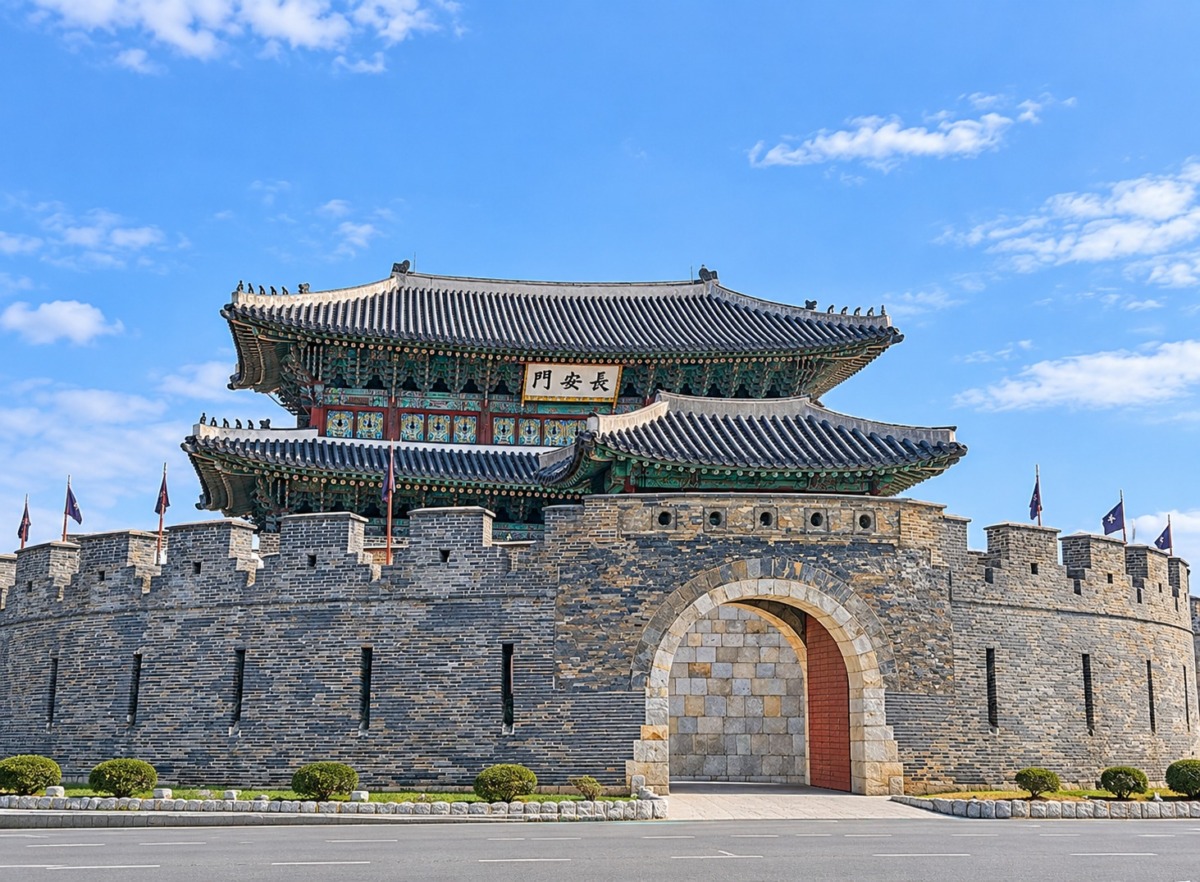
Suwon Hwaseong Fortress
A travel guide to Hwaseong Fortress in Suwon, South Korea. This guide introduces the history of the UNESCO World Heritage site built by King Jeongjo, as well as highlights such as Janganmun Gate, Hwahongmun Gate, Banghwasuiryujeong Pavilion, and Hwaseong Haenggung Palace, and how to get there. -
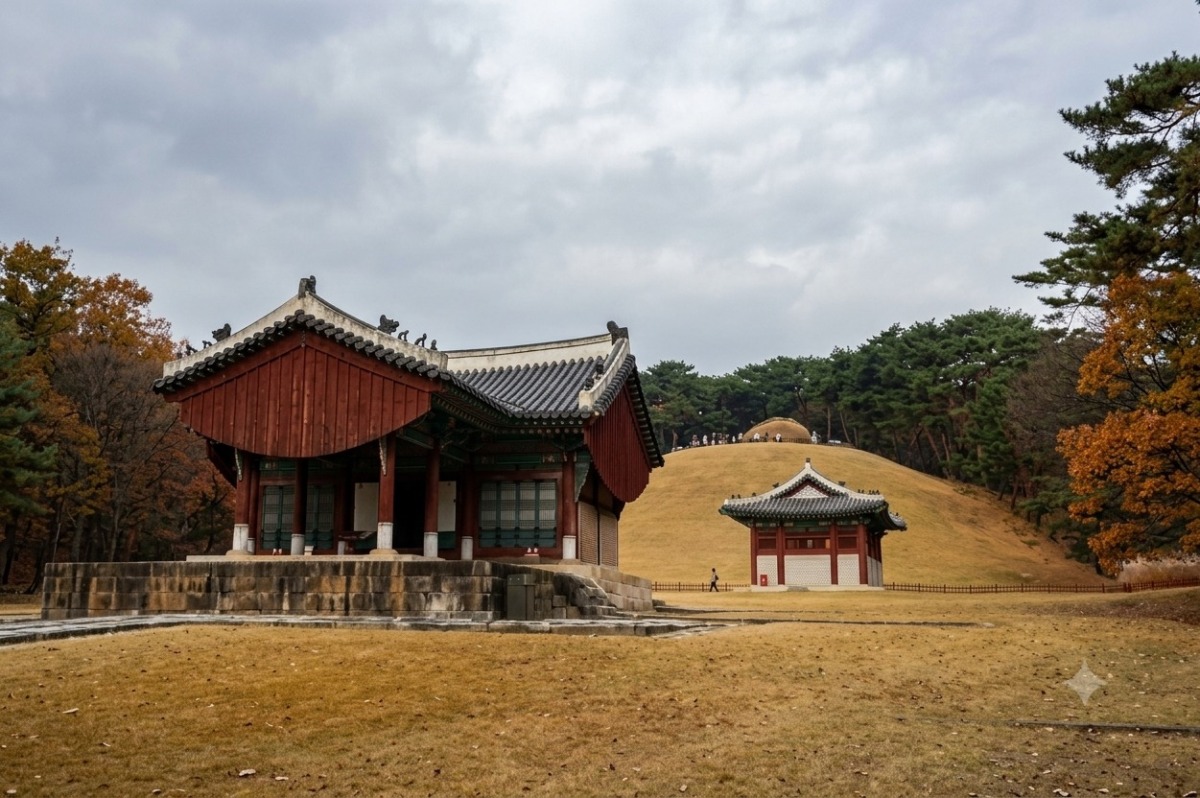
Royal Tombs of Joseon (Joseon Wangneung)
This guide introduces the Joseon Dynasty Royal Tombs, a UNESCO World Heritage Site in Korea. It clearly explains the highlights, history, and tourist information of representative royal tombs, including the tombs of successive kings and queens, such as Donggureung, Seonreung and Jeongneung, and Yeongneung (the tomb of King Sejong the Great). -
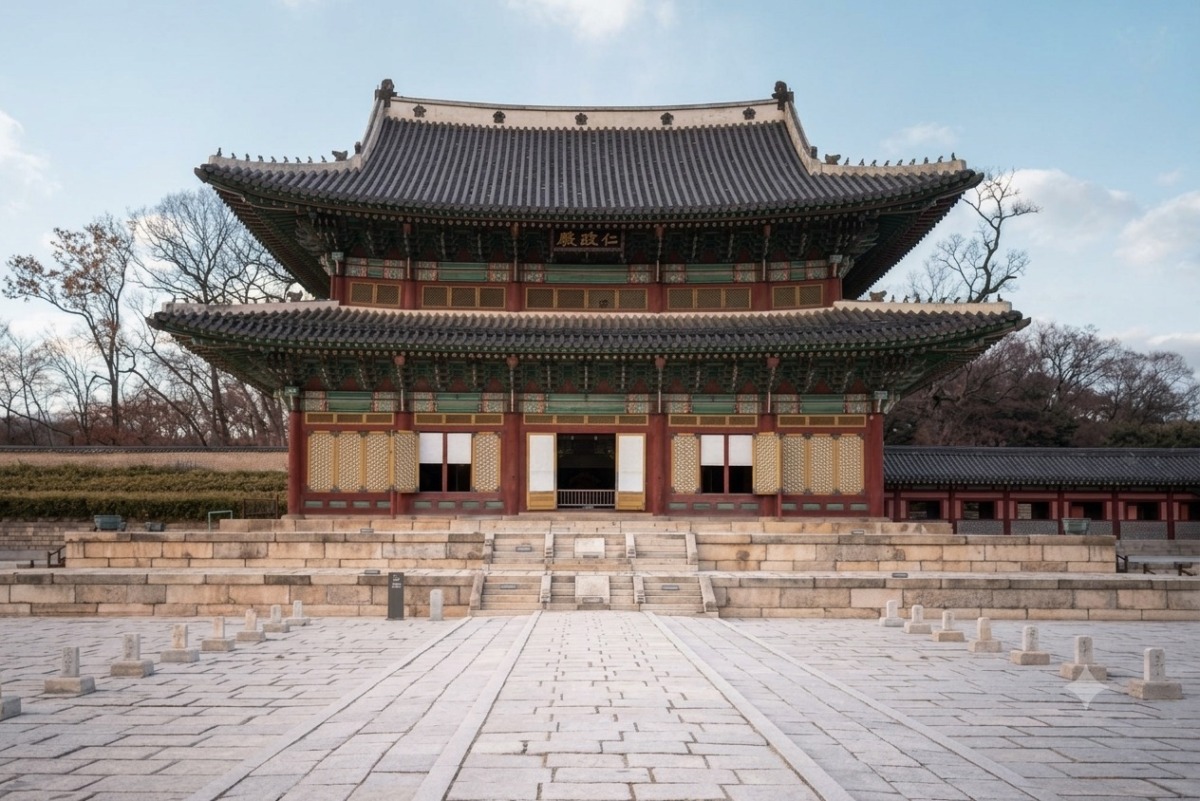
Changdeokgung Palace
This article introduces Changdeokgung Palace, a UNESCO World Heritage Site in Seoul. It includes information on the highlights of Injeongjeon Hall, Nakseonjae Garden, and the beautiful Secret Garden (Huwon) that harmonizes with nature, as well as its history, visiting hours, and access information. -
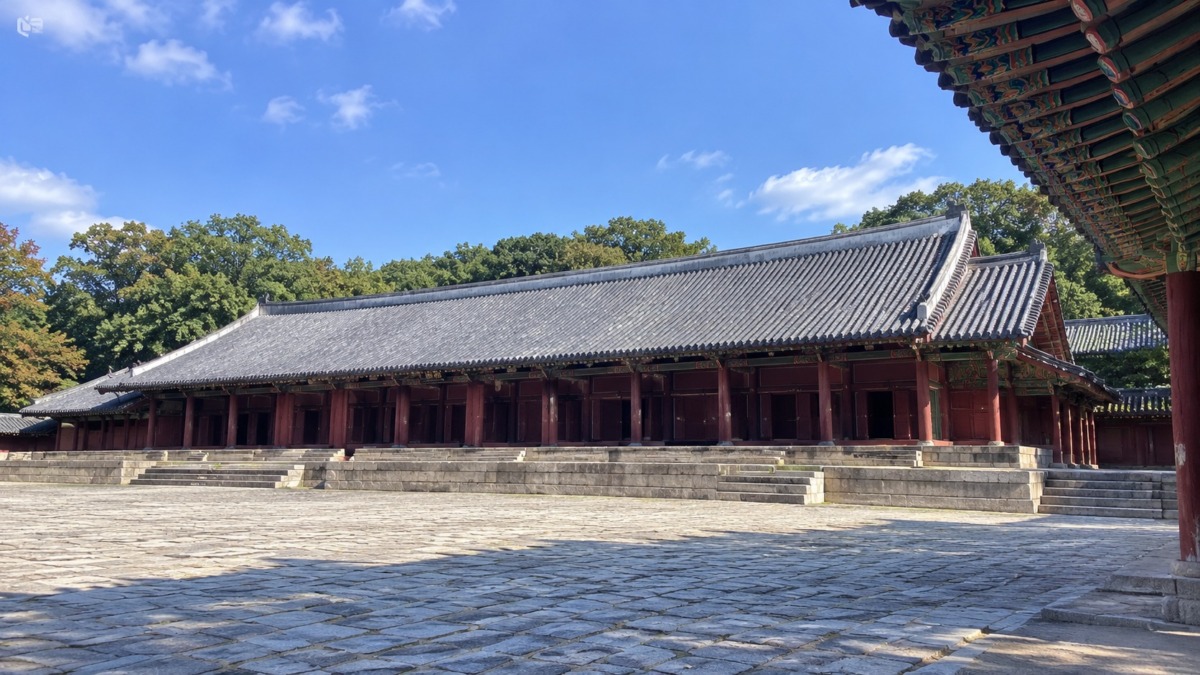
Jongmyo Shrine | A UNESCO World Heritage Site in Seoul dedicated to the kings and queens of the Joseon Dynasty.
Jongmyo Shrine in Seoul is a UNESCO World Heritage Site. This site introduces Korean history and culture, including the main hall and Yeongnyeongjeon Hall, which enshrine the kings and queens of the Joseon Dynasty, and the traditional Jongmyo ancestral rites. -
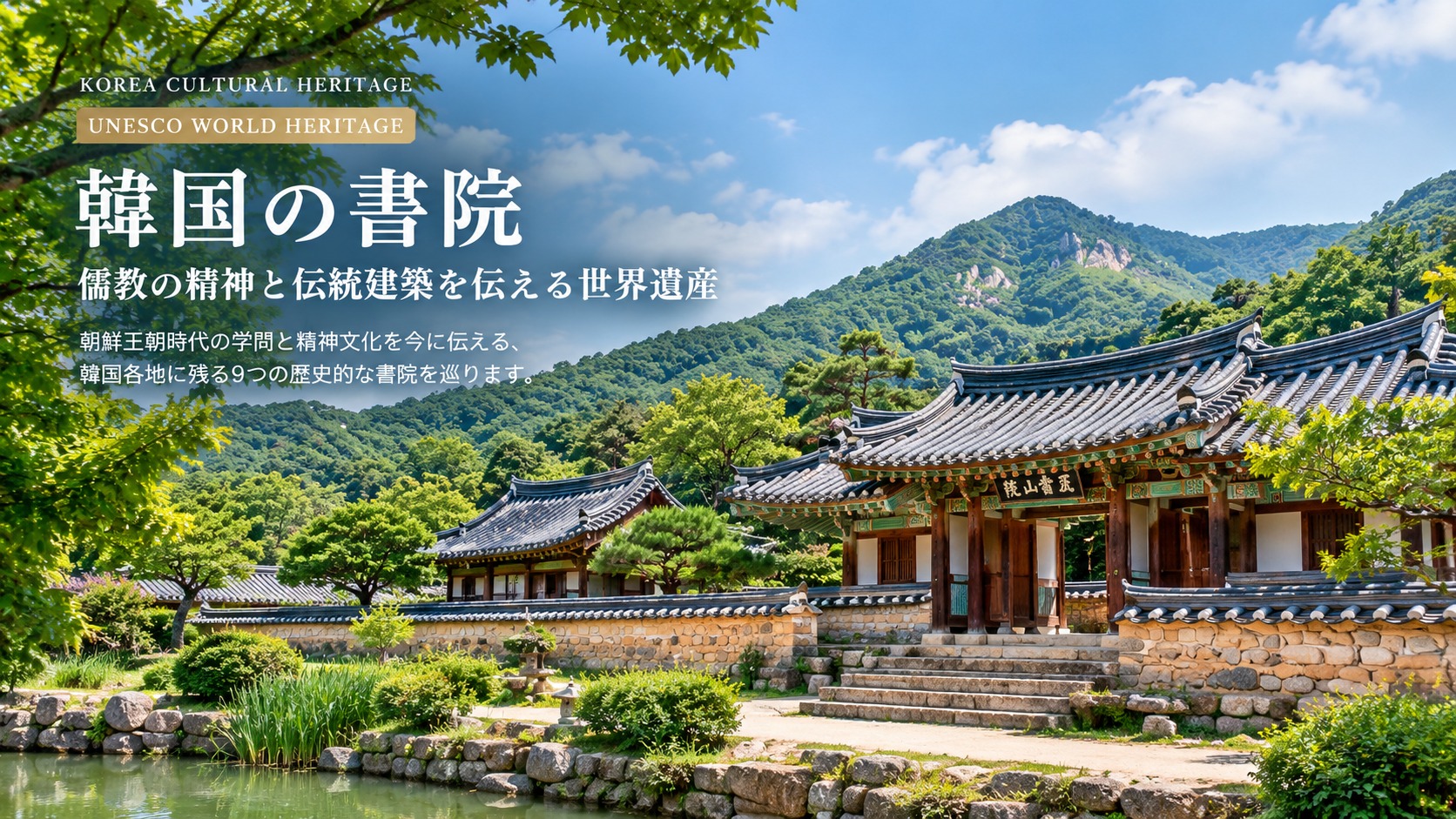
Seowon (Confucian academies) of Korea | UNESCO World Heritage Sites that convey the spirit of Confucianism and traditional architecture
What are the "Korean Seowon," a UNESCO World Cultural Heritage site in Korea? This article introduces the Confucian education and traditional architecture of the Joseon Dynasty, and the nine Seowon registered as World Heritage sites. We also explain Oksan Seowon in Gyeongju, a must-visit from Busan. -
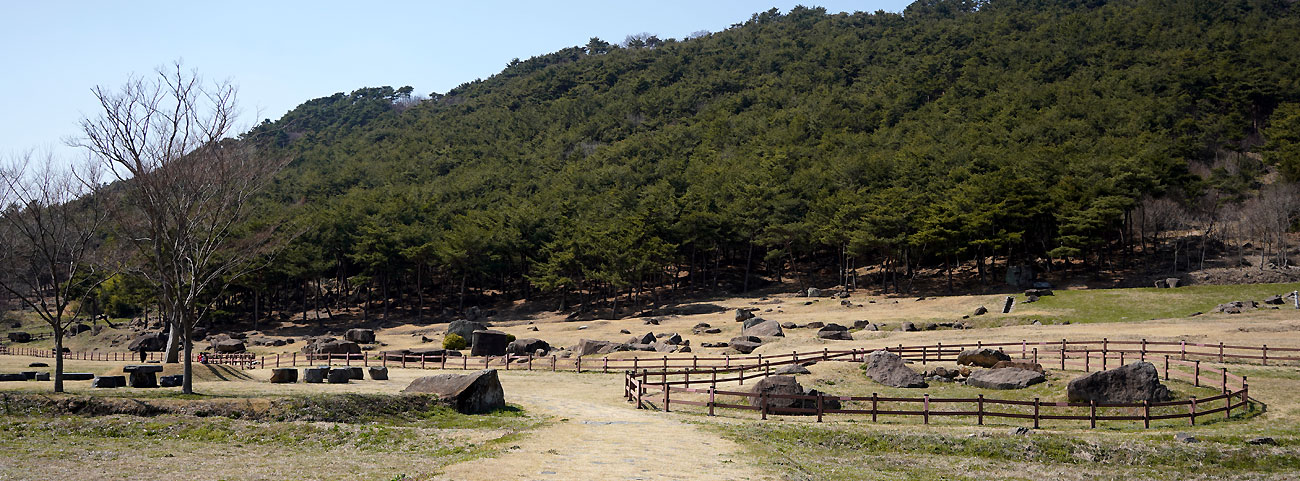
Gochang Dolmen Ruins/Gochang Dolmen Museum
This article introduces the Gochang Dolmen Site and Gochang Dolmen Museum in Gochang, Jeollabuk-do, South Korea. It includes information on the UNESCO World Cultural Heritage site, the history of the Bronze Age, and tourist information such as opening hours and admission fees. -
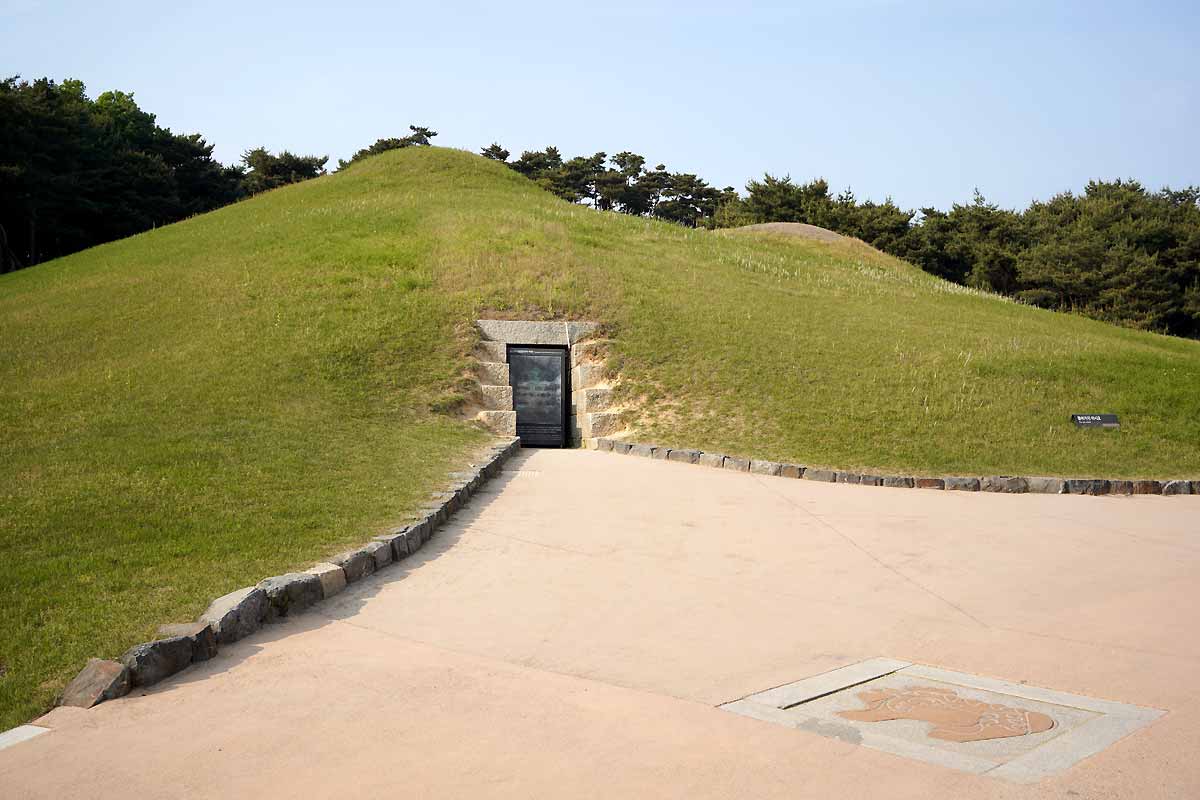
Songsan-ri Tombs (Tomb of King Muryeong)
This article introduces the Songsan-ri Tombs and the Tomb of King Muryeong in Gongju, South Korea. It explains the highlights of these Baekje royal tombs, discovered in 1971, the brick tombs, the model exhibition hall, their historical connections with Japan, and tourist information such as opening hours and admission fees. -
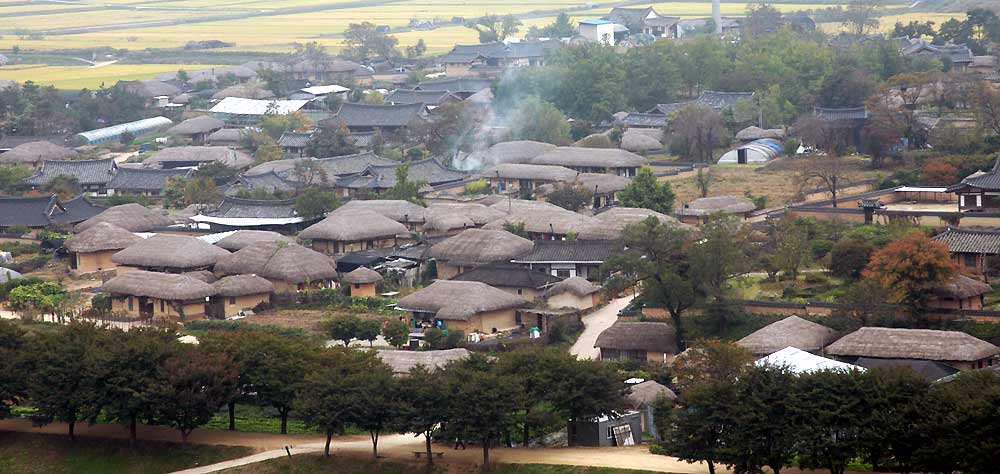
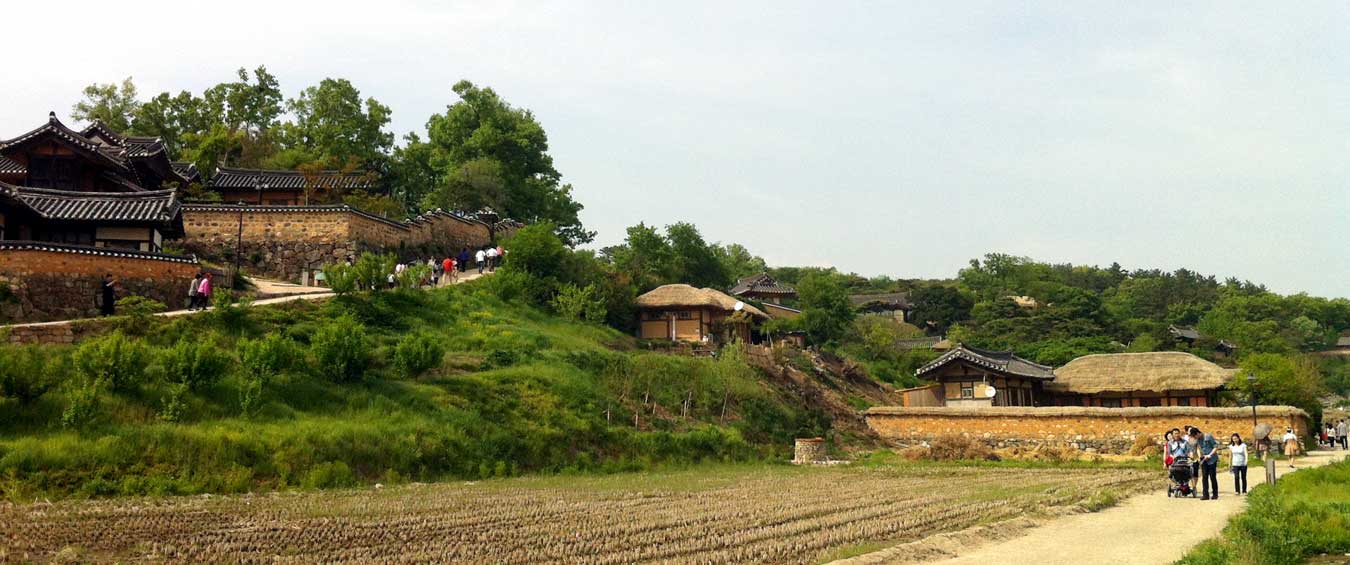
Andong Hahoe Village
Hahoe Village in Andong, South Korea, is a traditional settlement registered as a UNESCO World Cultural Heritage site. It showcases Korean history and culture, including traditional Korean houses with tiled and thatched roofs, Hahoe Byeolsin Guttall Nori (a type of Korean music), and the breathtaking views of Buyongdae Park. -
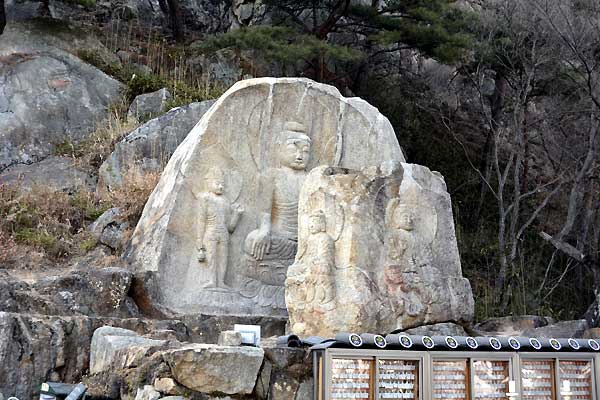
Gyeongju's Chilbulam and Shinseonam | Silla Buddhist Art Carved into the Cliffs of Namsan Mountain
This guide introduces Chilbulam and Shinseonam in Namsan, Gyeongju, in Japanese. It explains the highlights of the Chilbulam cliff carvings (a national treasure) and the Shinseonam cliff carving of a half-seated Bodhisattva, as well as access information and precautions for hiking. -
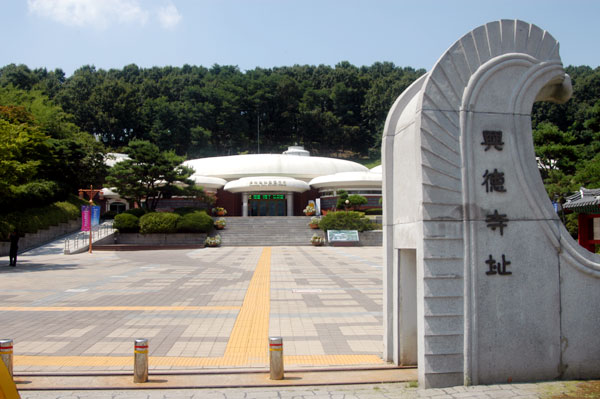
Cheongju Early Printing Museum
This article introduces the Cheongju Museum of Ancient Printing in Cheongju, South Korea. It is a tourist spot where you can learn about Cheongju's printing culture, including the world's oldest metal movable type book, "Jikji," the printing culture of the Goryeo dynasty, and the site of Heungdeoksa Temple. -

Hwangnyongsa Temple Site | The largest temple site of the Silla Kingdom, located within the World Heritage Site "Gyeongju Historic Areas"
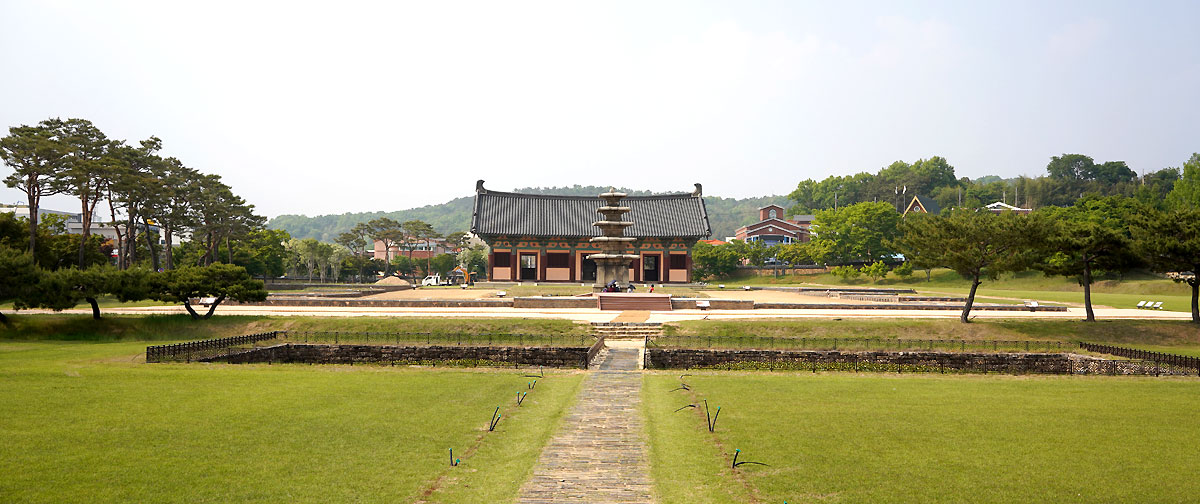
Hwangnyongsa Temple Site is part of the Gyeongju World Heritage Site, "Gyeongju Historic Areas." This article introduces the history of Hwangnyongsa Temple, which was the largest temple in the Silla Kingdom, the remains of the nine-story wooden pagoda, excavated ruins, and other points of interest such as the Hwangnyongsa History and Culture Museum. -

Haeinsa Temple
Haeinsa Temple, located in Hapcheon, Gyeongsangnam-do, is a representative ancient temple of Korea, known for its Goryeo Tripitaka Koreana and the Tripitaka Panjeon (Goryeo Buddhist Hall). This article introduces the temple's attractions, including its World Heritage Site, the natural beauty of Gayasan Mountain, and the Seonbo Museum. -
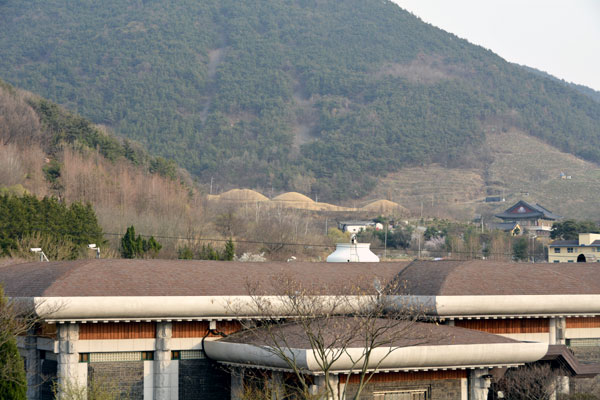
Changnyeong Museum, Changnyeong Gyo-dong and Songhyeon-dong Tumuli
This guide introduces the Changnyeong Museum, Changnyeong Gyo-dong, and Songhyeon-dong Tombs. It's a Changnyeong sightseeing guide that takes you to the constituent sites of the UNESCO World Heritage Site "Gaya Tombs" while you learn about the history of ancient Gaya and the unearthed artifacts. -
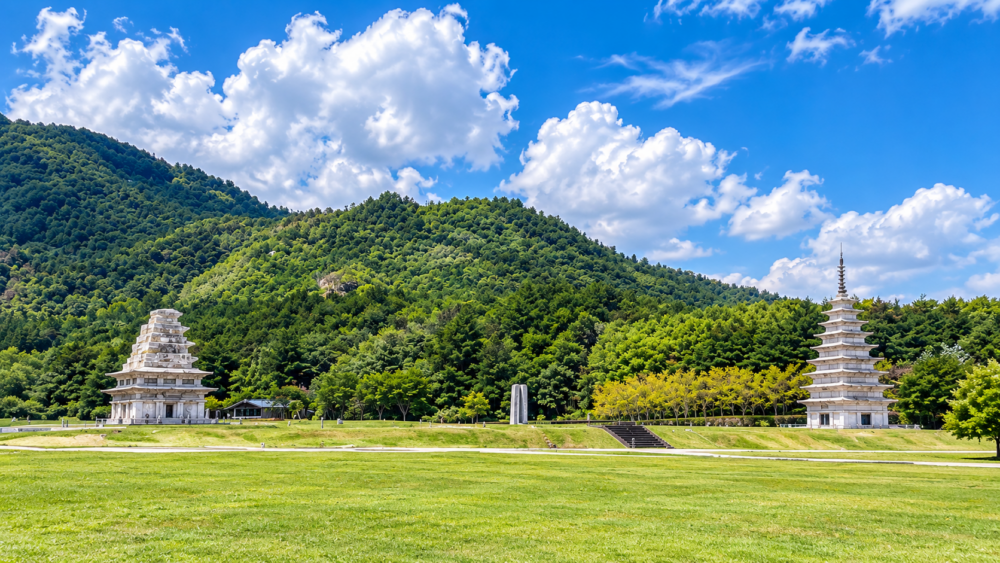
National Iksan Museum and Iksan Mireuksa Temple Site | One of Baekje's Largest Temples and a World Heritage Site
This article introduces the Mireuksa Temple Site and the Iksan National Museum in Iksan, South Korea. It provides a detailed look at the history of the World Heritage Site "Historic Sites of Baekje," including the legend of its founding during the reign of King Mu of Baekje, the 639 AD reliquary welcoming ceremony, the restoration of the stone pagoda, the inscribed roof tiles from the Unified Silla period, and the Wanggung-ri ruins. -
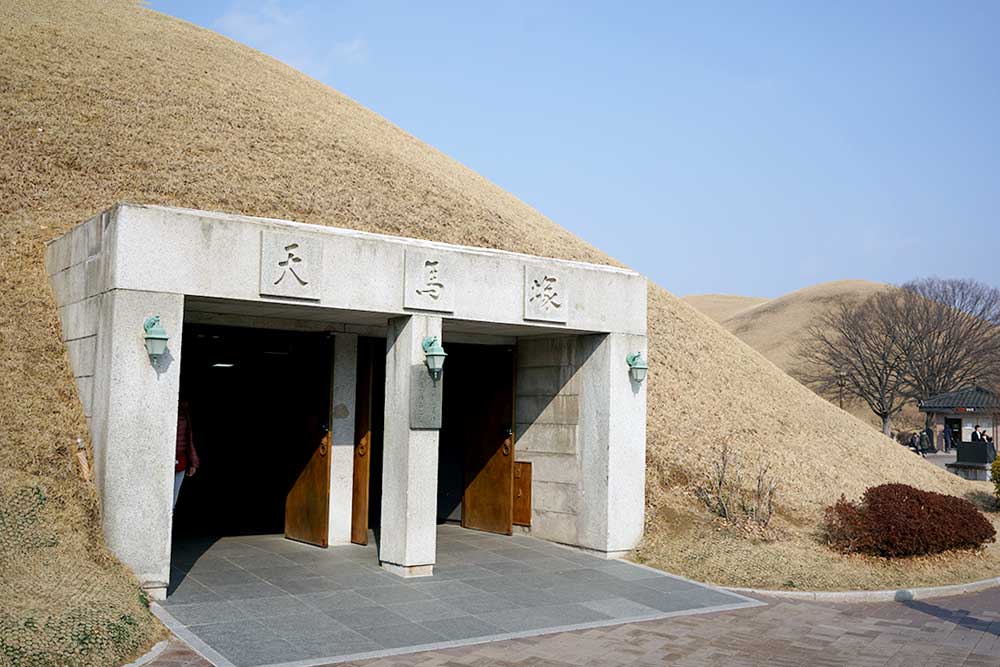
Cheonmachong Tomb, Gyeongju
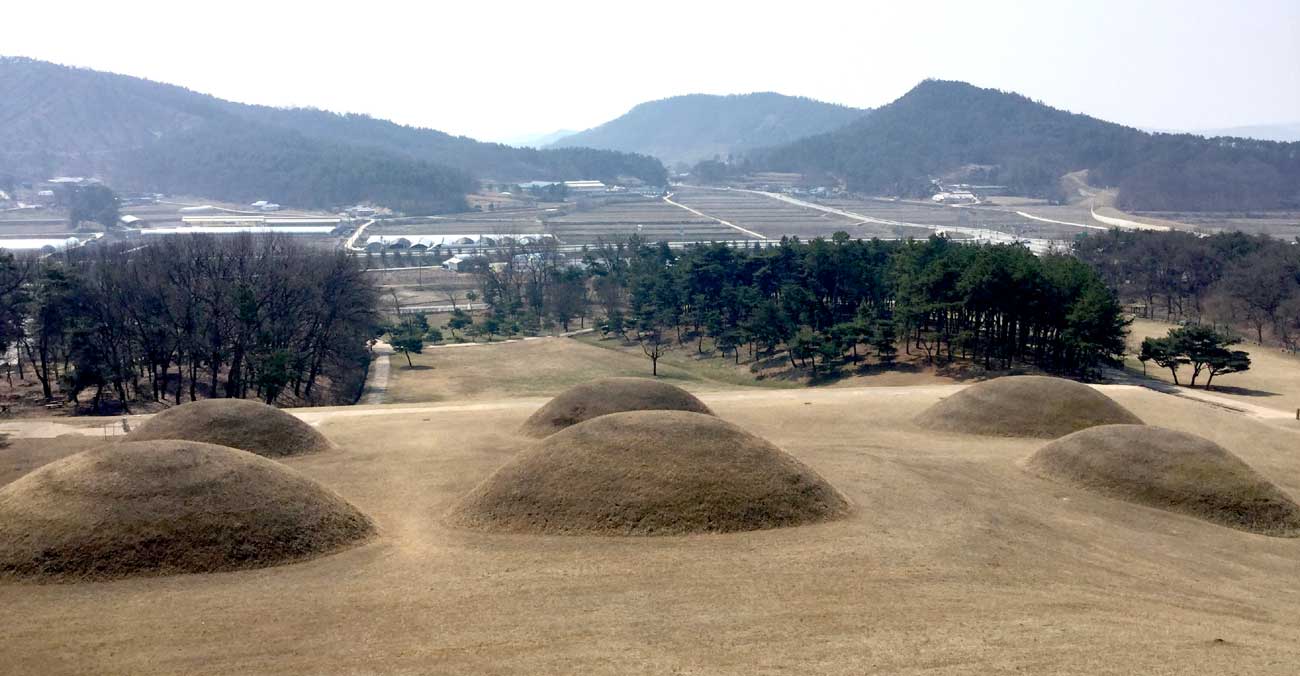
This article provides a detailed introduction to Cheonmachong (천마총), located in Daereungwon, Gyeongju. It explains the 1973 excavation, the structure of the stone-piled wooden chamber tomb, the gold crown and 11,526 burial goods, the painting of a celestial horse and horse cushions made of birch and bamboo, and the international exchanges that took place through Goguryeo and the Silk Road. -

Seokguram Grotto, Gyeongju | A World Heritage Site: Silla Buddhist Art and Principal Buddha Image
Seokguram Grotto, a UNESCO World Heritage Site and a representative landmark of Gyeongju, is a must-see. This guide introduces the man-made caves built during the Unified Silla period, the beautiful principal Buddha statue, and the natural beauty of Tohamsan Mountain. It's a popular Gyeongju tourist spot that you'll want to visit along with Bulguksa Temple. -
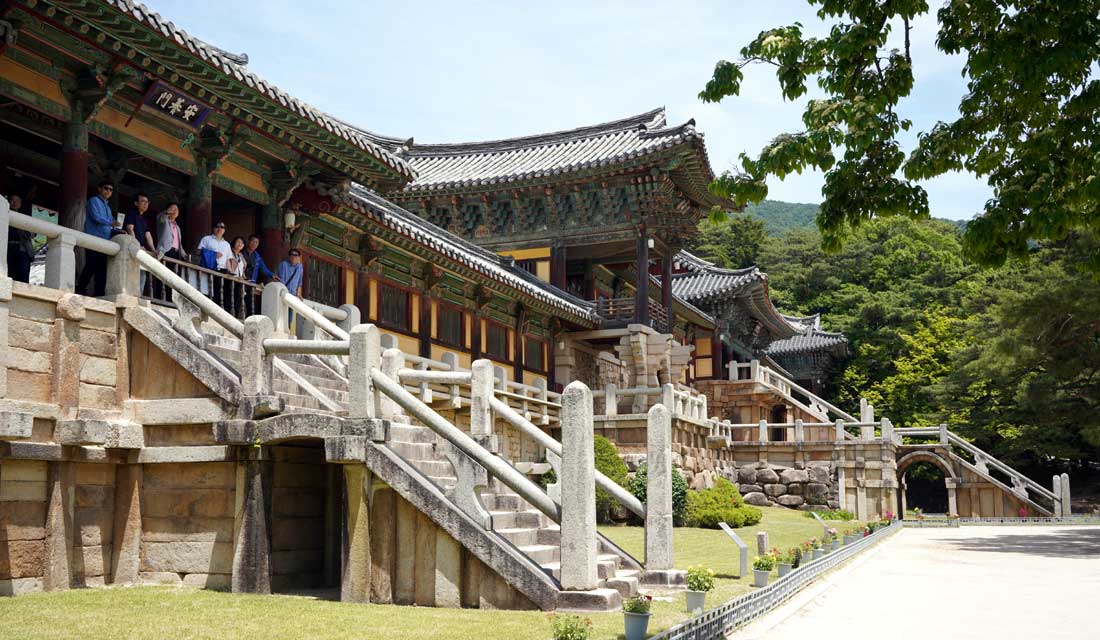
Bulguksa Temple, Gyeongju
This article provides a detailed introduction to Bulguksa Temple, a UNESCO World Heritage Site and a representative landmark of Gyeongju. Visitors can enjoy the Buddhist architecture and culture of the Unified Silla period, including Dabotap Pagoda, Seokgatap Pagoda, Daeungjeon Hall, and Cheongun Bridge. It's a popular Gyeongju tourist spot that should be visited along with Seokguram Grotto. -
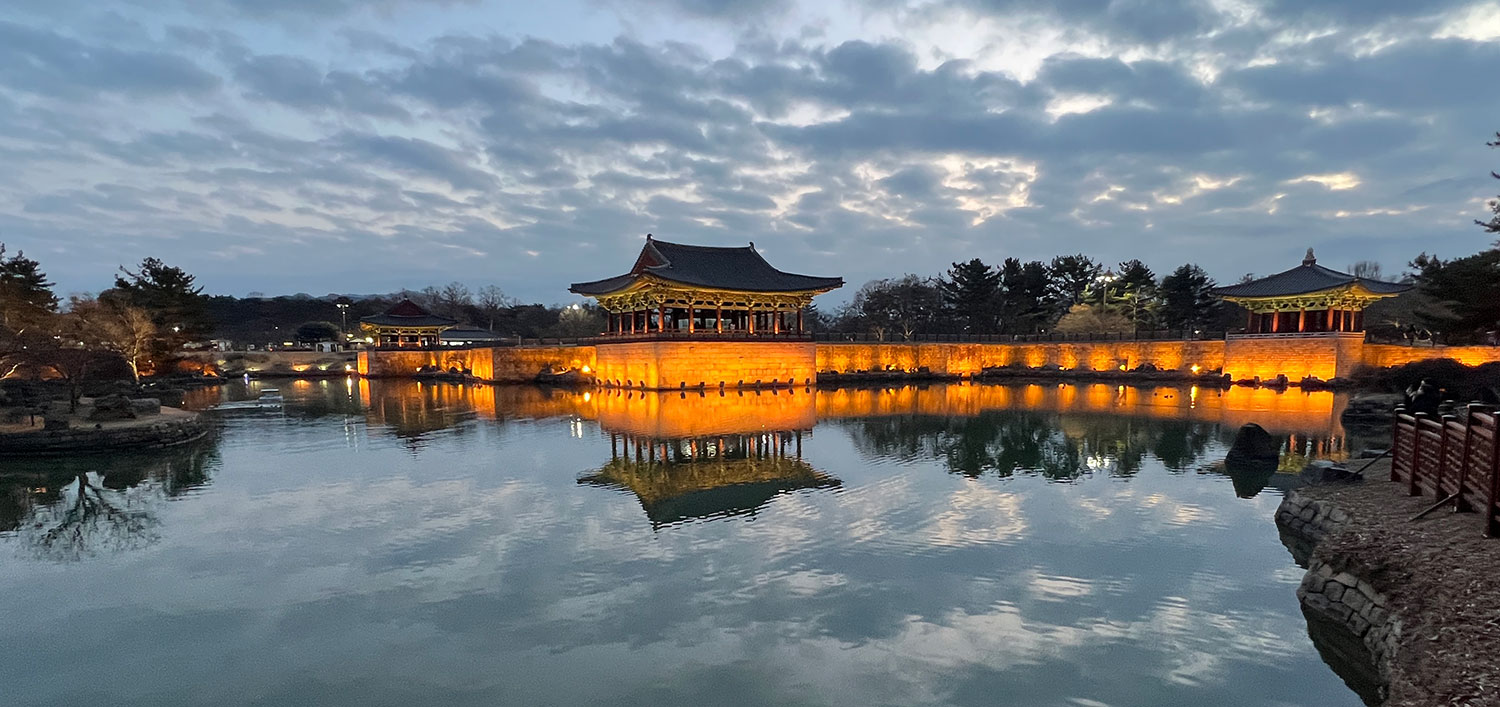
Gyeongju, Donggung Palace and Wolji Pond
Donggung Palace and Wolji Pond (formerly Anapji Pond) are representative tourist attractions of Gyeongju. This article provides a detailed introduction to the ruins of the Silla-era royal palace, the beautiful Wolji Pond, and the fantastical night view of the illuminated Imhaejeon Palace. -

Daeseong-dong Tomb Group and Daeseong-dong Tomb Museum
This article introduces the Daeseong-dong Tombs and the Daeseong-dong Tombs Museum in Gimhae. These are part of the World Heritage Site "Gaya Tombs," where you can learn about the history of ancient Gaya and view excavated artifacts. Basic information such as opening hours, closing days, admission fees, and access is also included.
12