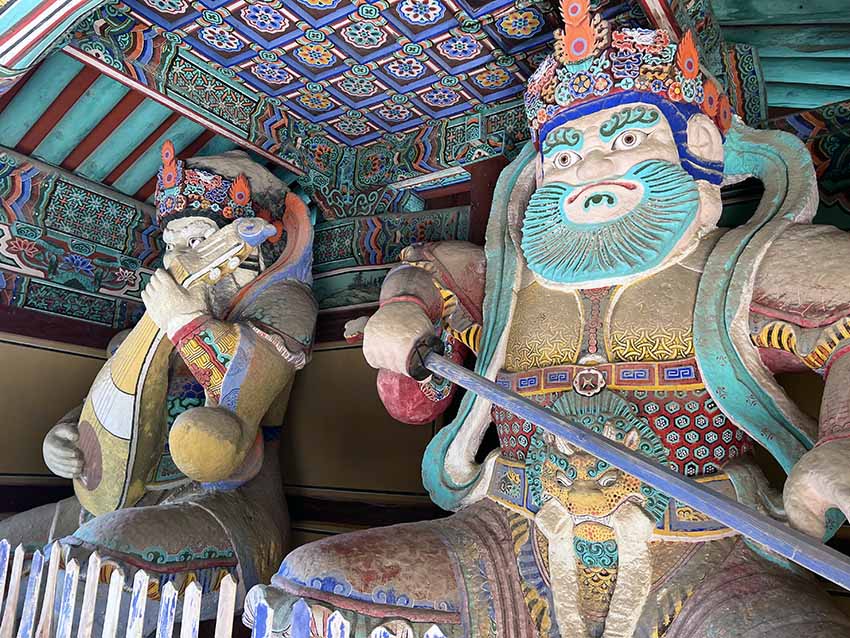
Buddhist culture passed down for over a thousand years in the mountains of Korea
Numerous Buddhist temples with long histories remain in the mountainous regions of South Korea. Seven of these mountain temples were designated as components of the UNESCO World Heritage Site "Mountain Temples, Korean Mountain Monasteries (산사, 한국의 산지승원)" in 2018.
This World Heritage Site is unique not only for preserving ancient architecture, but also because it is a "living temple" where monks continue their training and religious activities.
The seven mountain temples were established between the 7th and 9th centuries, and they form a unique space where the main hall, towers, lecture halls, and monks' quarters surround a central courtyard.
Seven mountain temples that make up a World Heritage Site
"Mountain temples, or mountain monasteries of Korea," consist of seven temples located primarily in southern Korea.
| Temple | Address | Korean |
| Tongdosa Temple | Yangsan (양산) | Toon |
| Ushiji Temple | Yeongju | Buyeo Seoksa Temple |
| Bongjeongsa Temple | Andong (안동) | Safekeeping |
| Hojuji Temple | reward (보은) | Business |
| Magani Temple | Gongju (공주) | 마곡사 |
| Senganji Temple | Suncheon (순천) | Sun Yat-San |
| Daikoji Temple | Hainan (해남) | Confession |
Each temple has its own unique history, architecture, and cultural assets, and has functioned as a place that supports the training and daily life of monks.
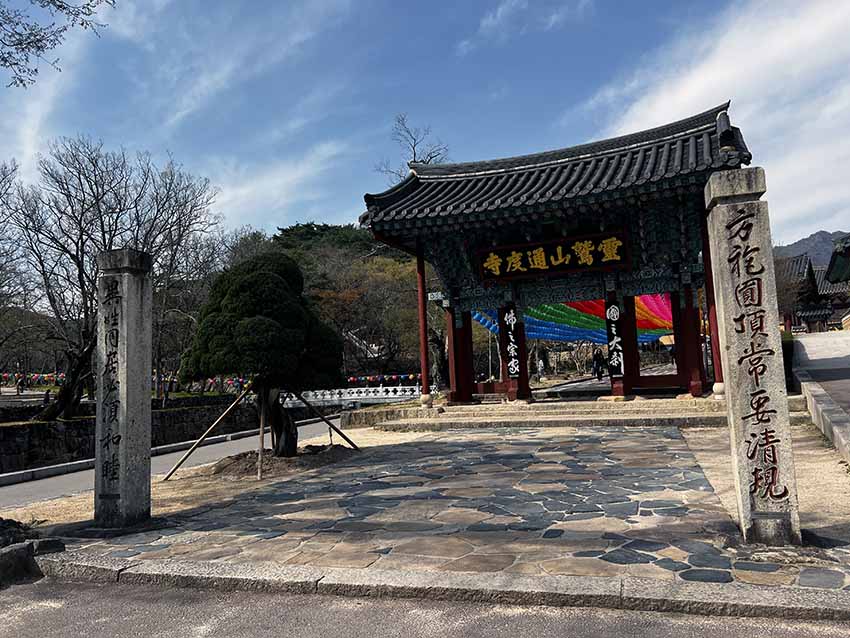
Tongdosa Temple | A World Heritage Site Easily Accessible from Busan
Tongdosa Temple
Tongdosa Temple, located in Yangsan, Gyeongsangnam-do, is a World Heritage Site that is relatively easy to visit from Busan.
This is one of the leading temples representing Korean Buddhism, and is known for its faith associated with the Buddha's relics. The spacious grounds contain historical buildings and cultural artifacts, allowing visitors to walk around and explore the traditional temple environment.
If you're coming from Busan and want to visit a mountain temple, this one is easy to incorporate into your travel itinerary.
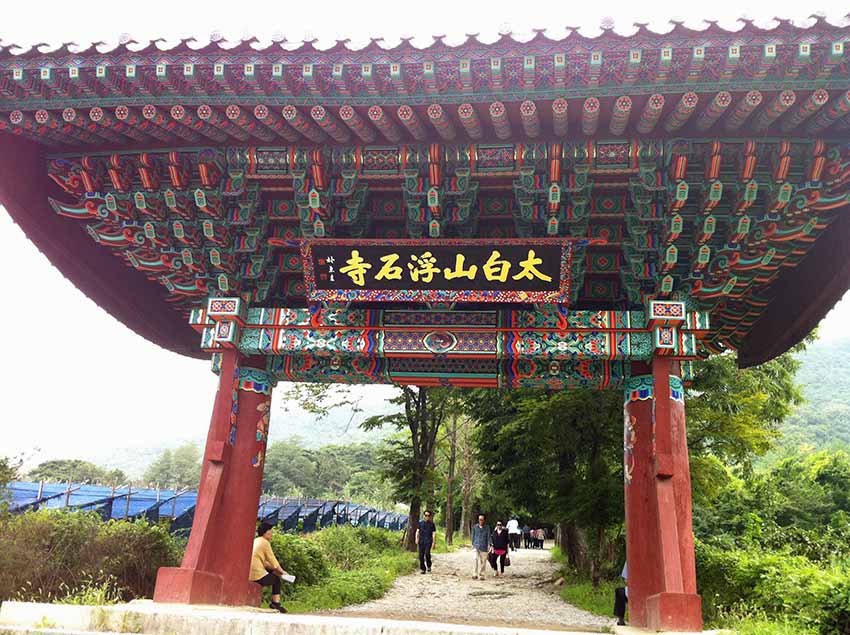
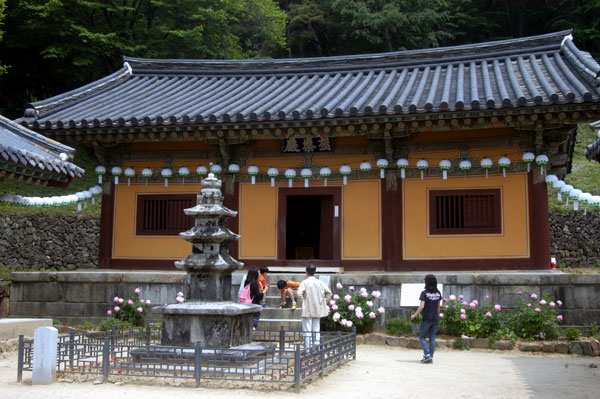
Buseoksa Temple | An ancient temple spread across a mountainside
Buseoksa Temple (부석사)
Buseoksa Temple, located in Yeongju, Gyeongsangbuk-do, is a temple whose buildings are arranged along the slope of a mountain.
The particularly famous Muryangsujeon Hall is one of Korea's representative wooden buildings. As you proceed through the temple grounds from the main gate, you can feel the building and the surrounding mountain scenery becoming one.
Bongjeongsa Temple | A historic temple remaining in Andong
Bongjeongsa Temple
Located in Andong, Bongjeongsa Temple is an ancient temple nestled quietly in the mountains.
The temple grounds retain traditional Korean wooden architecture, preserving the historical landscape of a mountain temple. It can also be visited in conjunction with other historical and cultural heritage sites in Andong, such as Hahoe Village (하회마을).
Hōjūji Temple | Mountain Worship and Large-Scale Buddhist Architecture
Beopjusa Temple
Beopjusa Temple in Boeun, Chungcheongbuk-do, is a temple surrounded by Soknisan Mountain.
The temple grounds contain large Buddhist buildings and stone cultural artifacts, allowing visitors to experience the history of this mountain temple.
Magoksa Temple | An ancient temple nestled in the mountains of Gongju
Magoksa Temple (마곡사)
Magoksa Temple, located in Gongju, Chungcheongnam-do, is situated in the mountains of Taehwasan.
Temples are built along valleys and mountain forests, offering a tranquil mountain temple atmosphere. They are also suitable for trips combined with other sites in the "Baekje Historic Areas" World Heritage Site, such as Gongsanseong Fortress and the Songsan-ri Tombs.
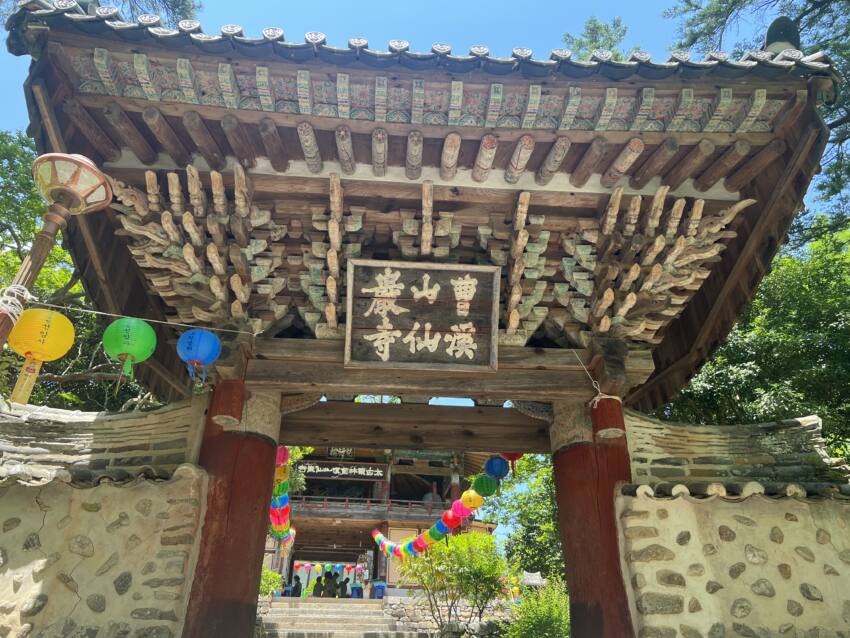
Seonamsa Temple | A temple in harmony with the nature of Suncheon
Sengansa Temple (선암사)
Seonamsa Temple, located in Suncheon, Jeollanam-do, is situated within Jogyesan Mountain.
At the end of the mountain path, the temple grounds retain traditional buildings, offering a landscape that blends seamlessly with the surrounding forest and valley.
Daikoji Temple | A mountain temple on Mt. Torin in Hainan
Daeheungsa Temple
Daeheungsa Temple, located in Haenam, Jeollanam-do, is a temple situated in the mountains of Duryunsan.
The spacious temple grounds, surrounded by mountains, contain Buddhist architecture and cultural artifacts. It can be visited in conjunction with exploring Hainan's natural beauty and coastal attractions.
The "madang" space common to mountain temples in Korea
Korean mountain temples have open courtyards called "madang (마당)".
The main hall, towers, lecture halls, and monks' quarters are arranged around a central courtyard, forming a single temple space that includes both the buildings and the surrounding terrain.
This configuration indicates that mountain temples have evolved beyond being mere places of worship, becoming places where monks practice, learn, and live.
Not an "old temple," but a "temple that is still alive today."
Religious activities, including Buddhist faith, practice, and education, continue at these seven temples to this day.
Because the temple has maintained its function despite experiencing dynastic changes and wars, visitors can experience not only historical architecture but also Korean Buddhist culture that continues to this day.
If you're visiting from Busan, go to Tongdosa Temple.
If you're visiting from Busan, Tongdosa Temple in Yangsan is a good option. It's easily accessible and allows you to enjoy both a traditional temple and mountain scenery.
You could also consider a route that combines sightseeing in Gyeongju with a trip to Tongdosa Temple in Busan, followed by a journey to Gyeongju.
Since the other six temples are located in different areas, it's better to plan your visit according to the areas you plan to visit, rather than trying to visit all seven temples at once.
Summary
"Mountain Temples, Mountain Monasteries of Korea (산사, 한국의 산지승원)" is a Korean Buddhist cultural heritage site registered in 2018.
Tongdosa, Buseoksa, Bongjeongsa, Beopjusa, Magoksa, Seonamsa, and Daeheungsa each possess their own distinct histories and cultural assets, yet they continue to preserve the mountain Buddhist culture of Korea to this day.
When traveling from Busan to Tongdosa Temple, or to Gyeongju, Andong, or Gongju, it's a good idea to include the mountain temples in each region in your itinerary.
Yamadera, Korean mountain monasteries (World Heritage Site)