
Gyeongju City– Tag –
-
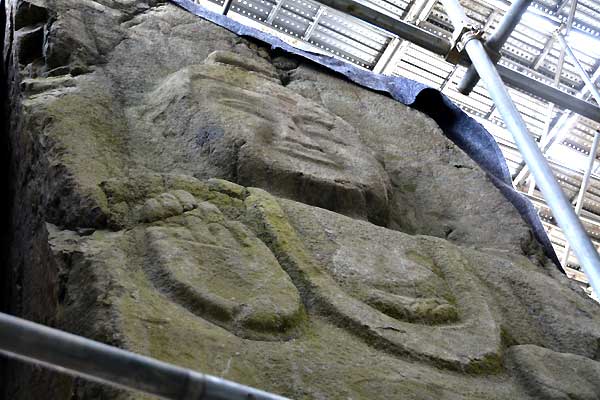
The rock-carved Buddha statues at Dansekisan Shinsensa Temple
This article introduces the Sinseonsa Temple rock-carved Buddha statues located on Danseoksan Mountain in Gyeongju. It explains the historical highlights, including 10 Buddha statues from the Silla period, a standing Buddha statue approximately 8.2 meters tall, and legends related to General Kim Yu-sin. -
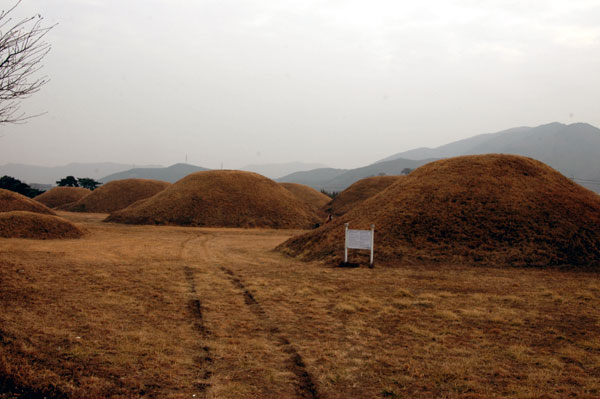
Gyeongju's Geumcheok-ri Tombs | Legends surrounding Silla-era tombs and the "golden ruler"
This article introduces the Geumcheok-ri Tombs in Gyeongju, South Korea. It provides an easy-to-understand explanation of the Silla-era stone-built wooden tombs, the legends surrounding the golden ruler, and the historical background. -
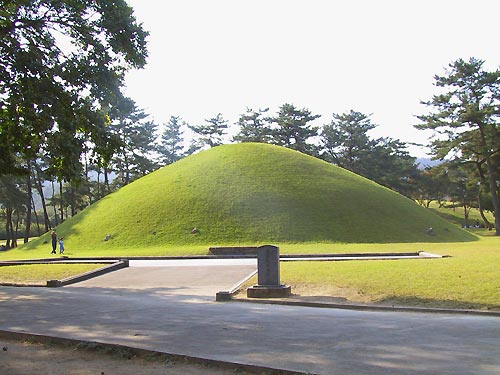
Gyeongju - Tomb of King Taejong Muyeol | The 29th King of Silla and the National Treasure Tombstone
This article introduces the tomb of King Taejong Muyeol in Gyeongju, South Korea. It explains the history of Kim Chun-chu, the 29th king of Silla, the tomb stele designated as National Treasure No. 25, the Seoak-dong tomb complex, and other points of interest, as well as access information. -
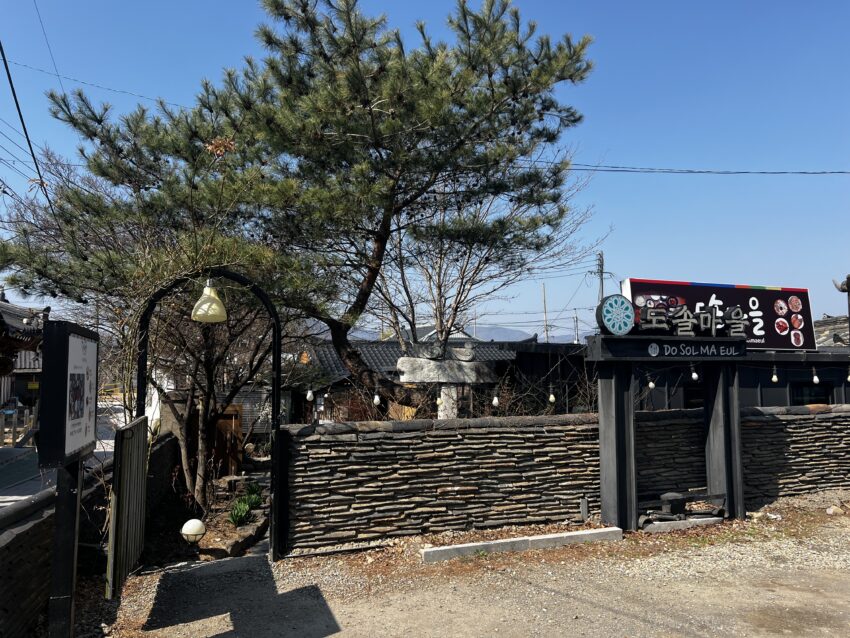
Gyeongju and Tosol Village
Tosolmaul is a Korean restaurant located near Daereungwon in Gyeongju. Housed in a traditional Korean house (hanok) with a history of approximately 140 years, it offers traditional Korean home-style cooking and set meals. It's a recommended lunch spot for those sightseeing in Gyeongju. -
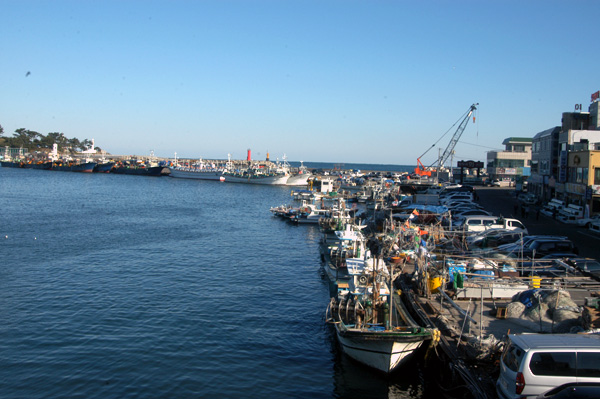
Gyeongju, Gampo Port | An east coast fishing port where you can enjoy fresh seafood dishes and the scenery of a port town.
Gampo Port is located on the east coast of Gyeongju. We'll introduce you to the sights and access to this port town, including fresh sashimi, crab dishes, pufferfish dishes, Gampo Marine Park, and Songdae Lighthouse. -

Oksan Seowon | Gyeongju's Confucian Culture and Traditional Architecture, Registered as a World Heritage Site
Oksan Seowon is a historical academy located in the Angang area of Gyeongju City, Gyeongsangbuk-do, South Korea, that preserves the Confucian culture of the Joseon Dynasty. It was founded in 1572 by Lee Eon-jeok, a leading Confucian scholar of the Joseon Dynasty... -

Dongnakdang | A tranquil ancient house built by a Confucian scholar during the Joseon Dynasty
Dongnakdang in Gyeongju, South Korea, is a historical old house associated with the Confucian scholar Lee Eon-dik. We introduce a historical sightseeing experience where you can enjoy the traditional architecture in harmony with nature, the scenery of the valley pavilion, and the nearby Oksan Seowon Academy. -
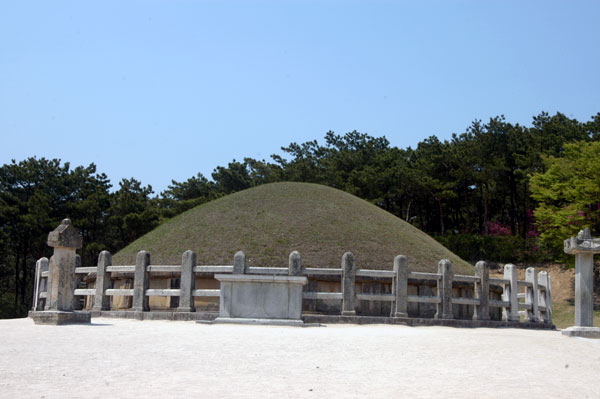
General Kim Yu-sin's Tomb
This article introduces the tomb of General Kim Yu-sin in Gyeongju, South Korea. It provides a clear explanation of the history of this renowned general who contributed to the unification of the Three Kingdoms of Silla, the twelve zodiac statues surrounding the tomb, points of interest, and access information. -
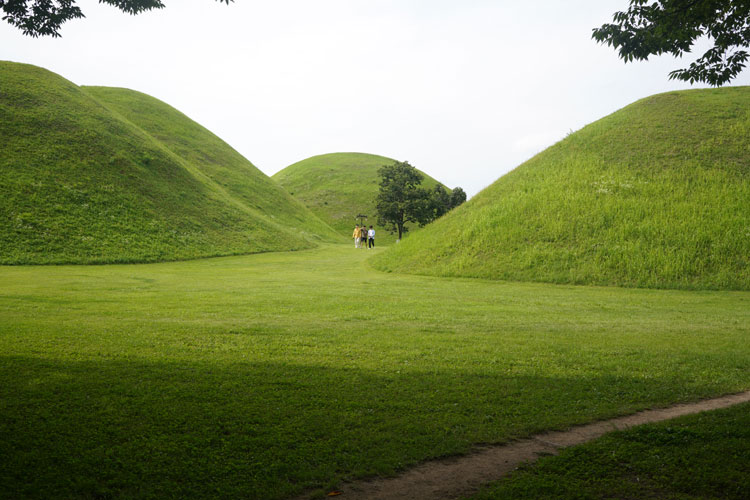
Gyeongju, Nodong-ri and Nosori Tombs | The Story of Tombs and Golden Crowns that Tell the History of Silla
This guide introduces the Nodong-ri and Noseo-ri tombs in Gyeongju in Japanese. It explains the history, highlights, and basic information of these tombs, including the massive Bonghwangdae, Geumgwanchong (where a golden crown was discovered), Seobongchong, and Hobochong tombs of the Silla Kingdom. -
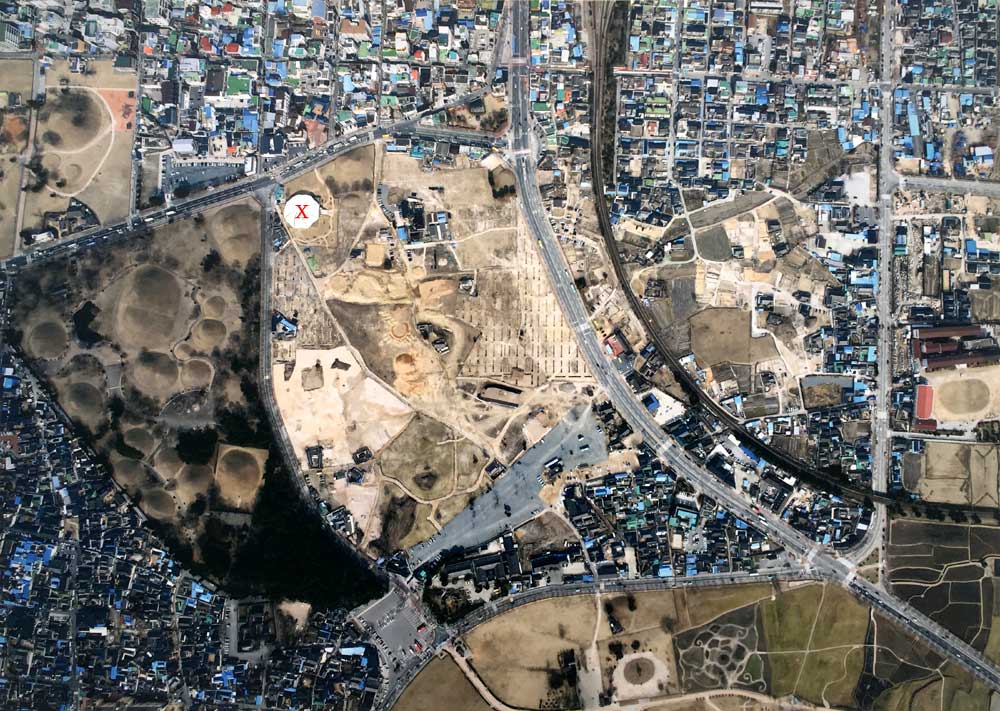
Gyeongju Cheoksam Archaeological Site Excavation Hall | Tomb No. 44, where a Silla princess rests, and 1500 years of history
Introducing the Cheoksam Archaeological Site Excavation Hall in Gyeongju. This is a place where you can learn about the history of Silla from 1500 years ago, including Tomb No. 44, which is believed to be the tomb of a Silla princess, horse trappings made with jewel beetle wings, and experiments on tomb construction. -
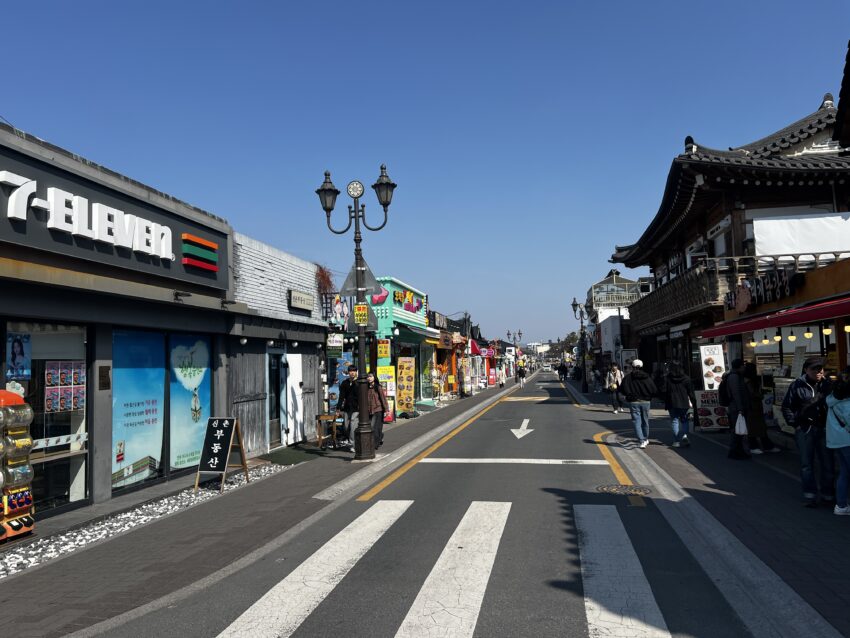
Gyeongju, Hwangnidan-gil
This article introduces Hwangnidan-gil, a popular tourist spot in Gyeongju. It covers traditional Korean house cafes, street food, souvenir shops, and other nearby attractions such as Daereungwon Tomb, Cheonmachong Tomb, Cheomseongdae Observatory, and Woljeonggyo Bridge. -

Gyeongju Samyeong Fugu Restaurant | A renowned fugu restaurant beloved by locals
Introducing Samyeong Pufferfish Restaurant in Gyeongju. This local restaurant offers unique Korean pufferfish dishes, such as clear pufferfish stew, spicy pufferfish stew, and spicy bean sprouts tossed in a special sauce. -
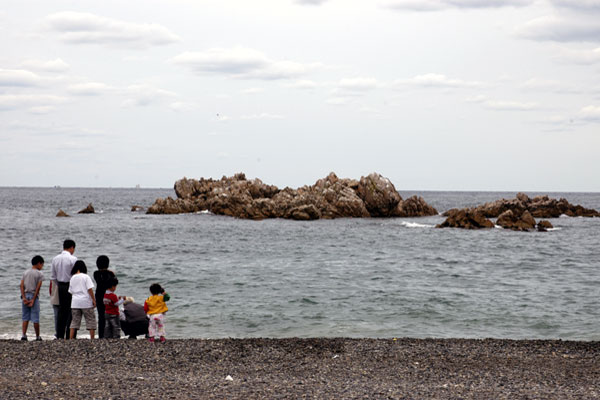
Gyeongju - King Munmu's Tomb (Sea Tombs)
The Tomb of King Munmu in Gyeongju is an underwater royal tomb of the Silla king located in the East Sea. We will introduce the history of King Munmu, who achieved the unification of the Three Kingdoms, the legend of him protecting the country as a dragon, and nearby attractions such as the site of Gam-eunsa Temple and Imi-dae Pavilion. -
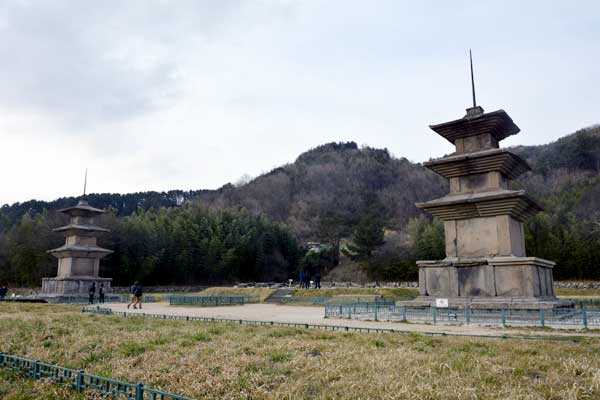
Gyeongju, Gam-eunsa Temple Site
The Gam-eunsa Temple Site in Gyeongju is the remains of a national temple built during the Unified Silla period. We will introduce historical spots on the east coast, including the national treasure East and West three-story stone pagodas, legends of King Munmu, and the nearby King Munmu's tomb and Imi-dae Pavilion. -
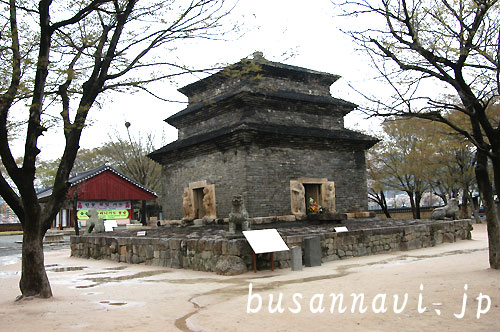
Gyeongju - Bunhwangsa Temple | An ancient temple that houses a national treasure, a replica brick pagoda, from the Silla period.
This article introduces Bunhwangsa Temple in Gyeongju. Founded during the reign of Queen Seondeok, this ancient temple boasts numerous attractions, including the national treasure Bunhwangsa Stone Pagoda, the Samryongbyeon-eok Well, and historical sites associated with the monk Wonhyo. -
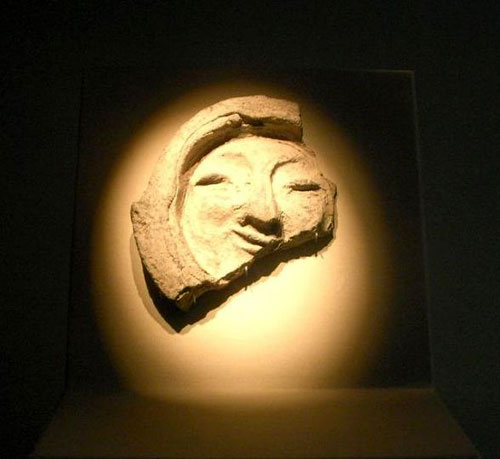
Heungnyunsa Temple Site, Gyeongju
Heungnyunsa Temple Site in Gyeongju is the site of an ancient Silla temple. Research suggesting that the site was founded during the reign of Queen Seondeok, based on roof tiles inscribed with the characters "Yeongmyosa Temple" that were excavated, is attracting attention. -

Donuwang (Donu King)
Introducing "Donuwang," a Korean barbecue restaurant located in Seonggyeon-dong, Gyeongju. Enjoy aged samgyeopsal, as well as ogyeopsal, moksal, gopchang, and more. Prices and basic information are also included. -
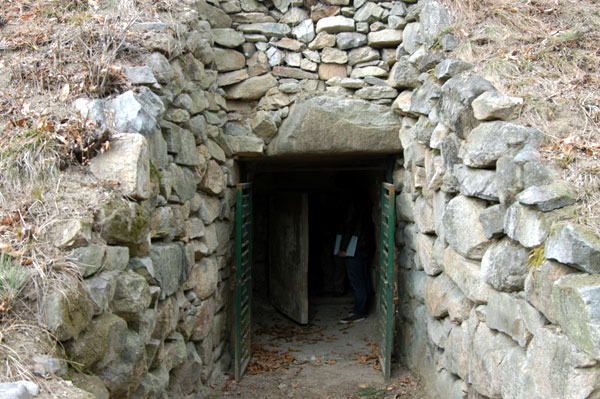
Gyeongju Jangsan Clay Figurine Mound
The Jangsan Clay Figurine Mound in Gyeongju is a horizontal-chambered stone tomb from the Unified Silla period, built in the mid-8th century. It is a historical site in western Gyeongju, known for the discovery of clay figurines and pottery. -

Hwangnyongsa Temple Site | The largest temple site of the Silla Kingdom, located within the World Heritage Site "Gyeongju Historic Areas"
Hwangnyongsa Temple Site is part of the Gyeongju World Heritage Site, "Gyeongju Historic Areas." This article introduces the history of Hwangnyongsa Temple, which was the largest temple in the Silla Kingdom, the remains of the nine-story wooden pagoda, excavated ruins, and other points of interest such as the Hwangnyongsa History and Culture Museum. -
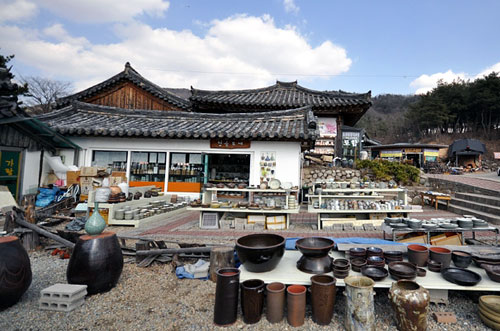
Gyeongju Folk Craft Village
Why not experience traditional Korean crafts and the skills of artisans at Gyeongju Folk Craft Village? It's a popular tourist spot where you can enjoy workshops specializing in ceramics, woodworking, metalwork, and more, along with Bulguksa Temple, Seokguram Grotto, and the Silla Museum of History and Science.